


Could Your Symptoms Be Hidradenitis Suppurativa?
January 30, 2026
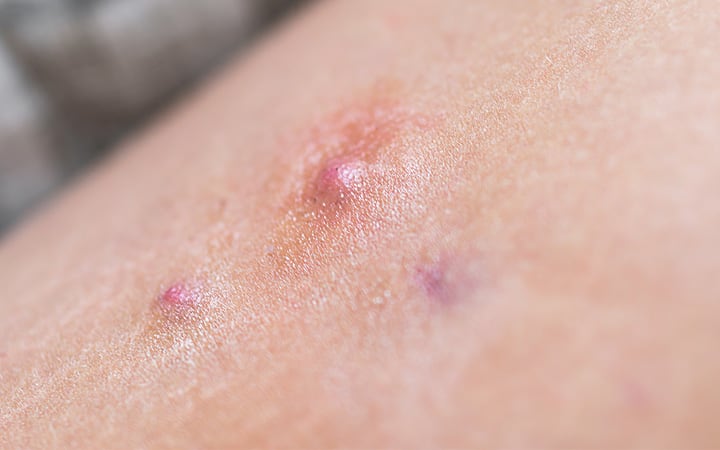
Hidradenitis suppurativa (HS) affects more than 2.5 million people in the U.S. Living with this skin condition can be painful, frustrating and even isolating.
“Hidradenitis suppurativa is a very complex inflammatory disease of the immune system,” says Neil Korman, MD, PhD, a dermatologist and Director of the Regional Center for Immunobullous Disease at University Hospitals. “It’s probably the most difficult disease that we, as dermatologists, take care of.”
What Is Hidradenitis Suppurativa?
Also known as acne inversa, HS is a chronic disease that causes painful lumps and boils, mostly in areas where skin rubs together and where there tend to be more oil and sweat glands, including:
- Armpits
- On, between or underneath butt cheeks
- Groin
- Inner thighs
- Underside of the breasts
- Nape of the neck
The lumps can turn into abscesses. They can also tunnel, which is when pathways form between them, says Dr. Korman. “They appear in long, linear spots under the skin, where one lump or abscess is connecting to another one,” he says. Tunnels can stay deep inside the skin or rise to the surface and rupture.
What Causes Hidradenitis Suppurativa?
Researchers don’t yet know exactly what causes HS, but possible factors include:
- Genes you’ve inherited
- Factors in the environment that can affect genes
- Too much inflammation
Women and people of color, especially Black women, have a higher risk of developing HS. “It’s most common in women of childbearing age, in their 20s, 30s and 40s,” says Dr. Korman. Other risk factors may include:
- Family history of HS
- Smoking
- Certain medical problems (diabetes, gut problems, obesity)
HS is not contagious and the condition is not caused by any kind of infection or unclean skin.
Common Symptoms
Symptoms of HS tend to develop after puberty. For some they are mild, but they can be very painful and uncomfortable for many people living with the condition.
Symptoms vary from person to person. They can change over time, or flare up periodically. Women may experience flares right before their period, triggered by fluctuating hormones. HS symptoms can also become quite severe, especially if left untreated or if the treatment you’ve been prescribed isn’t working well for you.
Common HS symptoms include:
- Skin discoloration, such as reddening or darkening
- Swelling, lumps, nodules, abscesses or tunnels
- Pain, itching or tugging sensations
- Ruptured sores, including leaking or draining of pus and blood
- Odor (from the pus)
- Scarring
- Anxiety, feelings of depression, frustration and anger
- Social isolation
“When the disease progresses, the nodules can become enormously painful,” says Dr. Korman. “People start getting big, oily abscesses and tunnels.” When abscesses and tunnels drain, they emit a strong odor, he says. “It’s difficult to control, so a lot of people avoid going out in public when their condition is flaring up.”
Diagnosing Hidradenitis Suppurativa
HS is difficult to diagnose, especially for healthcare providers who aren’t dermatologists, says Dr. Korman. There are no tests that can confirm you have HS. It can look a lot like folliculitis (inflamed or infected hair follicles) at first, or even pimples or acne. Dr. Korman points out that if someone gets to the stage of abscesses and goes to the emergency room, they’re more likely to get diagnosed with an infection, rather than HS.
If you think you might have HS, it’s important to see a dermatologist. Their specialized training equips them to tell the difference between HS and other skin conditions and recommend treatments that are more likely to be effective. Diagnosing HS early can help control inflammation and prevent symptoms and flares from getting worse.
A diagnosis is typically based on:
- Skin appearance
- Symptoms
- Medical history
How to Treat Hidradenitis Suppurativa
There’s no cure for HS and there is no single treatment that works for everyone, but breakthroughs in research have led to a better understanding of the disease and advances in treatment.
Treatment options may include:
- Skin care to reduce irritation (antibacterial wash, gentle antiperspirant)
- Wound care (dressings, antiseptic wash)
- Medications (retinoids, hormonal therapies, biologics, steroids, antibiotics)
- Procedures (laser treatments for boils or hair removal, deroofing to manage tunnels, Botox to reduce sweating)
- Pain management (pain medications, ice packs, warm compresses, lidocaine, acupuncture, mind-body techniques)
- Lifestyle changes (quitting smoking, exercising, losing weight, dietary changes, stress reduction, clothing that reduces friction and sweating)
Healthy lifestyle modifications are always encouraged, says Dr. Korman. “But the reality is that a lot of those changes can be incredibly hard to make.” In particular, for HS patients, any kind of movement (even walking) can cause physical discomfort or severe pain. Buying healthy food and new clothes may also be out of reach for some people.
“We usually start with topicals because if you catch HS early, then topicals can be of some value,” says Dr. Korman. “I try, when I can, to treat HS very aggressively from the start and get patients on the best treatment regimen possible.”
There are three biologic drugs that are currently FDA-approved for HS:
- Adalimumab (Humira)
- Secukinumab (Cosentyx)
- Bimekizumab (Bimzelx)
Dr. Korman says that treatment progress with the current biologics has been significant. There is another biologic called Infliximab (Remicade) that’s not FDA-approved for HS, but that he prefers to prescribe off-label when possible. “The reason that Remicade works so well is because it's dosed based on weight, and many HS patients are also obese,” he says. “Milligram dosages per kilogram can be higher with Remicade, so we can start dosing every eight weeks, and then shorten the intervals.”
Looking Ahead
“There are many new drugs being investigated,” says Dr. Korman. “The hope is that one or more of these drugs will make meaningful inroads into the treatment of HS.”
Dr. Korman is leading a study at University Hospitals to evaluate if brensocatib (Brinsupri) is an effective treatment option for people with moderate to severe HS.
Weight loss drugs may also offer some benefits to HS patients, says Dr. Korman. A semaglutide (like Ozempic or Wegovy) or tirzepatide (like Zepbound or Mounjaro) can help improve metabolic and cardiovascular health, which many people with HS also struggle with. Dr. Korman remains hopeful, but says more studies are still needed to understand the potential benefits of weight loss drugs for HS.
“Even the best treatments available don’t do enough yet,” says Dr. Korman. “But treatments are getting better and better, and with so many new drugs being studied, it bodes well for the chances of discovering some excellent options for people with HS.”
Related Links
University Hospitals dermatology, dermatopathology and female sexual health specialists treat a wide range of skin conditions and diseases, including hidradenitis suppurativa (HS), and provide compassionate, individualized care for people with HS and other conditions that affect the skin.