


How GLP-1 Drugs Can Affect Fertility and Birth Control
December 08, 2025
 University Hospitals Rainbow Babies & Children'sExperts in Children's Health
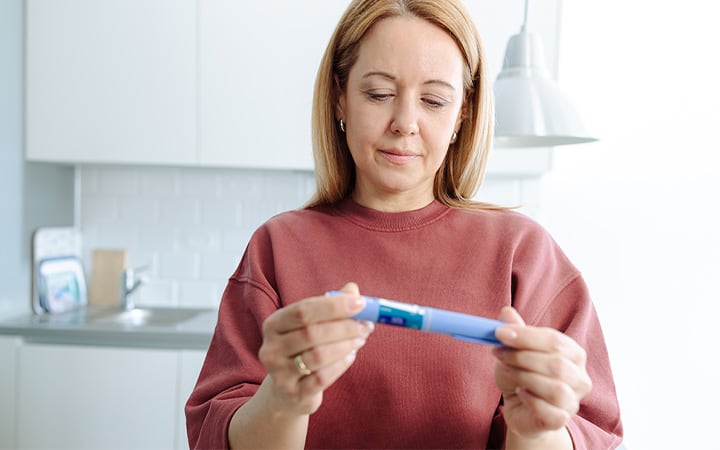
You may have heard stories of surprise “Ozempic babies” that occur after starting weight loss drugs. For some women, GLP-1s can boost fertility by improving overall health. The drugs can also reduce the effectiveness of some forms of birth control, making unplanned pregnancies more likely.
Adam Evans, MD, a reproductive endocrinology and infertility specialist at University Hospitals, shares more about these possibilities to help people make informed, confident decisions about their fertility plans – and how they may intersect with their weight loss goals.
Opening the Door to Ovulation
Despite the buzz, GLP-1 medications do not lead to pregnancy directly, Dr. Evans explains, though their weight loss benefits can indirectly improve fertility.
“Losing 5 to10 percent or more of body weight can help some women who aren’t ovulating regularly achieve normal cycles and ovulation,” he says. This is especially true for some women with polyendocrine metabolic ovarian syndrome (PMOS), a condition marked by irregular periods or absent ovulation. Once a woman’s cycle is regular, intercourse may lead to pregnancy, creating the impression that the medication itself increased fertility. However, it’s often a result of the metabolic and endocrinologic changes that go along with weight loss.
Weight loss drugs can provide other health benefits for women with PMOS. By decreasing insulin resistance and reducing body fat, they can lower overall metabolic and cardiovascular risk. They can also reduce levels of hormones like testosterone in the blood, which can relieve common PMOS symptoms such as excess hair growth or acne.
A Bridge to Fertility Treatment
Many women using GLP-1 drugs are thinking ahead to pregnancy, and trying to understand how their weight loss, metabolic health and medications might impact their plans. Much depends on their overall health, how the medications affect their cycles and what their goals are for building a family.
For some women, assisted reproduction may be needed to achieve pregnancy. “There’s no single path to optimizing fertility,” says Dr. Evans. “So if someone’s strongest motivation is to get pregnant, it may be more important to move directly to fertility treatments such as in vitro fertilization (IVF), rather than losing a certain amount of weight first.” For women who have not achieved desired weight loss with lifestyle changes, using a GLP-1 medication combined with lifestyle changes can help them move forward with IVF sooner.
“Some fertility clinics have a body mass index (BMI) limit for patients to move forward with IVF,” explains Dr. Evans. “This is often to make sure they can safely undergo an egg retrieval – the majority of these procedures are done under anesthesia in the outpatient setting – as well as to optimize health and reduce the risks of maternal and fetal complications in pregnancy.”
And for any woman who is actively pursuing pregnancy, Dr. Evans adds, it’s important to consult with your provider to make sure you discontinue weight loss drugs before trying to conceive. Due to limited safety data, GLP-1s are not recommended during pregnancy or breastfeeding.
How GLP-1s Affect Contraception
If you’re trying to prevent pregnancy, it’s important to be aware that some GLP-1 medications can decrease the effectiveness of oral birth control pills.
“Tirzepatide, known as Zepbound and Mounjaro, has been shown in some studies to affect absorption of the birth control pill, which could make it less effective,” Dr. Evans explains. That’s because GLP-1 medicines cause the stomach to empty more slowly, supporting weight loss by making people feel fuller, longer. This means oral medications are released into the body with the same delay. The effect on birth control pills is most pronounced during dose adjustments. Occasional nausea and vomiting triggered as a side effect of these medications may also cause a woman to lose a dose without realizing it.
For this reason, Dr. Evans says, if pregnancy is not desired, a backup birth control method is recommended. “Non-oral contraceptives – like the IUD, implant, patch or condoms – do not appear to be affected by GLP-1 use,” he adds.
Pregnancy & Beyond
Preparing for pregnancy is about optimizing long-term health. GLP-1 medications can be a useful part of that journey for some women, and lifestyle changes can help carry those benefits into a healthy pregnancy and beyond. “Maintaining healthy habits and weight may reduce the risk of pregnancy-related complications such as gestational diabetes and high blood pressure, as well as pre-term or cesarean birth,” notes Dr. Evans.
For anyone planning a pregnancy, a close partnership with your medical team and careful counseling can help guide decisions that align with your health needs, fertility goals and timeline for building a family. A key consideration is that weight regain is common once someone stops a GLP-1. “Many people will regain weight when they come off these medications,” explains Dr. Evans.
He encourages his patients to focus on building sustainable habits while on these medications, which they can continue once they discontinue GLP-1s in preparation for pregnancy. These include:
- Nutrition counseling
- Adequate protein intake
- Strength training and aerobic exercise
- Behavioral strategies to support long-term habits
- Programs that combine coaching, diet and exercise
“These are the kinds of positive lifestyle changes that not only support fertility and a healthy pregnancy, but metabolic and cardiovascular health for an entire lifetime,” adds Dr. Evans.
Related Links
University Hospitals provides comprehensive fertility care, offering personalized evaluation, advanced reproductive treatments including IVF and expert guidance to support patients at every step of their family-building journey.