


Kidney Stones: Know the Signs, Lower Your Risk
September 01, 2026
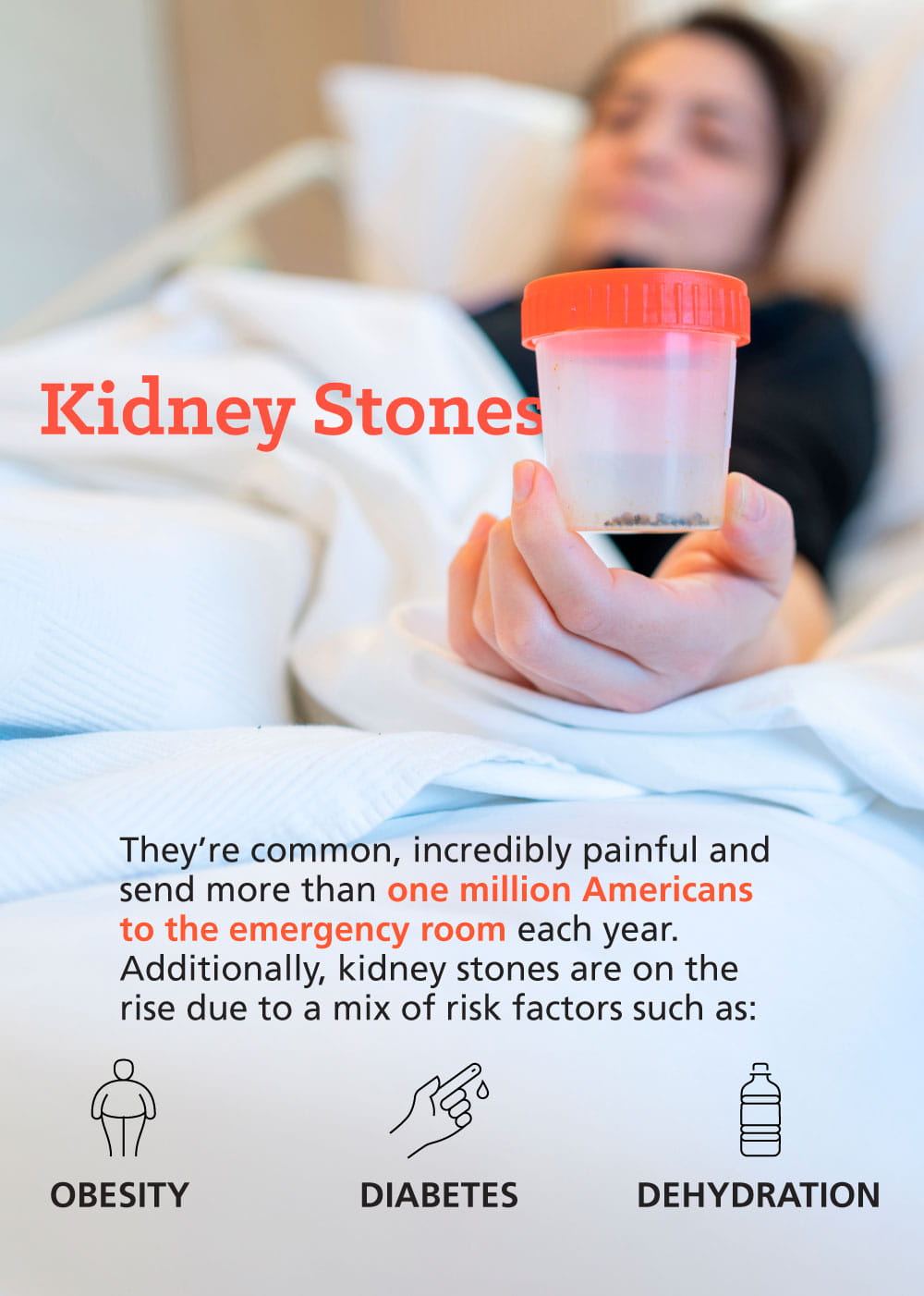

They’re common, incredibly painful and send more than one million Americans to the emergency room each year. Additionally, kidney stones are on the rise due to a mix of risk factors such as:
- Obesity
- Diabetes
- Dehydration.
What Are Kidney Stones?
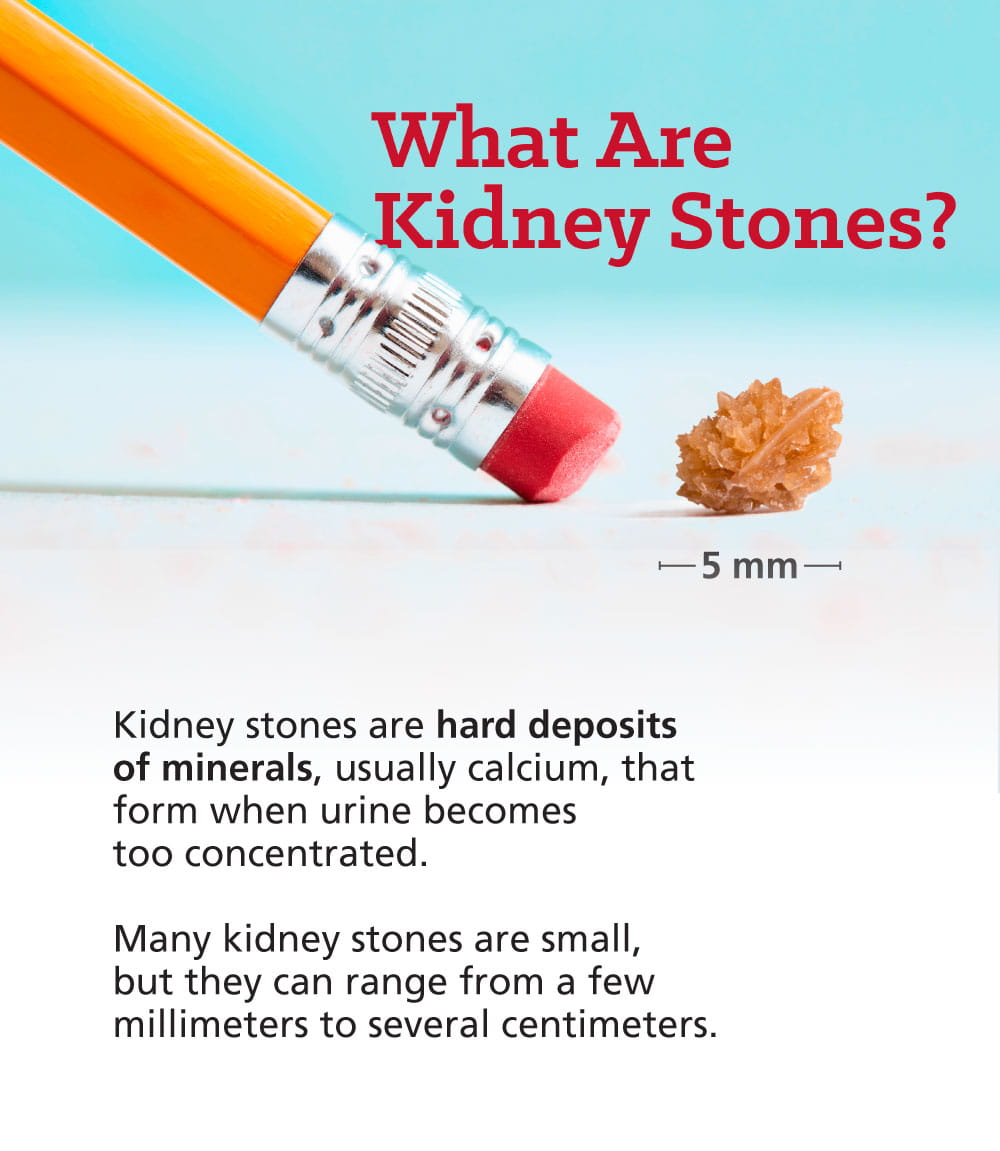
Kidney stones are hard deposits of minerals, usually calcium, that form when urine becomes too concentrated. Many kidney stones are small, but they can range in size from a few millimeters to several centimeters.
While painful, small stones often pass on their own. Larger stones, or stones causing persistent pain, obstruction or infection, may require treatment.
Typical treatments include shockwave lithotripsy, ureteroscopy or percutaneous nephrolithotomy (PCNL).
Who Gets Kidney Stones?
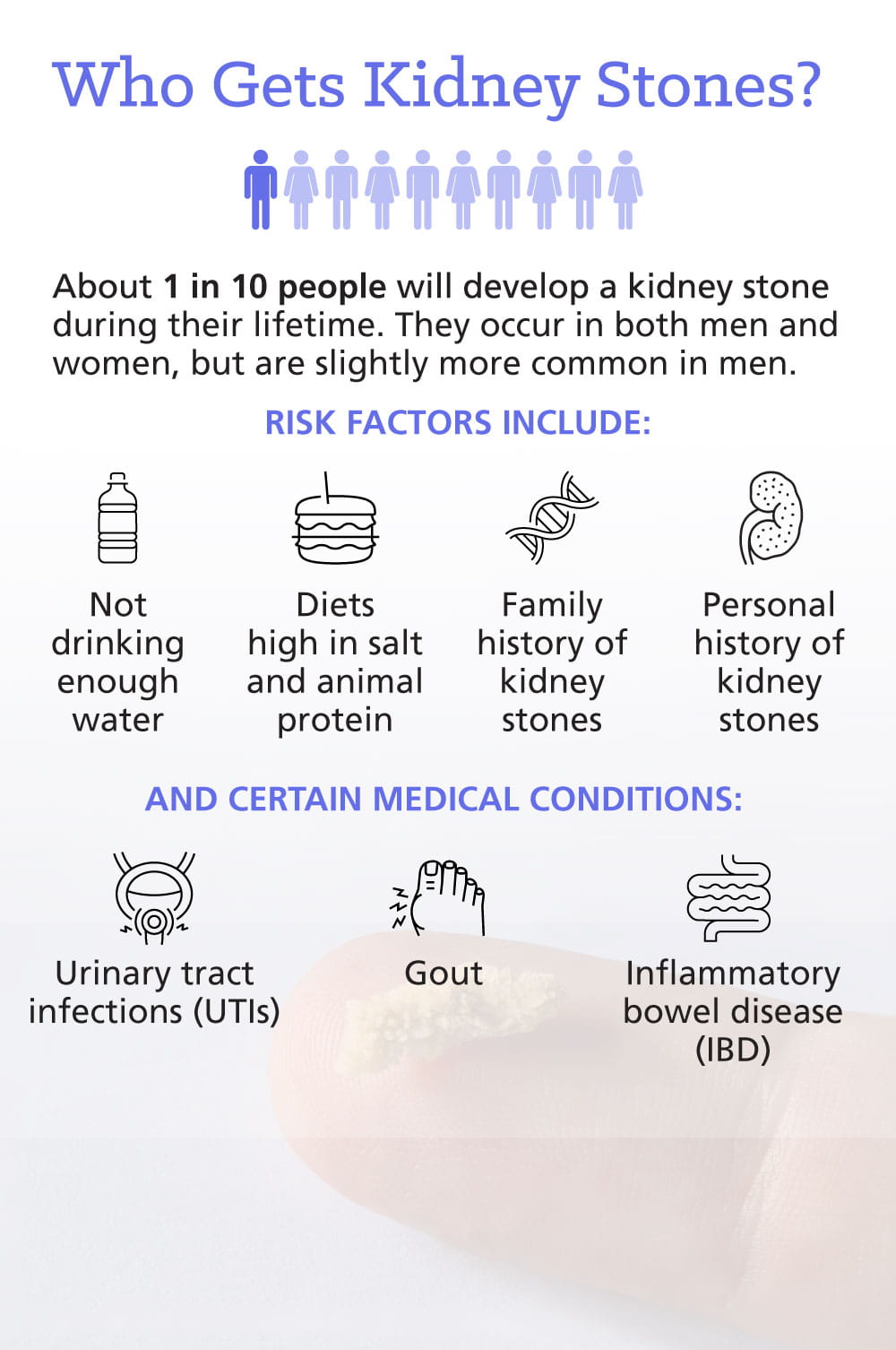
About 1 in 10 people will develop a kidney stone during their lifetime. They occur in both men and women, but are slightly more common in men. Risk factors include:
- Not drinking enough water
- Diets high in salt and animal protein
- Family history of kidney stones
- Personal history of kidney stones
- Certain medical conditions:
- Urinary tract infections (UTIs)
- Gout
- Inflammatory bowel disease (IBD)
Signs & Symptoms
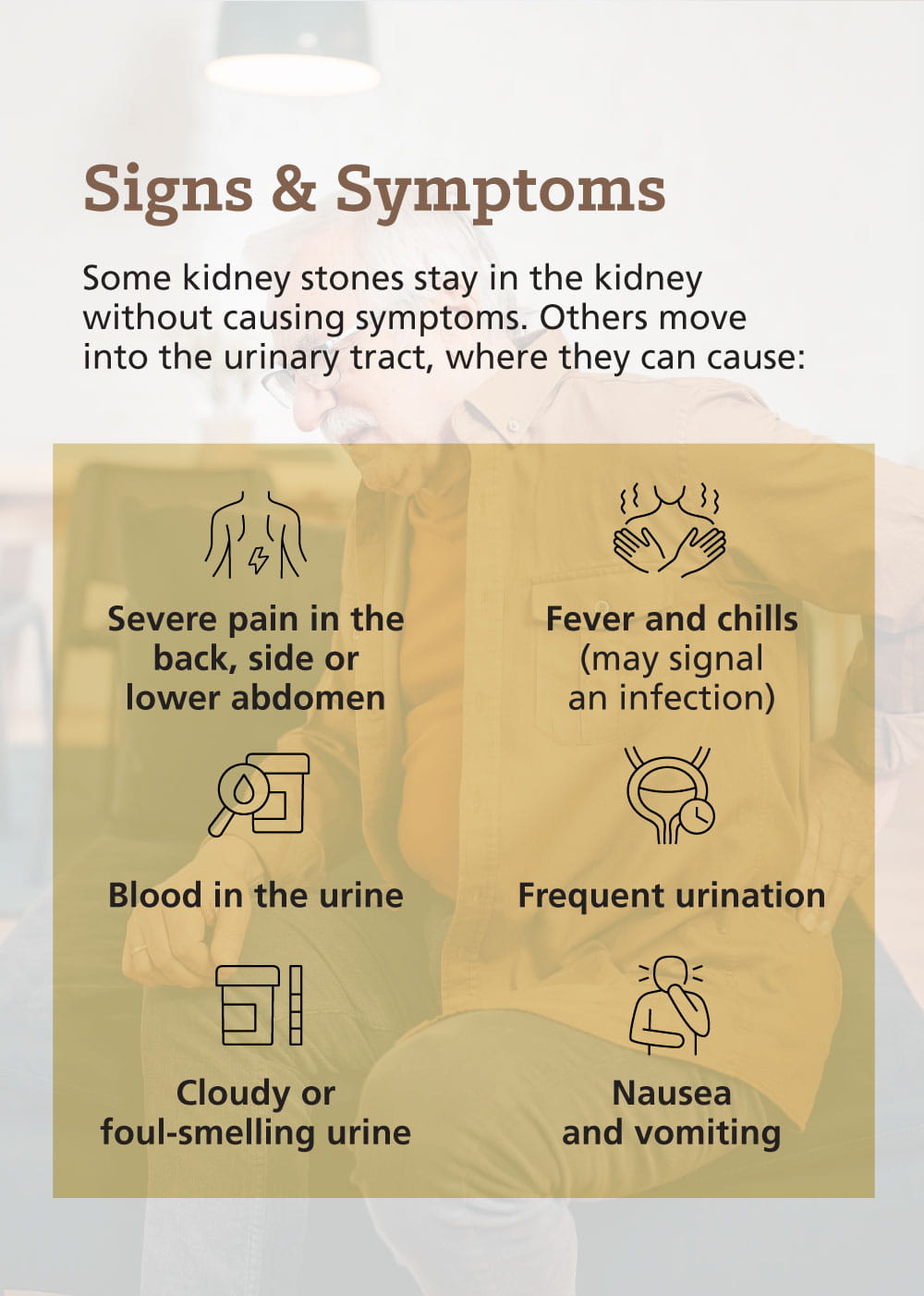
Some kidney stones stay in the kidney without causing symptoms. Others move into the urinary tract, where they can cause:
- Severe pain in the back, side or lower abdomen
- Blood in the urine
- Cloudy or foul-smelling urine
- Frequent urination
- Nausea and vomiting
- Fever and chills (may signal an infection)
How Can You Prevent Kidney Stones?
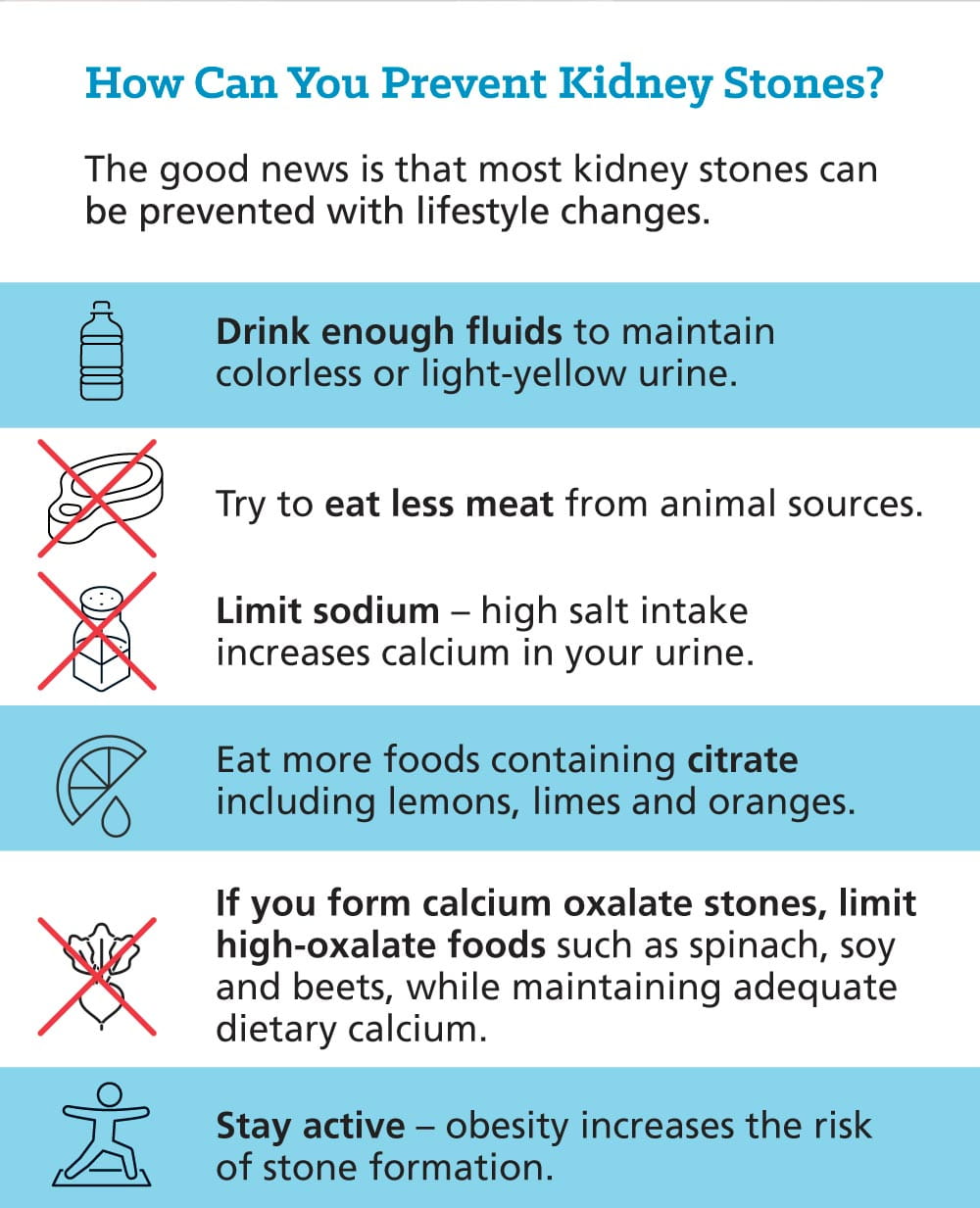
The good news is that most kidney stones can be prevented with lifestyle changes.
- Drink enough fluids to maintain colorless or light-yellow urine.
- Try to eat less meat from animal sources.
- Limit sodium – high salt intake increases calcium in your urine.
- Eat more foods containing citrate, including lemons, limes and oranges.
- If you form oxalate stones, limit high-oxalate foods, such as spinach, soy and beets, while maintaining adequate dietary calcium.
- Stay active – obesity increases the risk of stone formation.
Tags: Kidney, Digestive Health