


Drowning Prevention: How to Keep Kids Safe in the Water
May 25, 2023
 University Hospitals Rainbow Babies & Children'sExperts in Children's Health
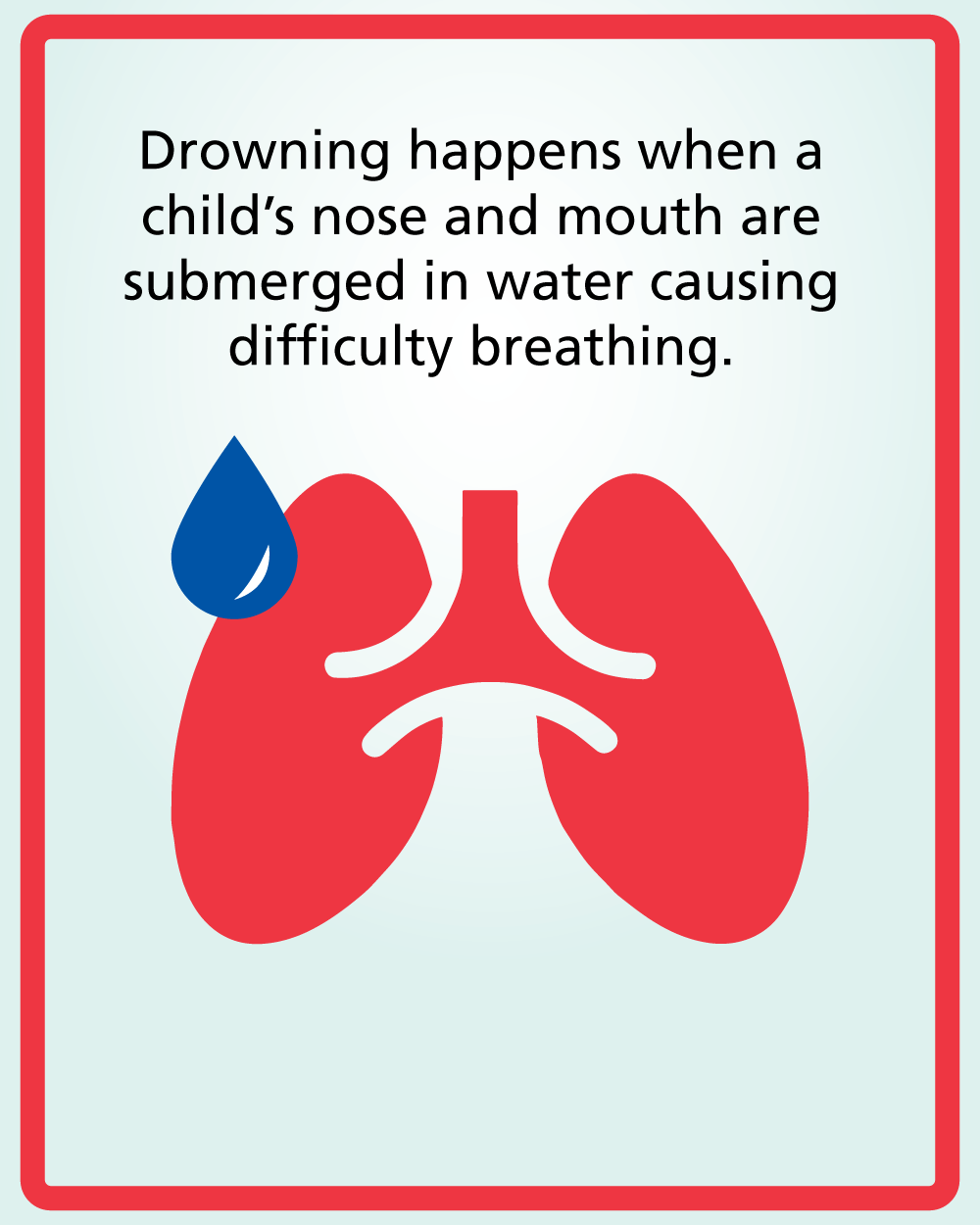
Drowning happens when a child’s nose and mouth are submerged in water causing difficulty breathing.
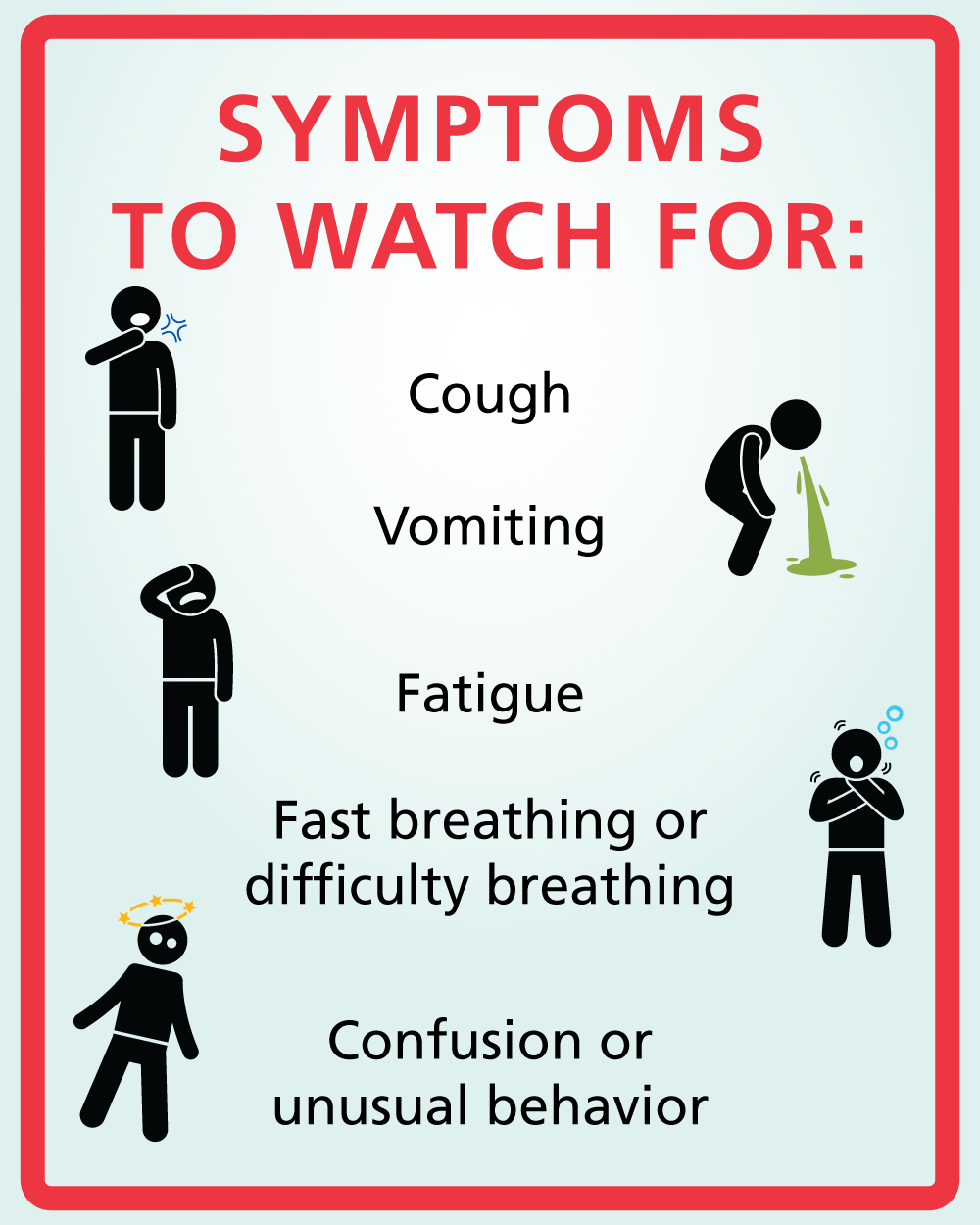
Symptoms to Watch for:
- Cough
- Vomiting
- Fatigue
- Fast breathing or difficulty breathing
- Confusion or unusual behavior
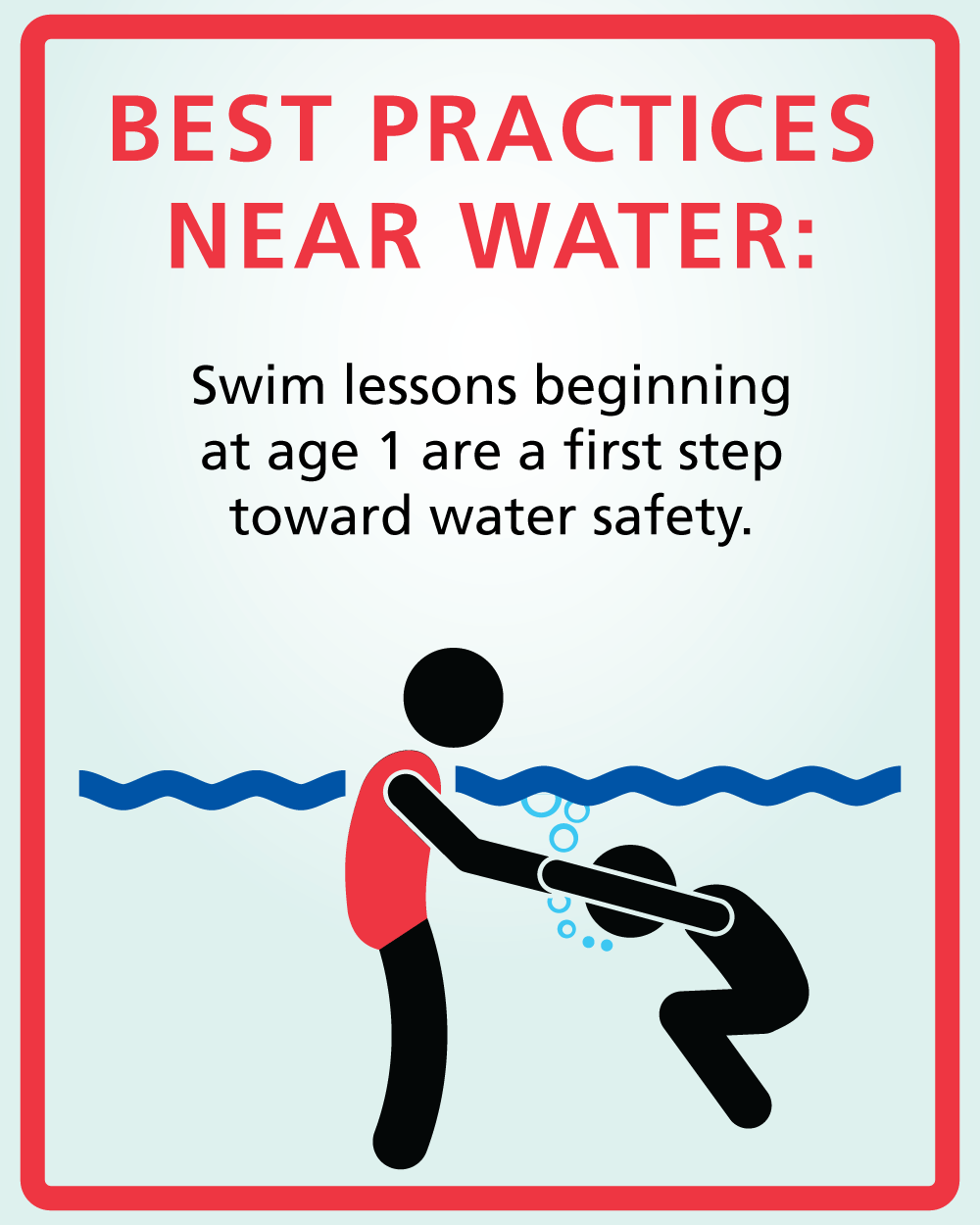
Best Practices Near Water:
- Swim lessons beginning at age 1 are a first step toward water safety.
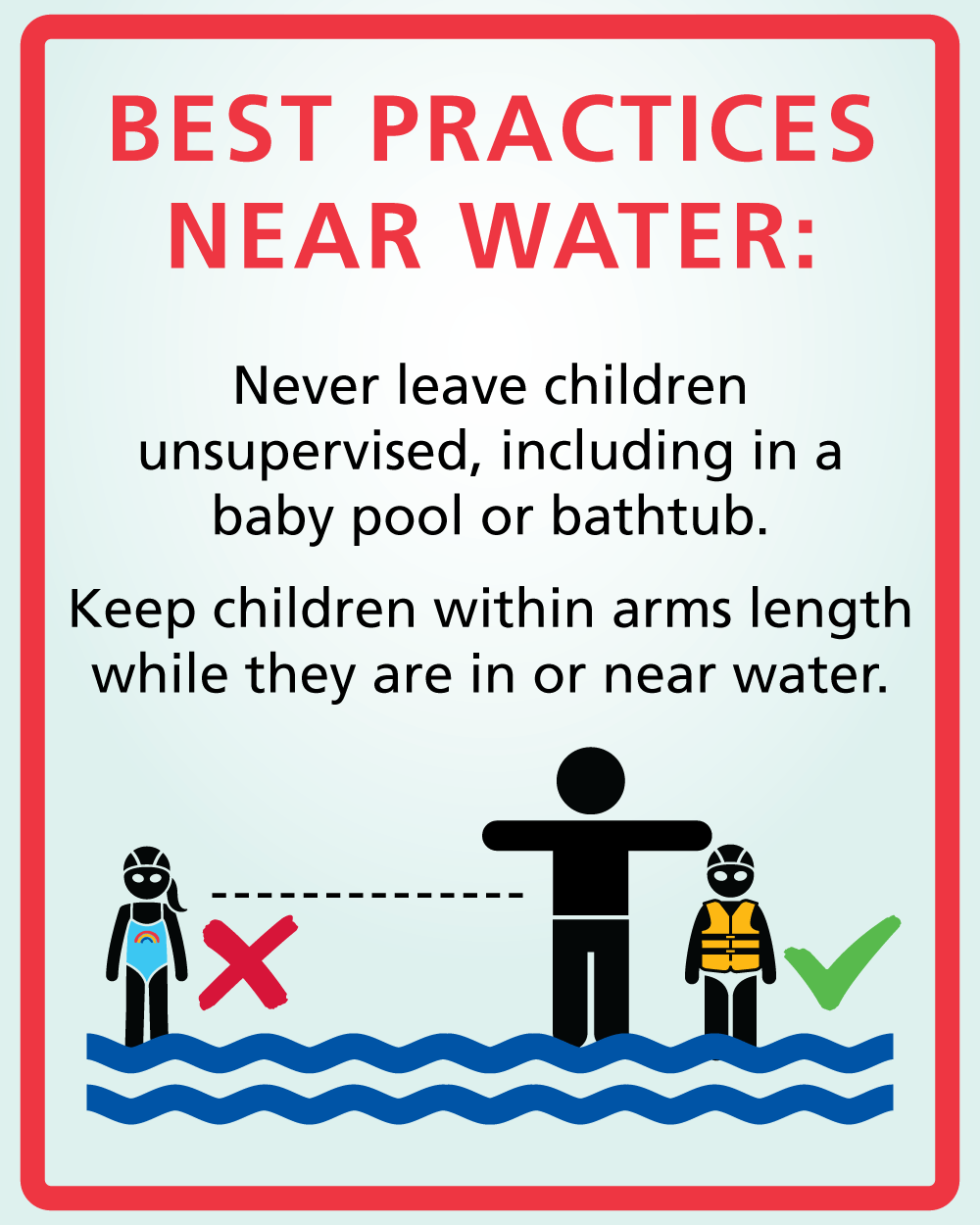
- Never leave children unsupervised, including in a baby pool or bathtub.
- Keep children within arms’ length while they are in or near water.
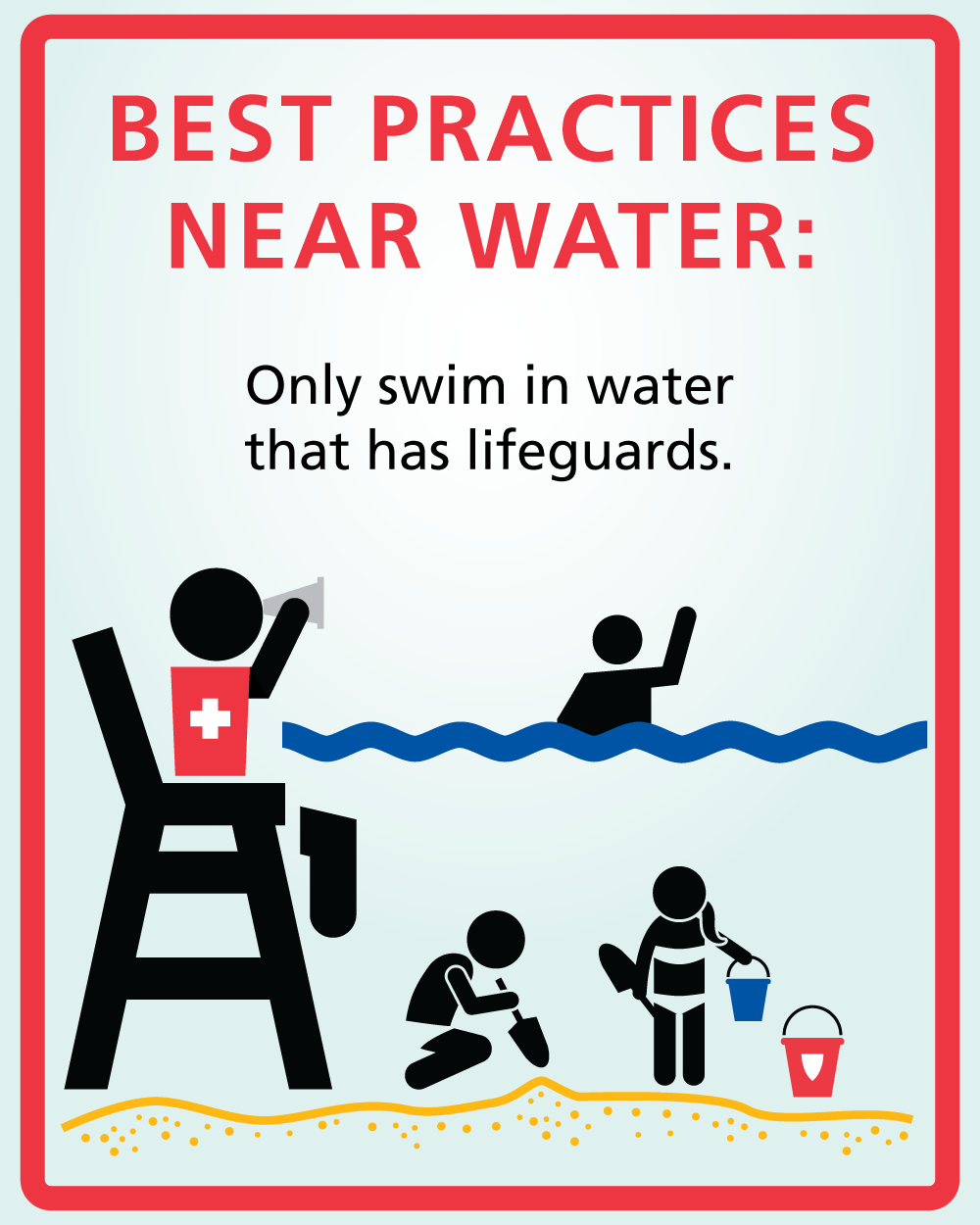
- Only swim in water that has lifeguards.
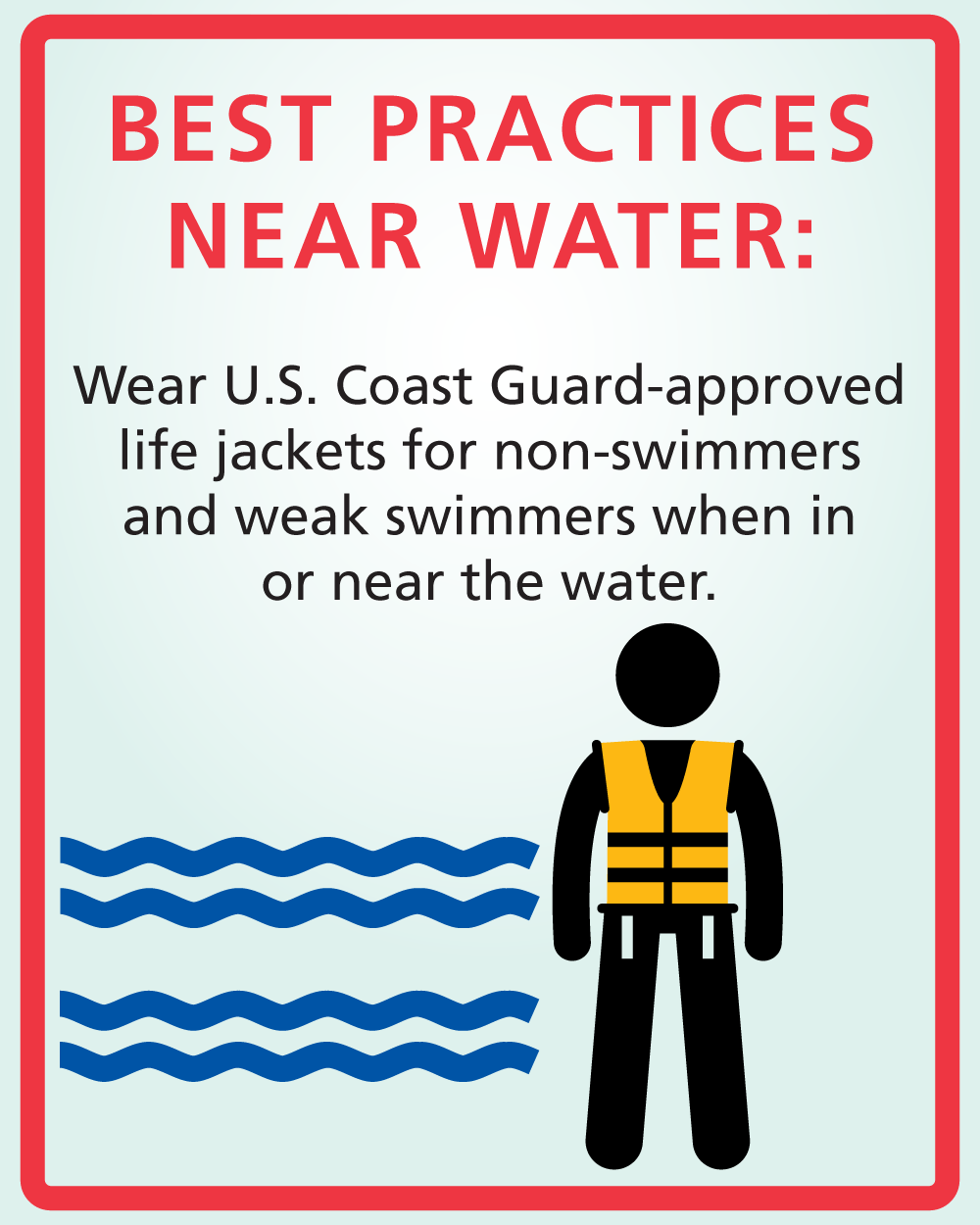
- Wear U.S. Coast Guard-approved life jackets for non-swimmers and weak swimmers when in or near the water.
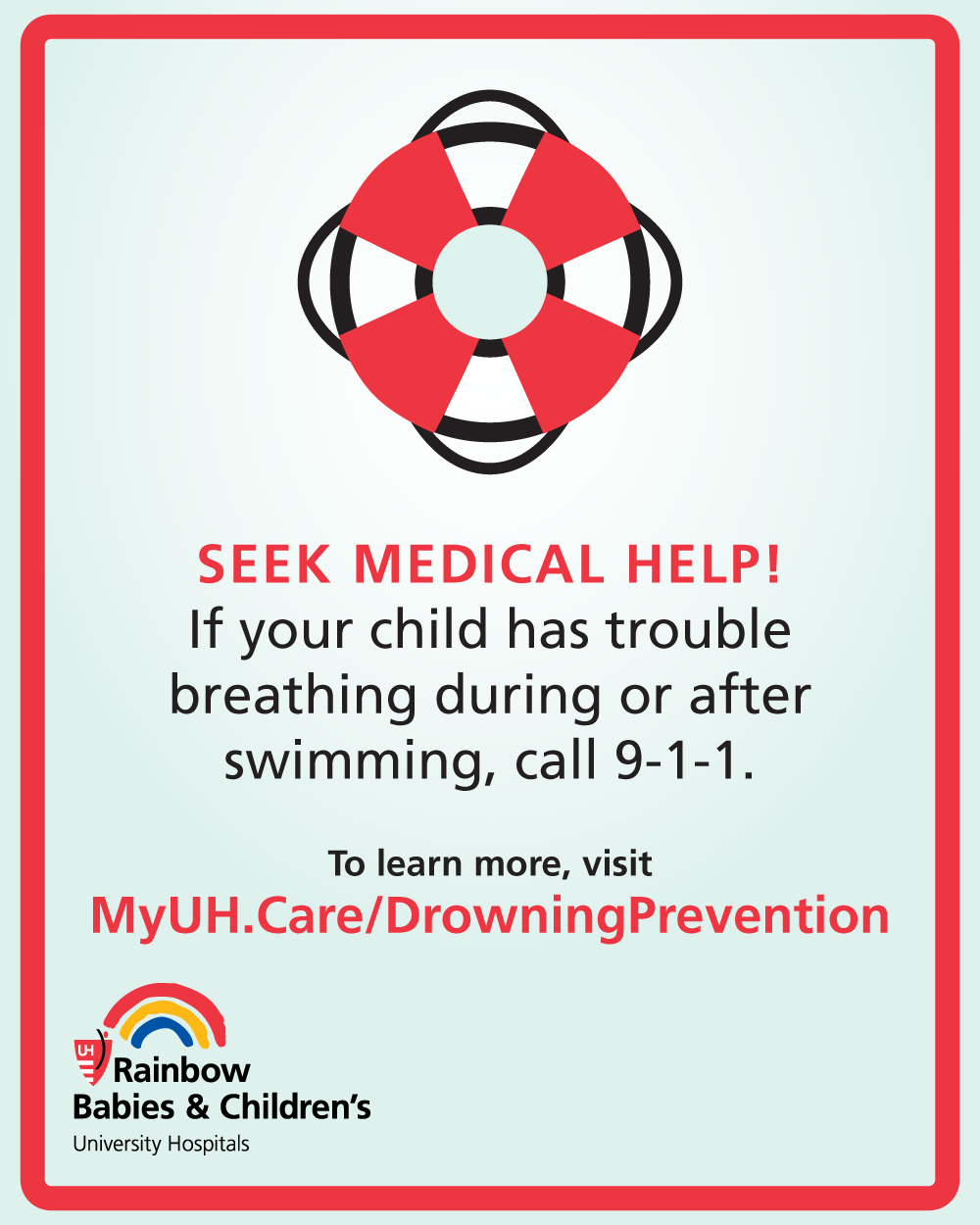
Seek Medical Help!
If your child has trouble breathing during or after swimming, call 9-1-1.
To learn more, visit: MyUH.Care/DrowningPrevention
Tags: Child Safety