


Cardiovascular and Orthopaedic Teams at University Hospitals Join to Lead First American Prospective Study of Bone Surgery Option for Chronic Limb-Threatening Ischemia
October 12, 2026

Innovations in Cardiovascular Medicine & Surgery and Innovations In Orthopaedics
A research team at University Hospitals (UH) Harrington Heart & Vascular Institute in collaboration with colleagues in the UH Department of Orthopaedics, is set to launch the first-ever American prospective study evaluating a promising approach for treating chronic limb-threatening ischemia (CLTI). This most severe form of peripheral artery disease affects 1.3% of American adults, putting them at high risk of amputation and its many associated negative consequences, with growing incidence worldwide.
In exploring new options for patients, this multidisciplinary team will evaluate the safety and efficacy of an emerging technique called transverse tibial bone transport (TTT) in patients with severe CLTI who are considered "no option" except for amputation.
TTT involves gradual movement of a bone segment, obtained through an osteotomy of the tibia. This process is performed by applying distraction to the bone segment using specialized fixators. The gradual transport of the bone flap stimulates neovascularization, thereby enhancing peripheral blood circulation. This improved blood supply can significantly aid in the healing of severe limb wounds at risk of major amputation.
 Jun Li, MD
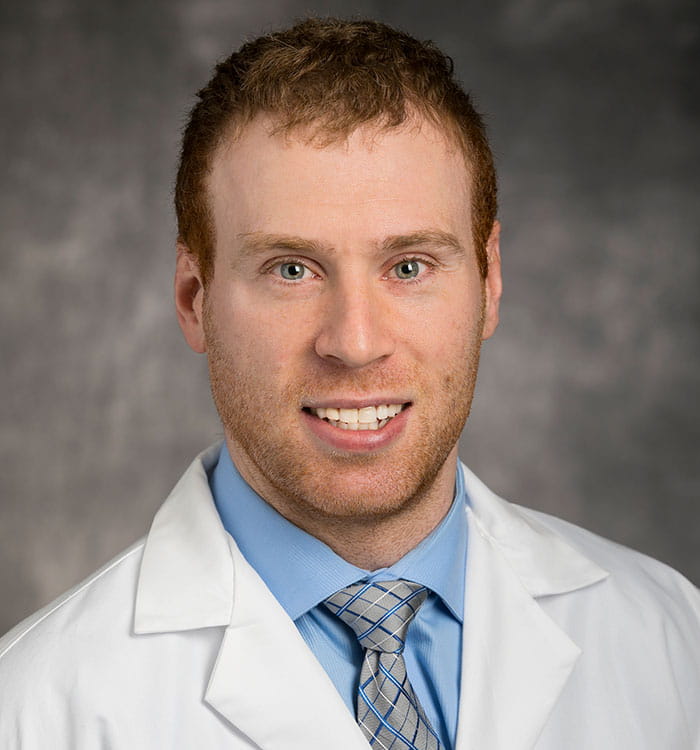 Joshua Napora, MD
“Previous studies have demonstrated the effectiveness of this technique in reconstructing blood circulation and improving limb viability, making it a promising option for patients with chronic limb-threatening ischemia (CLTI) where traditional revascularization methods are not feasible,” says Jun Li, MD, Director of the Lorraine and Bill Dodero Limb Preservation Center at UH Harrington Heart & Vascular Institute.
“You cut a small window of the tibia allowing a small section of the bone to move, while the majority of the bone remains intact,” says Joshua Napora, MD, orthopaedic trauma surgeon at University Hospitals Cleveland Medical Center, who will be performing the osteotomies in the new TTT study. “The osteotomy stimulates the body to send growth factors, for angiogenesis, making new blood vessels to that area. When you move the bone, it also stimulates these same growth factors. Additionally, by moving the bone, you're telling the body to continually send those growth factors for new blood formation over a long period of time, instead of just the initial cut.”
How Does the TTT Procedure Work?
After the initial osteotomy and positioning of the fixators, patients begin gradual transport of the tibial osteotomy segment, starting on the seventh post-procedure day and performed daily to achieve a total distraction of 10 mm over 10 days. This is followed by compression of the osteotomy site to restore anatomical alignment in 10 days. The device is completely automated and requires no adjustments by the patient. Following completion of the compression phase, the fixator device is removed in the operating room under general anesthesia, with no postoperative hospital admission required.
“This collaboration between vascular, plastic and orthopaedic surgeons is a tremendous example of how our institution eliminates barriers, enabling multiple departments to come together with a sole focus on patient-centered care,” says James Voos, MD, Chair of the Department of Orthopaedic Surgery at University Hospitals, the Jack and Mary Herrick Distinguished Chair in Orthopaedics and Sports Medicine at University Hospitals, Executive Director of the UH Haslam Sports Innovation Center, and the Charles H. Herndon Professor and Chair at Case Western Reserve University School of Medicine. “When we are talking about a limb-saving procedure, it is the perfect example of specialists working in concert to deliver a life-changing outcome.”
Fully supported by a generous grant from the Lorraine and Bill Dodero Limb Preservation Center of UH Harrington Heart & Vascular Institute, this study will examine several questions with the TTT procedure. Researchers will:
- Assess the wound healing outcomes of severe diabetic foot ulcers following TTT
- Evaluate the improvement in arterial perfusion and overall limb salvage rates
- Analyze patients’ post-procedural functional and pain outcomes
- Determine the incidence of complications associated with the procedure
It’s especially significant as the first prospective study to examine these questions in the United States. All previous data on TTT from the healthcare centers in the United States are in the form of case reports.
The research team says they’re hopeful about generating more helpful data and offering better options to CLTI patients.
“If we manage to save these limbs and achieve a meaningful limb salvage rate through this surgery, this will have incredible implications for patients at risk of major amputation,” Dr. Li says.
Contributing Experts:
Jun Li, MD
Director, Lorraine and Bill Dodero Limb Preservation Center
Co-Director, Vascular Center and
Co-Director, Pulmonary Embolism Response Team
University Hospitals Harrington Heart & Vascular Institute
Associate Professor of Medicine
Case Western Reserve University School of Medicine
Joshua Napora, MD
Orthopaedic Trauma Surgeon
Department of Orthopaedic Surgery
University Hospitals Cleveland Medical Center
Associate Professor of Orthopaedic Surgery
Case Western Reserve University School of Medicine
*Article originally posted on 12/28/25 and revised on 10/12/26.