


Creating Novel Care Pathways for Individuals at Risk for Type 1 Diabetes
November 23, 2025
Innovations in Diabetes & Metabolic Care | Fall 2025
University Hospitals Diabetes & Metabolic Care Center and The Diabetes Center at University Hospitals Rainbow Babies & Children’s have made an unprecedented commitment to see University Hospitals patients and family members at risk for developing type 1 diabetes (T1D) within a week of a positive screening test.
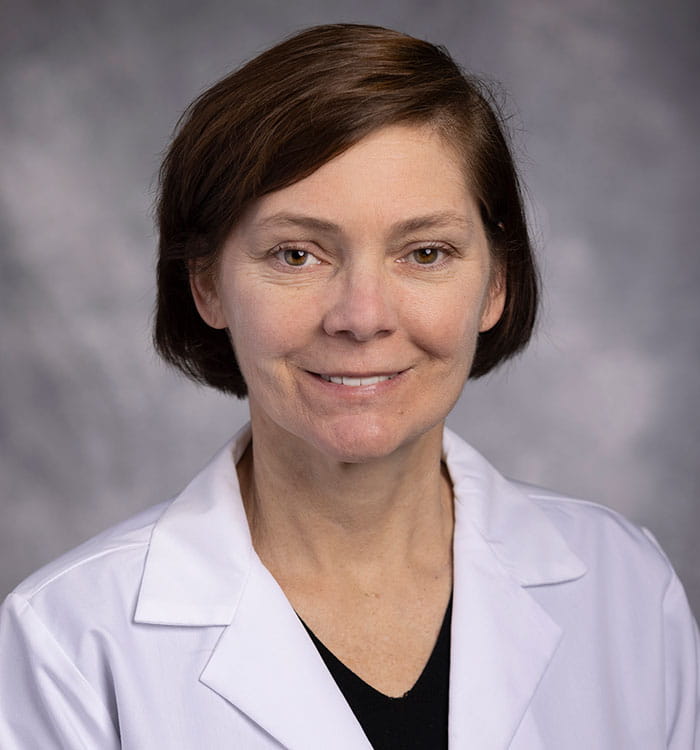 Natalie Bellini, CNP
“First-degree relatives of patients with T1D have a 15-fold increased risk of developing the disease,” says Natalie Bellini, DNP, an endocrine nurse practitioner and Program Director of Diabetes Technology at University Hospitals Cleveland Medical Center. “We are spreading the word to our primary care, gastroenterology and pediatric colleagues about the importance of screening high-risk individuals and setting aside appointments to connect them with the diabetic resources they need.”
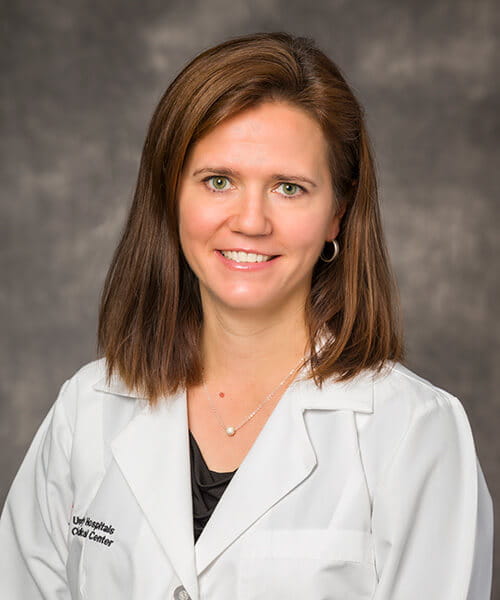 Jamie Wood, MD
Over the past couple of years, Bellini has worked with Jamie Wood, MD, to expedite scheduling for pediatric patients who test positive for T1D antibodies. Dr. Wood is the Medical Director of Pediatric Diabetes and holds the Mary Blossom Lee Chair in Pediatric Diabetes at UH Rainbow Babies & Children’s Hospital.
“This partnership is an excellent example of collaboration between pediatric and adult endocrinology specialists working together to offer groundbreaking care,” Dr. Wood says. “We are also giving lunchtime CME lectures to pediatricians, teaching them about who should be screened and making them aware that we will make appointment times available for anyone who tests positive.”
Standards for T1D Testing
The current standards set by the American Diabetes Association (ADA) recommend screening all first-degree relatives of people with T1D as well as other high-risk groups, including individuals with autoimmune thyroid disease, Celiac disease and other autoimmune diseases.
“The ADA standard of care is to screen and treat patients in early-stage T1D to reduce the risk of complications,” Bellini says. “Opening these care pathways is our commitment to following these guidelines.”
Early Identification of T1D Risk
T1D is an autoimmune disease in which the body attacks insulin-producing beta cells in the pancreas, rendering the individual insulin-dependent for life. Since 2015, T1D has been classified as a progressive disease with distinct stages that may begin years before dysglycemia and clinical symptoms appear.
- Stage 1: Presence of two or more autoantibodies with normal glucose levels
- Stage 2: Presence of two or more autoantibodies and increased/abnormal glucose levels without clinical symptoms
- Stage 3: Presents with high glucose levels, requiring insulin and the possible presence of other classic diabetes symptoms
A simple blood test detects the four autoantibodies that indicate T1D risk. “If an individual has two of the four autoantibodies at the time of screening, their lifetime risk of developing T1D approaches 100 percent,” Bellini says.
University Hospitals is part of TrialNet, an international network of leading academic and medical institutions that provides screening for relatives of people with T1D and conducts clinical studies to slow or prevent disease progression. Individuals can choose to be tested through TrialNet or an independent lab. Positive results are confirmed through secondary testing.
Reducing Diabetic Ketoacidosis and Other T1D Risks
In T1D, a lack of insulin prevents individuals from utilizing glucose for energy in their cells and increases their risk of diabetic ketoacidosis (DKA), a hyperglycemic emergency that can result in hospitalization or death. “When we know to monitor for T1D progression, we can reduce the risk of DKA at diagnosis from 62 percent to less than six percent,” says Bellini.
Early detection of T1D can also help prevent long-term complications, including circulatory issues, and damage to the kidneys, eyes and nerves.
Novel TZIELD Infusion Therapy
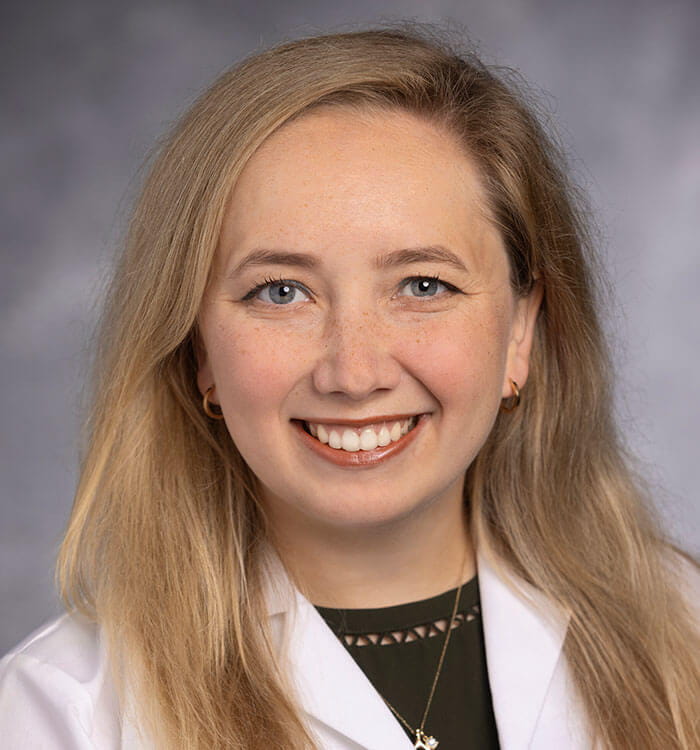 Clare Kelly, MD
“Early screening to detect the presence of autoantibodies helps prevent complications and potentially delays the need for insulin therapy,” says Clare Kelly, MD, an endocrinologist at UH Cleveland Medical Center. “Timing is of the essence for these patients because if we can catch them in stage two, we can often administer TZIELD® [teplizumab-mzwv], a monoclonal antibody that slows the destruction of beta cells.” The drug has been shown to delay T1D progression from stage 2 to stage 3 by a median of two years.
“After 100 years of insulin therapy, we finally have the first disease-modifying agent that can delay the progression of type 1 diabetes,” Dr. Wood says. “That is very exciting for our field.”
University Hospitals was the first health system in Northeast Ohio to offer TZIELD after it received approval from the U.S. Food and Drug Administration in 2022. Recently, UH Rainbow Babies & Children’s Hospital became the first health system in the Cleveland area to treat a pediatric patient with TZIELD outside of a research setting. This child of an adult T1D patient exemplifies the successful screening efforts.
At Bellini’s recommendation, the child was tested through TrialNet and confirmed antibody-positive. “Natalie contacted me over the weekend, and we were able to see the patient within a couple of days,” Dr. Wood says.
An Interdisciplinary Approach to T1D Screening and Treatment
Most T1D patients have already developed dysglycemia by the time they see an endocrinologist. Early screening and detection provide opportunities to improve patient outcomes and quality of life.
“When patients are first diagnosed with type 1 diabetes, we like to conduct comprehensive screenings, including a lipid panel and albumin-to-creatinine ratio to optimize cardiovascular and renal health, checking for retinopathy or eye issues, and scheduling a foot exam,” Dr. Kelly says. “The sooner we achieve glycemic goals and address any comorbidities, the better we can provide optimal care and reduce the complications.”
“Before we were able to identify early type 1 diabetes risk, there was nothing we could do,” Bellini says. “Now, there is a lot we can offer, including TZIELD and starting the educational process to help patients be as healthy as possible before they need insulin.”
Advantages of an Academic Medical Center
In addition to partnering with primary care and pediatric colleagues to increase testing and referrals, the UH adult and pediatric endocrine team members regularly collaborate with specialists in cardiology, nephrology, ophthalmology, hepatology, maternal health and transplant services.
“Diabetes is a systemic disease, and our patients frequent many areas within University Hospitals,” Dr. Kelly says. “We can easily send a quick message rather than converse outside of the system, and that capability helps us provide comprehensive and coordinated care.”
For more information, contact Natalie Bellini at Natalie.Bellini@UHhospitals.org, Dr. Wood at Jamie.Wood@UHhospitals.org or Dr. Kelly at Clare.Kelly@UHhospitals.org.
Contributing Experts:
Natalie Bellini, DNP
Endocrine Nurse Practitioner and Program Director of Diabetes Technology
University Hospitals Diabetes and Metabolic Care Center
University Hospitals Cleveland Medical Center
Clinical Assistant Professor of Medicine
Case Western Reserve University School of Medicine
Jamie Wood, MD
Medical Director of Diabetes, Pediatric Endocrinology
Mary Blossom Lee Chair in Pediatric Diabetes
Senior Attending Physician
UH Rainbow Babies & Children’s Hospital
University Hospitals Cleveland Medical Center
Professor of Pediatrics
Case Western Reserve University School of Medicine
Clare Kelly, MD
University Hospitals Diabetes & Metabolic Care Center
University Hospitals Cleveland Medical Center
Clinical Assistant Professor
Case Western Reserve University School of Medicine