


Profiles in Clinical Excellence: Dermatology
March 26, 2026
UH Clinical Update | March 2026
UH Dermatology Chair’s Blog
By Kevin Cooper, MD, Chair, Department of Dermatology at UH Cleveland Medical Center and the Henri Pell Junod, Jr. Chair in Dermatology
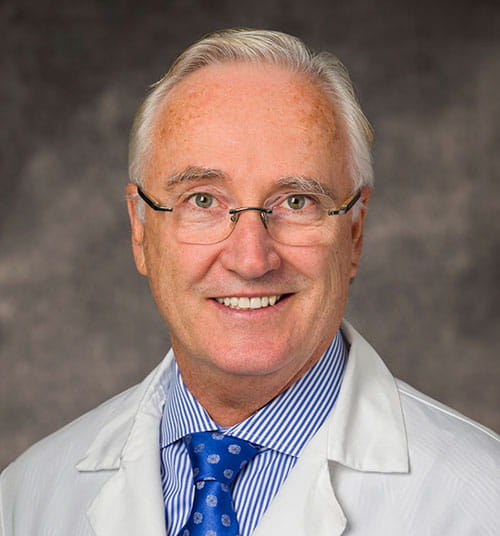 Kevin Cooper, MD
When I arrived at University Hospitals in 1995, there were two locations for patients to see a UH dermatologist - at our Main Campus, and at University Suburban Health Center in South Euclid.
Back in the mid-1990s, UH embarked on a journey to expand services beyond the current UH Cleveland Medical Center campus to become the geographically expansive health system it is today. At that time, building a multi-hospital regional system was a novel strategy for an academic medical center, and being part of it was a major factor in my decision to join UH.
Dermatology eagerly embraced this regional concept — we opened a Westlake office in a trailer on the property where UH Westlake Health Center is today, to accommodate patients on the west side. The office was highly successful and became an original tenant of the new UH building there. After continued growth, we are now looking forward to expanding into new digs at the UH Avon Health Center later this summer.
Today, we serve dermatology patients in 10 dermatology hubs in the 16-county region that UH serves, with 23 UHMG dermatology clinicians, plus 18 resident physicians and three physicians in fellowships, all distributed throughout the community.
A major challenge was to ensure each practice offered the same level of care — our ‘best practices’ -- and we achieved that by ensuring that top-level general dermatology, dermatologic surgery, phototherapy, laser therapies, subspecialty dermatology and dermatopathology were all accessible across the region.
Part of that achievement was to incorporate the UH mission — To Heal. To Teach. To Discover. — across our sites, so that teaching and clinical research could be integrated with clinical practice and contribute to the excellence that distinguishes UH care.
We continue to express the UH Advanced Care, Advanced Caring in our departmental mission statement and communication. Of course, with such a widely distributed department and service line, communication is critical, so we incorporate huddles, site meetings, and regional meetings to produce a trusting and respectful speak-up culture that generates many ideas for best practices. Those can then be turned into Standard Operating Procedures across all sites when they have proven to be successful. This fractal multidirectional communication system is likely what contributes to our high employee engagement scores.
Although dermatology once relied almost exclusively on referrals from other physicians, there is now a tremendous demand directly from patients. We serve more than 60,000 visits per year. This growth is attributable not only to our geographic accessibility, but also to a combination of factors which include UH’s reputation, our department’s service level (we have very high patient satisfaction scores), our integration with multidisciplinary UH Seidman Cancer Center teams, our crucial involvement in clinical research and our subsequent early adoption in clinical practice of advanced “biologic” therapies for a variety of disfiguring inflammatory skin diseases.
Increased physician and patient awareness also drive significant demand for our services. That is a compliment, but it creates challenges for us in providing timely access to patients in need. We have several initiatives to ease access to care, including rapid post-acute care appointments, reserved same-day appointments, automated appointment offerings when there are cancellations, patient on-line self-scheduling, Central Scheduling, provider referrals via EPIC, and a Single Lesion Clinic.
The latter program offers shorter visits for rapid assessment of a worrisome lesion, and we handled 348 of these visits in 2025.
Another reason behind the high demand for dermatologists is that the incidence of skin cancer has grown rapidly. Patients treated for skin cancer today might well be the avid sunbathers of the 1980s; many of them also exposed themselves to tanning beds, and the effects of both are cumulative.
Malignant melanoma, once rare in young middle age, is now being seen far more commonly, which can be devastating to a young family. Early recognition and removal of certain skin cancers (such as melanoma or Merkel cell carcinoma) are lifesaving. Our dermatologic surgery team (at five locations) performed more than 4,000 Mohs Surgery skin cancer removals last year.
Tags: Dermatology