


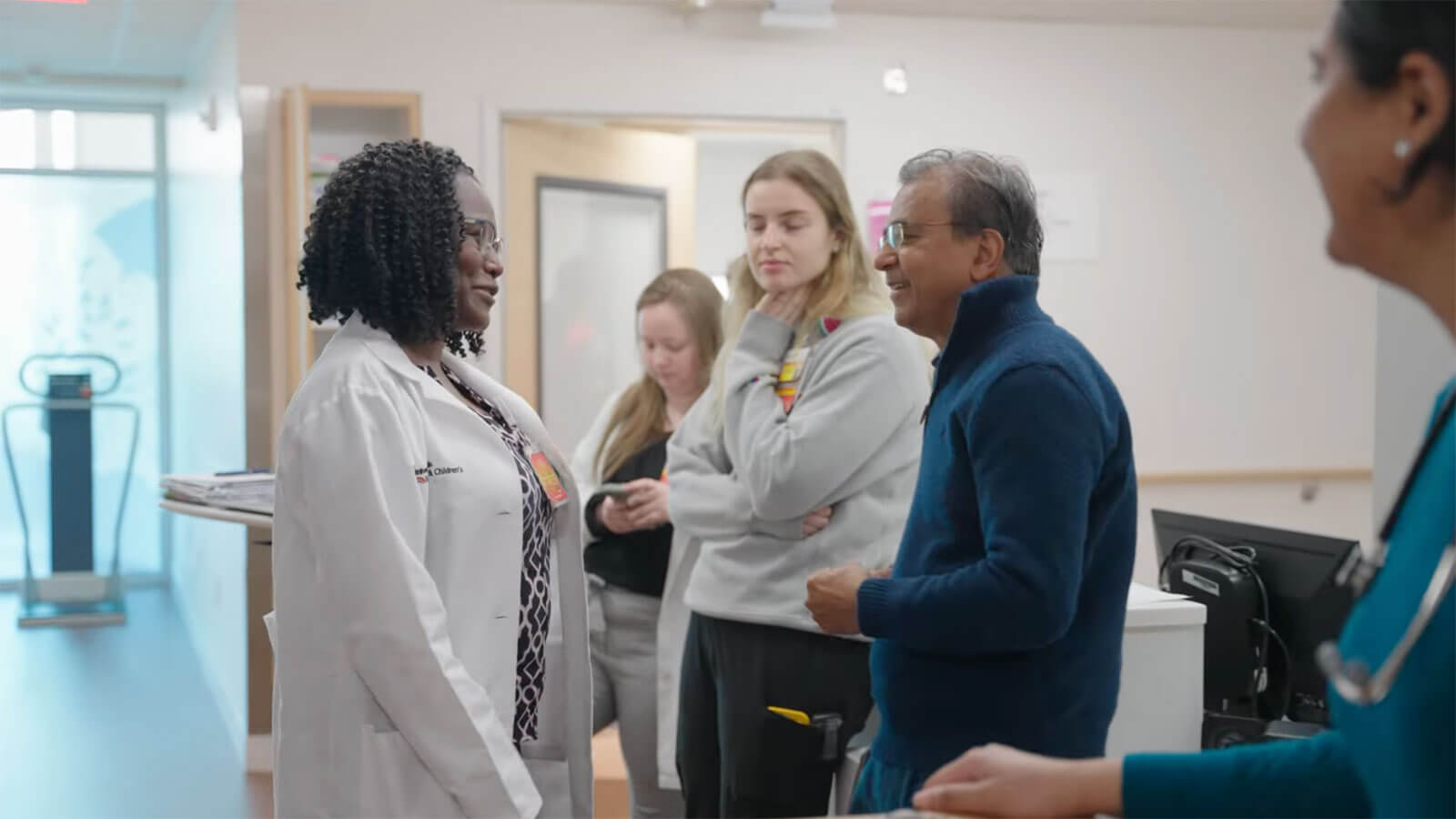
Pediatric Hematology Oncology Fellowship at University Hospitals Rainbow Babies & Children’s
The Pediatric Hematology Oncology Fellowship at UH Rainbow Babies & Children's is a three-year, ACGME-accredited program training clinician-researchers for careers in pediatric hematology oncology. Fellows gain broad clinical experience at the Angie Fowler Adolescent & Young Adult Cancer Institute and the NCI-designated Case Comprehensive Cancer Center, with research opportunities at Case Western Reserve University in developmental therapeutics, cancer genomics, immunooncology, gene and cellular therapies and more. Subspecialty tracks and advanced degree funding are available.
Quick Facts
- Program name: Case Western Reserve Univ/Univ Hosps Cleveland Med Ctr/Rainbow Babies and Childrens Hospital Program
- Sponsoring institution: University Hospitals Rainbow Babies & Children's Hospital / Case Western Reserve University School of Medicine | Cleveland, Ohio
- Accreditation: ACGME-accredited | ACGME Program Number: 3273821031
- Program length: Three years | Positions: Two fellows per year | Start date: July 1
- Application: ERAS | Match: NRMP Pediatric Hematology-Oncology Fellowship Match
- Board eligibility: American Board of Pediatrics, Pediatric Hematology-Oncology
Three-Year Fellowship Training in Pediatric Hematology Oncology
The UH Rainbow Babies & Children's Pediatric Hematology Oncology Fellowship is a three-year, ACGME-accredited program combining meaningful clinical training in year one with protected clinical as well as basic science research in years two and three. A two-fellow cohort and accomplished teaching faculty ensure individualized mentorship at every stage. Graduates are prepared for careers as academic pediatric hematologist-oncologists, physician-scientists and subspecialty experts at leading institutions across the U.S. and internationally.
Why Choose UH Rainbow for Pediatric Hematology Oncology Fellowship?
Major Academic Cancer Center Resources
Fellows train through an integrated collaboration with UH Seidman Cancer Center and the NCI-designated Case Comprehensive Cancer Center, with access to investigator-initiated trials, CAR-T therapy, cellular and gene therapies, and AYA oncology through the Angie Fowler Adolescent & Young Adult Cancer Institute.
GMP Cell Manufacturing Access
One of the few children's hospital fellowship programs in the country with access to GMP-capable cell manufacturing — through the National Center for Stem Cell and Regenerative Medicine at CWRU and the Wesley Center for Immunotherapy at UH.
Nationally Recognized Subspecialty Programs
UH Rainbow operates one of the largest pediatric sickle cell disease programs in Northeast Ohio and holds the Hemophilia Treatment Center designation for Northeast Ohio.
Individualized Mentorship at Every Stage
A selective two-fellow cohort with an accomplished teaching faculty means direct, sustained access to clinician-educators and physician-scientists invested in your growth.
Advanced Training Pathways Beyond Fellowship
Optional fourth-year (PGY-7) and fifth-year (PGY-8) subspecialty tracks in sickle cell disease, hemostasis/thrombosis and oncology research for fellows seeking deeper specialization.
A Proven Record of Graduate Success
Alumni lead transplantation programs, subspecialty clinics and physician-scientist careers at academic medical centers across the U.S. and internationally.
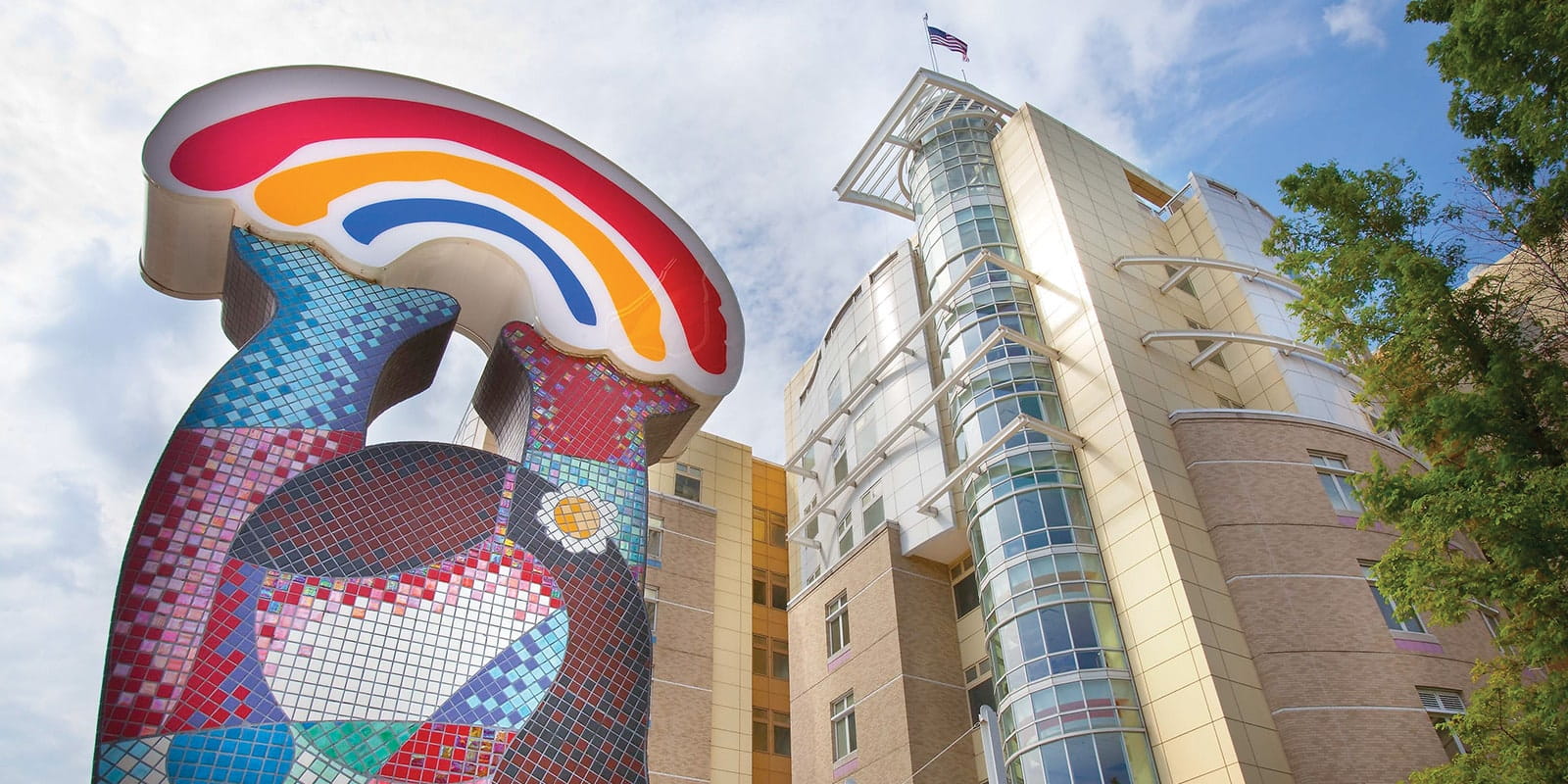
Nationally Recognized Pediatric Training Environment
UH Rainbow Babies & Children’s was named a Best Children’s Hospital for Cancer 2026 – 2027 by U.S. News & World Report.
UH Rainbow Babies & Children’s is recognized by U.S. News & World Report as a Best Children's Hospital for Cancer and trains fellows through an integrated collaboration with UH Seidman Cancer Center and the NCI-designated Case Comprehensive Cancer Center. For applicants comparing programs nationally, UH Rainbow offers the clinical depth and research infrastructure of a major academic cancer center alongside the individualized mentorship that only a selective two-fellow program can provide.
More About Our Program
 UH Rainbow Virtual Tour
 2026 State of UH Research Address
Clinical Volume, Mentorship and Academic Development
Fellows train under nationally recognized faculty, assuming progressive responsibility for a high-volume patient population across inpatient, outpatient and consultative settings, including a diverse volume of newly diagnosed oncology patients, a growing hematopoietic stem cell transplant and cellular therapy program, and one of the largest pediatric sickle cell disease and bleeding disorder programs in Northeast Ohio. Clinical training spans the full spectrum of pediatric hematology-oncology, including:
- Pediatric oncology (leukemia, lymphoma, solid tumors, neuro-oncology, survivorship)
- Pediatric hematology (sickle cell disease, hemophilia, bone marrow failure bleeding and clotting disorders)
- Hematopoietic stem cell transplantation
- CAR T-cell, cellular and gene therapies
With two fellows per year and direct access to accomplished clinician-educators and physician-scientists, every fellow receives the individualized mentorship and progressive clinical autonomy that is often harder to come by in larger programs.
ACGME Accreditation, ERAS and Match Participation
The fellowship is ACGME-accredited and accepts two fellows per year. Applications are submitted through the Electronic Residency Application Service (ERAS), listed under: Case Western Reserve Univ/Univ Hosps Cleveland Med Ctr/Rainbow Babies and Childrens Hospital Program.
All applicants must register with the National Residency Matching Program (NRMP). Graduates are eligible for subspecialty certification through the American Board of Pediatrics.
Training in Cleveland, Ohio at an Academic Children’s Hospital
Cleveland is a nationally recognized academic medical hub and an exceptional city for fellowship training. UH Rainbow Babies & Children's is located in the heart of Cleveland's medical corridor, offering fellows access to a collaborative research and clinical environment that spans:
- University Hospitals and Case Western Reserve University School of Medicine
- University Hospitals Seidman Cancer Center
- The NCI-designated Case Comprehensive Cancer Center
- MetroHealth Medical Center
- Louis Stokes Cleveland VA Medical Center
Beyond the hospital, Cleveland offers a high quality of life at a cost of living well below coastal cities with walkable neighborhoods, award-winning restaurants, world-class arts and culture, professional sports and easy access to Lake Erie and the Metroparks system. Fellows consistently find it a city that is easy to build a life in, whether arriving solo, with a partner or with a family.

Fellowship Curriculum and Clinical Training
- First-Year Clinical Training
-
The first year emphasizes intensive hands-on clinical training in pediatric hematology-oncology. Fellows benefit from close collaboration with pediatric and adult specialists, creating a rich multidisciplinary learning environment that supports both clinical excellence and scholarly development.
Seminars, didactic lecture series, case-based teaching and presentation, formal and informal mentoring sessions are all part of the rigorous training program designed to cultivate fully competent clinicians and tomorrow’s leaders in basic, translational, and clinical research as relates to the field of pediatric hematology and oncology.
- Pediatric Oncology Training
-
Pediatric oncology training at UH Rainbow provides comprehensive experience in the diagnosis and management of leukemia, lymphoma, solid tumors, neuro-oncologic conditions and other pediatric malignancies in advanced pediatric cancer treatment environment. Fellows train within one of the most advanced pediatric cancer treatment environments in the country. The program provides access to one of the only proton therapy centers in the world located on the same campus as a full-service, nationally ranked children's hospital, alongside CAR T-cell and cellular therapy programs, investigator-initiated clinical trials and the NCI-designated Case Comprehensive Cancer Center. Fellows gain firsthand experience in complex, multidisciplinary cancer care across a patient population that spans childhood through young adulthood.
- Stem Cell Transplant, Cellular Therapy and Gene Therapy Exposure
-
Fellows at UH Rainbow Babies & Children's gain hands-on experience in hematopoietic stem cell transplantation from pre-transplant evaluation through long-term survivorship alongside direct exposure to CAR T-cell therapy, cellular immunotherapy and emerging gene therapies for pediatric cancers and blood disorders.
UH Rainbow is internationally recognized for its role in advancing these therapies. The program is among the centers that offers approved as well as novel CAR T-cell therapy in clinical trials for young cancer patients and among the first centers in the country to perform sickle cell gene therapy. Through an active involvement in investigator-initiated studies and clinical trials in collaboration with UH Seidman Cancer Center and the NCI-designated Case Comprehensive Cancer Center, fellows gain direct exposure to bench-to-bedside translational research and novel therapeutic development — experience that is increasingly essential for careers in academic pediatric hematology oncology.
Fellows also benefit from access to GMP-capable cell manufacturing facilities through the National Center for Stem Cell and Regenerative Medicine at CWRU and the Wesley Center for Immunotherapy at UH — infrastructure available at very few children's hospital fellowship programs in the country.
- Pediatric Hematology Training
-
Pediatric hematology training at UH Rainbow is anchored by two nationally recognized programs: one of the largest pediatric sickle cell disease programs in Northeast Ohio and the designated Hemophilia Treatment Center for Northeast Ohio. Fellows gain high-volume, hands-on experience across the full continuum of benign hematologic care, from infancy through transition to adulthood, in sickle cell disease, hemophilia, bleeding and clotting disorders, thrombosis, bone marrow failure syndromes, transfusion medicine and complex hematologic consultations. Clinical training also includes access to emerging cellular and gene-based therapies for inherited blood disorders, including gene therapy approaches for sickle cell disease.
Subspecialty Training Opportunities
- Adolescent and Young Adult (AYA) Oncology Training
-
Fellows at UH Rainbow gain AYA oncology experience through the Angie Fowler Adolescent & Young Adult Cancer Institute, caring for patients ages 15–25 with cancer across inpatient and outpatient settings. Because UH Rainbow and UH Seidman Cancer Center operate within the same health system, fellows have direct access to adult oncology colleagues enabling a truly integrated approach to AYA care that freestanding children's hospitals are not positioned to offer.
Training covers the unique clinical, psychosocial, fertility and survivorship needs of AYA patients, with exposure to AYA-focused clinical trials and an evolving program that continues to expand access to age-appropriate cancer care and resources.
- Fourth-Year Subspecialty Track Options
-
UH Rainbow offers optional fourth-year (PGY-7) and, in selected cases, fifth-year (PGY-8) subspecialty fellowship training in two areas of nationally recognized clinical and research strength, as well as extended oncology research training for fellows with interests in clinical, basic or translational cancer research:
- Pediatric Sickle Cell Disease: Advanced training within the largest pediatric sickle cell disease program in Northeast Ohio, a designated Center of Excellence for sickle cell gene therapy, with a model pediatric-to-adult transition program.
- Pediatric Hemostasis and Thrombosis: Advanced training within the designated Hemophilia Treatment Center for Northeast Ohio, with in-depth experience in bleeding and clotting disorders and an active clinical research portfolio.
- Pediatric Oncology Research: Extended training for fellows seeking deeper specialization in clinical, basic or translational cancer research, supported by individualized mentorship and the academic resources of the NCI-designated Case Comprehensive Cancer Center.
All tracks offer a customized curriculum, protected research time and funding support for an advanced degree. Applicants must have completed an accredited pediatric hematology oncology fellowship and be board-eligible or certified prior to matriculation.
Research Opportunities
Research is a core component of fellowship training at UH Rainbow. The second and third years are dedicated entirely to protected, thesis-driven research, with clinical responsibilities intentionally limited to allow meaningful scholarly focus. Active research areas include:
- Pediatric oncology: leukemia, lymphoma, solid tumors, neuro-oncology and survivorship
- Sickle cell disease, including cellular and gene therapy approaches
- Hemostasis, thrombosis and coagulation disorders
- Hematopoietic stem cell transplantation and bone marrow failure
- CAR-T therapy, cellular immunotherapy and emerging gene-based therapeutics, with access to GMP-capable cell manufacturing through the National Center for Stem Cell and Regenerative Medicine at CWRU and the Wesley Center for Immunotherapy at UH
- AYA oncology and clinical trials through the NCI-designated Case Comprehensive Cancer Center
Fellows may also pursue research through COG, NMDP and the Pediatric Blood and Marrow Transplant Consortium.
Faculty Mentorship and Fellow Support
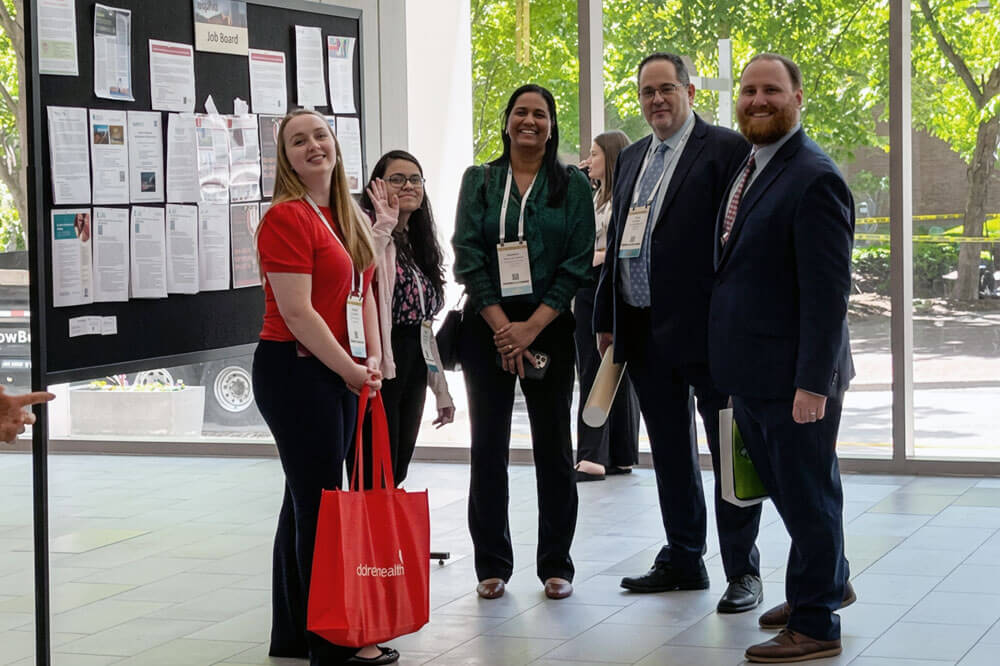
Dedicated Faculty Mentorship
Faculty at UH Rainbow are deeply invested in each fellow's success – clinically, academically and professionally. With two fellows per year, every fellow develops close, sustained relationships with an accomplished teaching faculty of clinician-educators and physician-scientists.
- Clinically: Fellows receive hands-on supervision with progressive autonomy, working side-by-side with nationally recognized faculty across the full spectrum of pediatric hematology-oncology.
- Academically: Faculty mentors guide fellows through research project development, abstract preparation, manuscript writing and presentations at regional and national meetings.
- Professionally: Fellows receive individualized career guidance from identifying subspecialty interests to building professional networks and preparing for academic positions, clinical investigation or physician-scientist pathways.
Career Development and Alumni Success
The Pediatric Hematology Oncology fellowship is built to produce competitive, well-rounded pediatric hematologist-oncologists. Protected research time, thesis-driven scholarly development and individualized mentorship give every fellow the foundation needed for academic medicine, clinical investigation or specialized practice. Fellows also participate in a broader UH Rainbow fellowship curriculum covering professional development and career planning essentials.
Graduates of the program have gone on to:
- Lead bone marrow transplantation and subspecialty hematology programs
- Pursue physician-scientist careers at academic medical centers
- Publish in leading peer-reviewed journals
- Practice at institutions across the U.S. and internationally on every continent
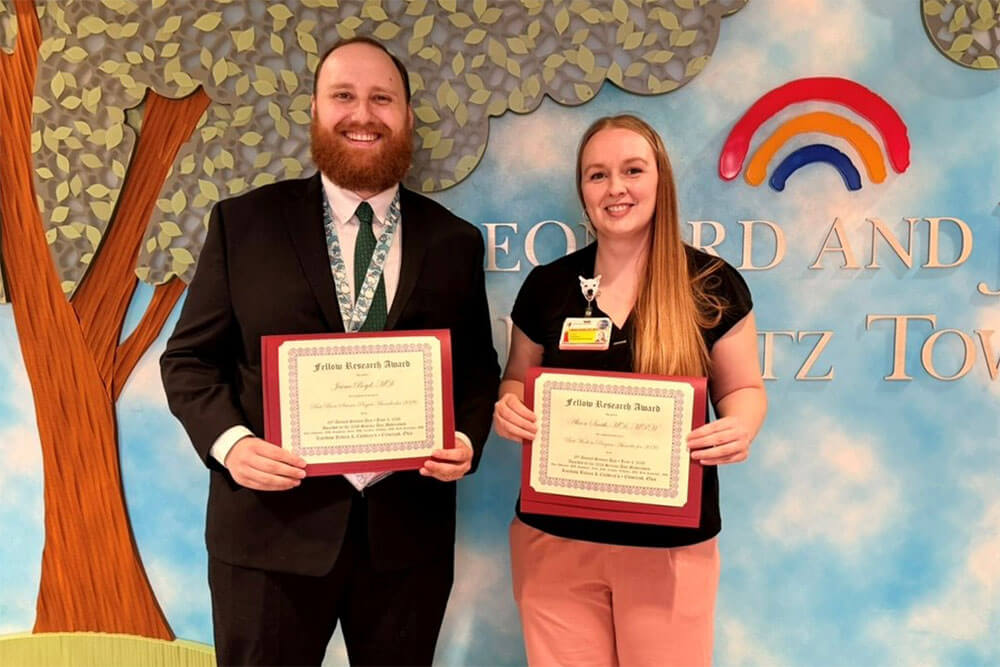
How to Apply to the Pediatric Hematology Oncology Fellowship
The UH Rainbow Pediatric Hematology Oncology Fellowship participates in ERAS and the NRMP Fellowship Match. Applications are typically submitted during the third year of pediatric residency, with fellowship training beginning July 1.
Frequently Asked Questions About the Fellowship
- What should I look for in a pediatric hematology oncology fellowship program?
-
Applicants evaluating top pediatric hematology oncology fellowship programs typically compare clinical breadth, research infrastructure, mentorship, subspecialty exposure and career outcomes. The Pediatric Hematology Oncology fellowship offers a distinctive combination of all five with a selective two-fellow cohort, nationally recognized subspecialty programs in sickle cell disease and hemostasis/thrombosis, protected research time through an NCI-designated cancer center partnership, participation in COG, NMDP and PBMTC, and an affordable, academically rich training environment in Cleveland.
- Is the UH Rainbow Pediatric Hematology Oncology Fellowship ACGME-accredited?
-
Yes. The fellowship is a three-year, ACGME-accredited training program. The ACGME program number is 3273821031.
- Does UH Rainbow participate in ERAS for pediatric hematology oncology fellowship applications?
-
We currently participate in ERAS, and our fellowship is listed under the institution name of "Case Western Reserve Univ/Univ Hosps Cleveland Med Ctr/Rainbow Babies and Childrens Hospital Program" in Cleveland, Ohio.
- How many pediatric hematology/oncology fellowship positions does UH Rainbow offer each year?
-
The UH Rainbow Pediatric Hematology Oncology Fellowship accepts two fellows per year.
- Does the fellowship include gene therapy exposure?
-
Yes. UH Rainbow is a designated Center of Excellence for sickle cell gene therapy and was among the first centers in the country to perform it. Fellows gain direct exposure to gene therapy through active clinical trials, investigator-initiated studies and bench-to-bedside translational research in collaboration with UH Seidman Cancer Center and the NCI-designated Case Comprehensive Cancer Center.
- Does the UH Raiinbow pediatric hematology-oncology fellowship include CAR T-cell therapy training?
-
UH Rainbow fellows gain direct exposure to CAR T-cell therapy through the program's collaboration with UH Seidman Cancer Center and the Case Comprehensive Cancer Center. As one of the few children's hospitals in the country offering both FDA-approved and investigational CAR T-cell therapies in clinical trials for young cancer patients, fellows gain firsthand experience with one of the most rapidly evolving treatment approaches in pediatric oncology.
- Does the UH Rainbow fellowship include proton therapy exposure?
-
Yes. Fellows train alongside Ohio's only proton therapy center, located on the same campus as UH Rainbow Babies & Children's – the only facility of its kind in the world situated on the same campus as a full-service, nationally ranked children's hospital. This gives fellows direct exposure to advanced radiation oncology within a fully integrated pediatric cancer care environment.
- Does the fellowship include stem cell transplant experience?
-
Yes. Hematopoietic stem cell transplantation is integrated throughout fellowship training, with exposure to CAR T-cell therapy and emerging gene therapies. Fellows gain direct clinical experience in transplant care through the program's collaboration with UH Seidman Cancer Center and the Case Comprehensive Cancer Center.
- Does the program include AYA oncology training?
-
Yes. Fellows gain AYA oncology experience through the Angie Fowler Adolescent & Young Adult Cancer Institute, with direct access to adult oncology colleagues through UH's integrated health system enabling a collaborative approach to AYA care that freestanding children's hospitals are not positioned to offer.
- Does the program offer sickle cell disease training?
-
Yes. All fellows gain hands-on sickle cell disease experience, including exposure to FDA-approved and investigational gene therapies through active clinical trials. An optional fourth-year (PGY-7) subspecialty fellowship in sickle cell disease is also available for those seeking advanced specialization.
- Does the program offer hemostasis and thrombosis training?
-
Yes. UH Rainbow is the designated Hemophilia Treatment Center for Northeast Ohio, providing fellows with broad exposure to bleeding and clotting disorders across the full care continuum. An optional fourth-year (PGY-7) subspecialty fellowship in pediatric hemostasis and thrombosis is also available.
- Does the fellowship include a strong research component?
-
Yes. The second and third years are dedicated entirely to protected, thesis-driven research. Fellows work with an individualized faculty mentor and three-member Scholarly Oversight Committee, with access to research resources across Case Western Reserve University and UH Seidman Cancer Center.
- Are fourth-year subspecialty tracks available?
-
Yes. UH Rainbow offers optional fourth-year (PGY-7) and, in selected cases, fifth-year (PGY-8) subspecialty fellowship training in pediatric sickle cell disease, pediatric hemostasis and thrombosis, and extended oncology research training for fellows with interests in clinical, basic or translational cancer research. All tracks offer a customized curriculum, protected research time and funding support for an advanced degree. Applicants must have completed an accredited pediatric hematology oncology fellowship and be board-eligible or certified prior to matriculation.

Life in Cleveland Has So Much to Offer
Whether you are interested in exploring the rich cultural history of its neighborhoods or eating at one of its many award-winning eateries, Cleveland has something for everyone.