


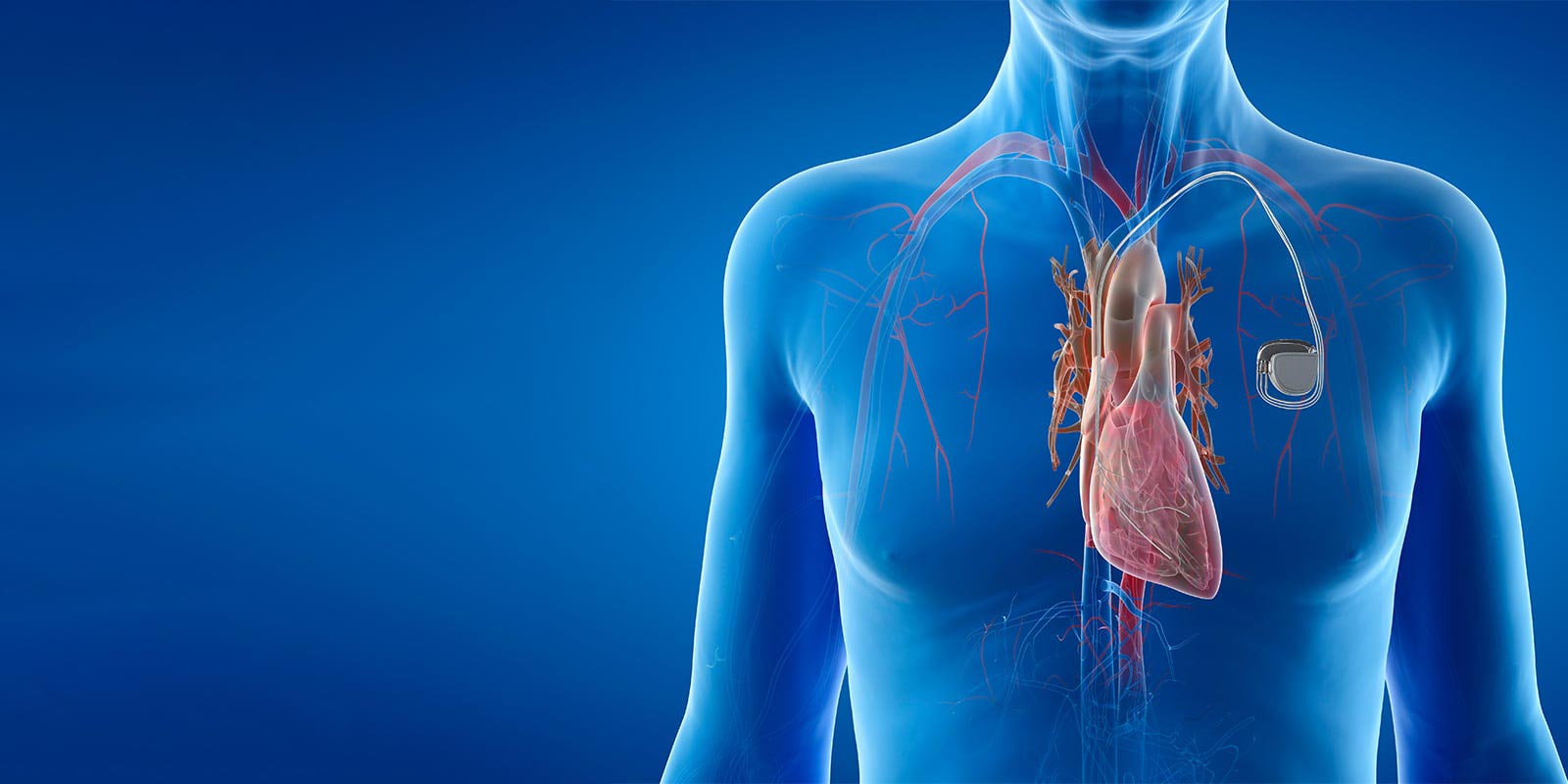
Pacemaker Implantation After Treatment for Atrial Fibrillation
Some treatments for atrial fibrillation (AFib) – such as catheter ablation and Maze surgery – may result in a heartbeat that is too slow, a condition known as bradycardia. When the heart rate is too low, the heart can’t pump enough oxygen-rich blood to the body, causing symptoms such as chest pain, dizziness, fatigue, shortness of breath, or fainting. If these symptoms are severe, an implanted pacemaker may be recommended.

Your heart health is important. Don’t delay care.
Call 216-844-3800 to schedule an in-person or virtual appointment with a UH atrial fibrillation specialist today.What Does a Pacemaker Do for People With Atrial Fibrillation (AFib)?
A pacemaker does not treat AFib directly. Rather, it helps the heart beat at a normal rate. This allows doctors to prescribe the most effective AFib medications and other advanced treatments. Together, these therapies offer a comprehensive approach that targets the underlying causes of AFib, rather than simply managing its symptoms.
Pacemakers can restore a normal heart rate for patients with AFib who experience a slow heart rhythm after medication, ablation or surgical treatment for their AFib. This is known as bradycardia, tachy-brady syndrome or medication-related bradycardia.
At University Hospitals Harrington Heart & Vascular Institute, AFib specialists with expertise in cardiac electrophysiology – the electrical activity that controls your heart’s rhythm – can expertly place pacemakers in patients who develop a slow heart rate as a side effect of AFib treatment. Our specialists also provide remote device monitoring, so patients stay connected to their care team and receive timely updates on pacemaker function from home.
A pacemaker can improve symptoms associated with bradycardia, such as fatigue, dizziness or fainting, but it does not correct or eliminate AFib itself. Patients may continue to experience AFib symptoms after pacemaker implantation.
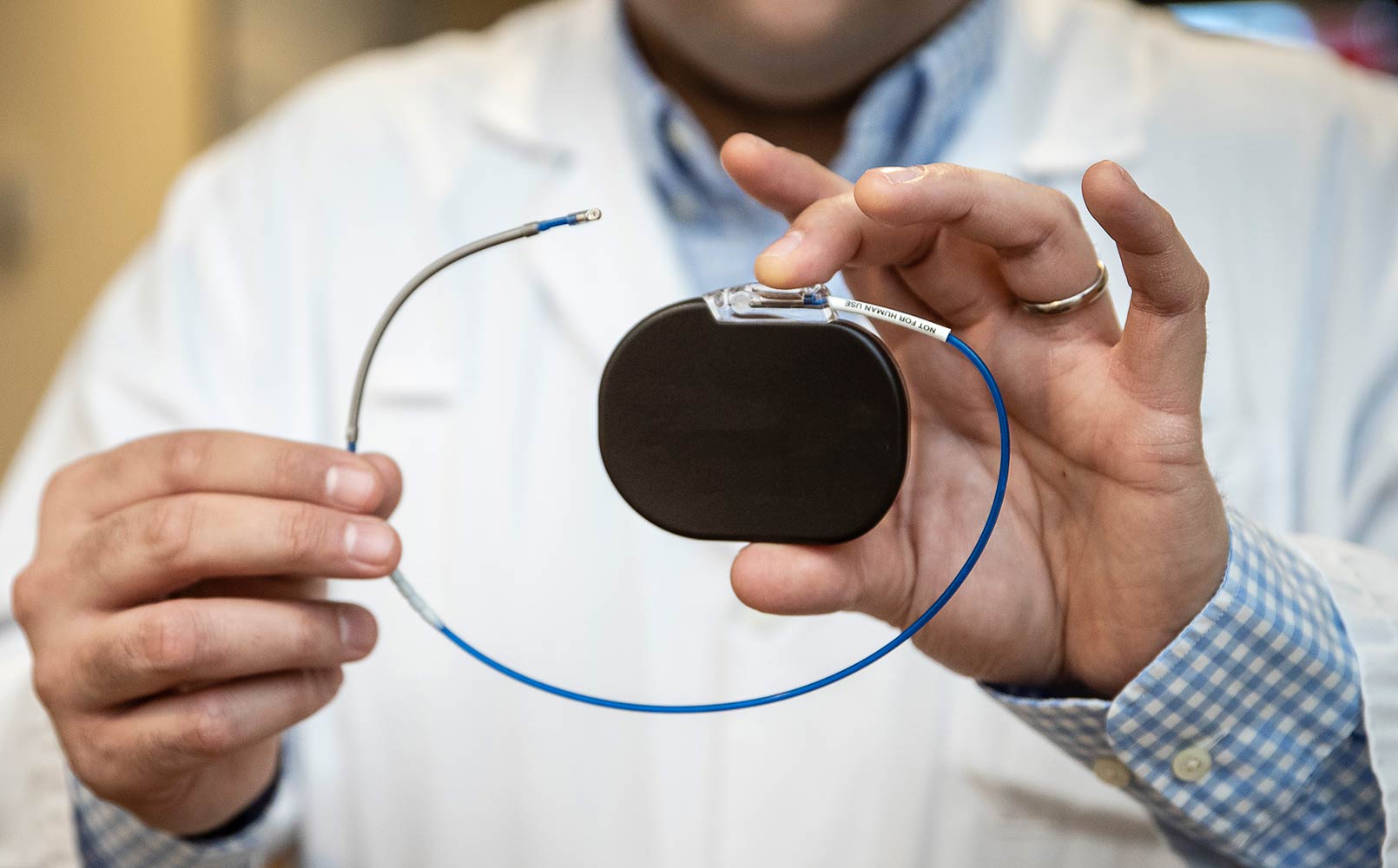
Why Would Someone With AFib Need a Pacemaker?
AFib causes an irregular heartbeat, and sometimes the heart also beats too slowly. This can happen because the heart’s natural pacemaker, the sinus node, becomes damaged, or because AFib medications slow the heart rate too much. When the heart alternates between beating too fast and too slow, it can cause dizziness, fatigue and even fainting.
A pacemaker may be recommended for the management of AFib in patients who have other conditions and treatments, including:
- Tachy-brady syndrome. The heart alternates between racing and dangerously slow rates. A pacemaker helps maintain a steady rhythm.
- Medication-induced bradycardia. Caused by rate-control drugs, which can slow the heart rate too much. A pacemaker allows doctors to use necessary medications to treat AFib while keeping the heart’s rate in a safe range.
- Sick sinus syndrome. In patients with AFib, the heart’s natural pacemaker doesn't work properly, causing irregular slow periods. A pacemaker takes over this job and helps regulate the heart’s rhythm.
- Atrioventricular (AV) node ablation. The AV node is the bridge that connects the atrial signals to the ventricles which results in a heartbeat. In AFib, the rapid atrial signals can cause the heart to beat too fast. A procedure called catheter ablation uses a catheter to target the AVN region and block the conduction of signals to the lower chamber (ventricle). Because it slows the heart rate significantly, a permanent pacemaker is needed to maintain a normal heart rate. These pacemakers have the ability to respond to activity so that the heart’s rate is adjusted to meet your body’s needs.

What Types of Pacemakers Are Used for AFib-Related Rhythm Problems?
The type of pacemaker your doctor recommends depends on the specific heart rhythm problem and how the heart’s electrical system is functioning. In the case of AFib-related bradycardia, two approaches are generally recommended:
- Dual-chamber pacing for sinus node dysfunction with AFib. This pacemaker has two leads that regulate the upper chamber (atrium) and lower chamber (ventricle) of the heart. It helps maintain the normal coordination between these chambers to stabilize heart rhythm.
- Single-chamber to support slow heart rates in AFib or following AV node ablation. A single-chamber pacemaker in the ventricle helps to support the heart rate after an AV node ablation procedure. Some patients with chronic AFib have slow heart rates and a single-chamber pacemaker in the ventricle is placed to support the heart’s rate.
- Newer, leadless pacemakers are tiny devices placed directly in the heart without surgical incisions or leads, reducing the risk of long-term complications related to leads. Leadless devices are available for both single and dual chamber pacing.
Can You Still Have AFib With a Pacemaker?
Yes, a pacemaker does not stop AFib. It helps the heart maintain a normal rate by preventing slow heart rate episodes that cause dizziness, fatigue and fainting. By preventing dangerously slow rates, it enables doctors to prescribe rhythm medication and recommend treatment strategies such as AV node ablation. However, a person can still have AFib episodes with a pacemaker in place.
Understanding Different AFib Treatments
| Treatment | What It Does/Does Not Do |
|---|---|
| Pacemaker | Prevents slow heart rate (bradycardia). Does not treat or prevent AFib or stop irregular heartbeats. |
| Catheter Ablation | Catheter ablation of AF – Directly treats AFib by creating scar tissue to block irregular signals from within the atria. Catheter ablation of AVN – Slows the heart rate in AFib by blocking signals from the atria to ventricles. Requires a pacemaker to support the heart. |
| LAAC/Watchman Device | Closes the left atrial appendage to prevent stroke-related blood clots. Prevents stroke risk but does not treat AFib itself. |
| Medications (Rate/Rhythm Control) | Slow heart rate or restore normal rhythm. May prevent AFib episodes or control the heart’s rate but does not “cure” the condition. |
What Should AFib Patients Expect Before, During and After Pacemaker Implantation?
- Before the Procedure: Anticoagulation Planning
-
For people taking blood thinners for AFib stroke prevention, your doctor will discuss how to manage the risk of blood clots. For patients with a high stroke risk, continuing blood thinners during the procedure reduces the risk of bleeding complications. Each person’s anticoagulation treatment plan depends on their stroke risk and the type of blood thinner prescribed, and should be discussed with an electrophysiologist before the procedure.
- Medication Adjustments With a New Pacemaker
-
One benefit of a pacemaker is that it allows your doctor to adjust AFib medications. If AFib medications are making the heart beat too slowly, a pacemaker can prevent dangerous bradycardia. This allows you to continue or even increase medications to control the heart rate and rhythm after implantation.
- What to Expect After AV Node Ablation
-
If the pacemaker is combined with an AV node ablation procedure, both procedures will take place at the same time. After ablation, the heart’s rhythm will be controlled by the pacemaker, and medications to control heart rate will no longer be necessary. However, AFib will still occur in the upper chambers, so blood thinners for stroke prevention will continue.
- Recovery Timeline
-
Most patients can go home within 24 hours after a pacemaker procedure. Normal daily activities can resume within a few days, though strenuous activity should be avoided for about 4 – 6 weeks. Your doctor will provide specific instructions about activity limits (including driving), medications to take, precautions to be followed, symptoms to report and plans for follow-up care.
- Remote Monitoring and Follow-up
-
After implantation, the pacemaker can be monitored remotely from home, reducing the need for in-person visits. Your care team will check the device regularly to ensure it is functioning properly and will adjust settings as needed based on AFib activity and symptoms. Patients will receive a pacemaker identification card that should be carried at all times so healthcare providers are aware of the device.

How Does Life Change After Getting a Pacemaker When You Have AFib?
With the right treatment and regular management, most people with AFib can live active, healthy lives. While pacemakers are not a cure for AFib, they can effectively manage irregular heartbeats in combination with medication.
After pacemaker implantation, AFib episodes may continue to occur — possibly with similar frequency, or even more often as the heart adjusts. Some patients experience a decrease in AFib over time, while others notice little change. The pacemaker’s role is to ensure the heart rate stays at a safe level during these episodes, allowing blood to pump effectively and preventing symptoms of bradycardia like dizziness or fatigue.
Common Questions and Answers About Heart Rate After Pacemaker Implantation
Will a pacemaker keep you out of AFib?
No. A pacemaker controls heart rate but does not treat AFib or prevent episodes from occurring. AFib episodes may continue at similar frequency, increase or decrease over time depending on individual factors.
What is a normal pulse with a pacemaker?
A normal pacemaker-supported heart rate is typically 60-100 beats per minute at rest, similar to the healthy heart rate without a pacemaker. Your doctor will program your device to match your heart’s needs.
Can you still have palpitations after a pacemaker?
Yes. Palpitations can occur when AFib episodes happen, even with a pacemaker in place. Remote monitoring helps detect these episodes early so the care team can adjust treatment accordingly.
Does a pacemaker correct an irregular heartbeat?
No. A pacemaker regulates how fast the heart beats but does not correct the irregular rhythm of AFib itself. Other treatments like ablation or medications are needed to address the underlying arrhythmia.
What Are the Risks or Downsides of a Pacemaker for AFib?
A pacemaker can help manage AFib, but it’s important to understand AFib-specific risks despite a pacemaker, including:
- Continued stroke risk despite pacing. A pacemaker does not prevent AFib-related stroke. Silent episodes of AFib are common in patients with implantable devices and are associated with a significantly increased risk of ischemic stroke. Your doctor will determine your medication needs based on your individual stroke risk.
- Anticoagulation and bleeding risk. Patients who require blood thinners to prevent stroke will continue to need them after pacemaker implantation. Blood thinners carry a risk of bleeding, but your risk of major bleeding is lower than stroke risk in high-risk AFib patients.
- Device dependency after AV node ablation. If AV node ablation is performed with a pacemaker, the heart rate will be controlled by the pacemaker indefinitely, and you will need a pacemaker for the rest of your life. This means you could need a replacement pacemaker in the future as the device’s batteries deplete.
- Potential need for future AFib ablation. Some patients eventually pursue catheter ablation as an additional treatment if AFib worsens or medications become less effective. The presence of a pacemaker does not prevent future ablation, and additional procedures carry their own risks.
- General device-related risks. These include infection, lead displacement and battery depletion requiring replacement.
Where Does Pacemaker Therapy Fit in the AFib Treatment Plan at University Hospitals?
A pacemaker is not a first-line AFib treatment. It’s one of many supportive tools as part of a comprehensive care plan. Understanding where pacemakers fit can help you understand their role in treating AFib, along with other recommended therapies.
AFib Treatment Pathway
- Diagnosis & Risk Assessment
Initial evaluation determines AFib type (paroxysmal, persistent or permanent), stroke risk and symptoms. - Medication (Rate & Rhythm Control)
First-line treatment includes beta-blockers, calcium channel blockers or antiarrhythmic drugs to slow heart rate or restore normal rhythm. - Electrical Cardioversion
If medication doesn’t restore normal rhythm, electrical cardioversion may shock the heart back to regular rhythm. - Catheter Ablation
Recommended when medications are ineffective or not tolerated. Uses heat or cold energy to create scar tissue blocking the electrical signals that trigger AFib. Success rates are highest in paroxysmal AFib. - Repeat Ablation
If an initial ablation doesn’t eliminate AFib or symptoms recur, a second ablation may be considered. - Surgical Ablation (Maze Procedure)
For select patients with failed catheter ablation, enlarged atria or concurrent cardiac surgery, surgical ablation may be recommended. - Left Atrial Appendage Closure (LAAC/Watchman)
For high-risk patients who cannot take blood thinners, device closure of the left atrial appendage reduces stroke risk. - Pacemaker Support
A pacemaker is implanted when AFib occurs with bradycardia or when medications cause dangerously slow heart rates. The pacemaker enables safe use of AFib medications and may be combined with AV node ablation in some cases. - Long-Term AFib Monitoring
Remote monitoring detects AFib episodes, guides medication adjustments and tracks disease progression.
Frequently Asked Questions About AFib and Pacemakers
- Do I still need blood thinners if I have a pacemaker?
-
Yes, most patients with AFib require continued treatment to prevent blood clots. While pacemakers help manage heart rate, they do not prevent the risk of stroke – so patients with elevated stroke risk will still need blood thinners to protect against AFib-related stroke. Patients should discuss their specific stroke risk and anticoagulation plan with their care team, since stopping blood thinners without doctor approval can significantly increase stroke risk.
- What happens if I go into AFib after I have a pacemaker?
-
AFib can still occur with a pacemaker. Modern pacemakers detect AFib episodes automatically and report them during remote monitoring. The pacemaker’s remote monitoring allows your care team to detect AFib early, even if there are no symptoms.
If AFib is detected, your doctor will decide on next steps, which may include adjusting medications, monitoring the AFib severity or considering procedures like catheter ablation.
- Can AFib get worse even with a pacemaker?
-
Yes, AFib can progress over time, whether or not a pacemaker is implanted. Research shows that AFib can advance from paroxysmal (intermittent) to persistent (long-lasting) over time. Patients with pacemakers remain at risk for this progression. That is why regular monitoring and communication with an electrophysiologist are important to detect changes early.
- Do pacemakers reduce the severity of AFib?
-
Pacemakers do not directly treat AFib. However, they can allow doctors to prescribe stronger or more effective AFib medications for patients who were previously limited by heart rate side effects of these medications. If AFib persists after medication changes, catheter ablation may be considered as an additional treatment.
- Can I still undergo AFib ablation after I get a pacemaker?
-
Yes, catheter ablation can be safely performed in patients with existing pacemakers who experience a worsening of their AFib symptoms despite medication. The decision to proceed with ablation depends on each individual’s condition, AFib severity and your doctor’s recommendation.
What Are the Next Steps if I’m Considering a Pacemaker for AFib?
At University Hospitals Harrington Heart & Vascular Institute, our cardiac electrophysiology team specializes in heart rhythm disorders and takes a personalized approach to AFib care. Consider scheduling an appointment if you’ve been diagnosed with AFib, are experiencing heart palpitations or shortness of breath, believe your current medications aren’t helping, or if you want to explore ablation or pacemaker options.
During your evaluation, the team will review your medical history and medications, run diagnostic tests (such as EKG, echocardiogram, blood work and heart monitoring) and determine if a pacemaker is right for you. The electrophysiologist will discuss the best approach – whether that's medication, ablation, a pacemaker or a combination — based on your AFib symptoms and past treatments. Every situation is different, and we’ll work with you to create a plan that is right for you.
Learn More & Schedule an Appointment

Choosing a Cardiac Electrophysiologist
Cardiac electrophysiologists (EPs) are cardiologists with advanced training in diagnosing and treating heart rhythm disorders like atrial fibrillation (AFib), atrial flutter and other arrythmias. University Hospitals Harrington Heart & Vascular Institute offers integrated EP, cardiology and surgery care with access to advanced treatment options.
Make an Appointment
Call 216-844-3800 to schedule an appointment with a UH atrial fibrillation specialist today.