


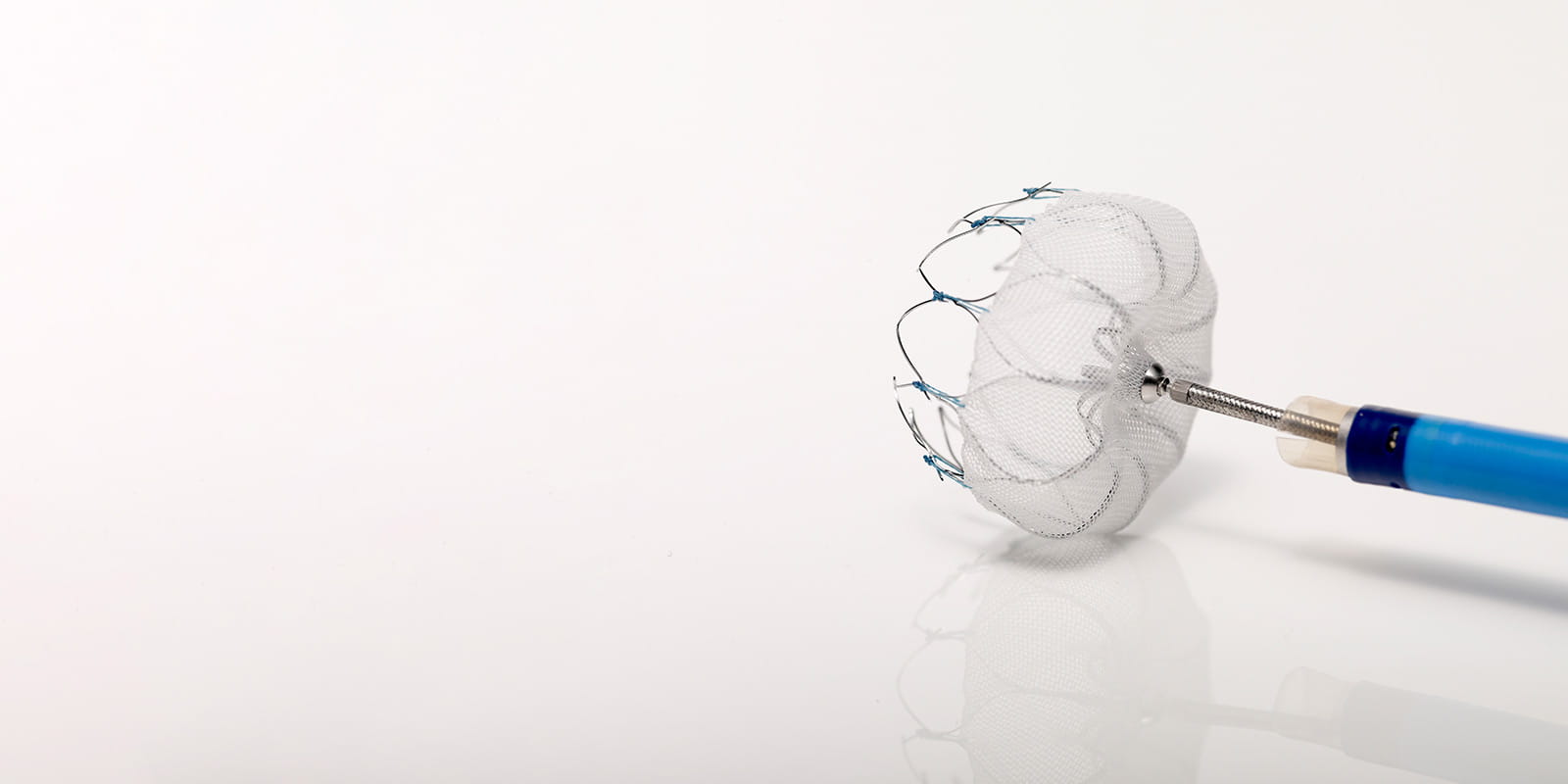
Left Atrial Appendage Closure: An Alternative to Blood Thinners for Some Patients with AFib
The left atrial appendage (LAA) is a small, pouch-like sac in the top left chamber of the heart. It is where more than 90 percent of stroke-causing clots are formed. Closing the pouch prevents blood clots that may form there from entering the blood stream, traveling to the brain and causing stroke. LAA closure permanently closes the pouch and offers a lifetime alternative to blood thinning medications to prevent stroke in patients with AFib.

Your heart health is important. Don’t delay care.
Call 216-844-8448 to schedule an appointment with a UH doctor specially trained to perform left atrial appendage closure procedures.
Find a Doctor
Quick Facts
- 1800+ successful procedures performed
- 99% first-attempt success rate
- Same-day discharge for 95% of patients
- All FDA-approved devices available (WATCHMAN™ FLX, Amplatzer Amulet)
- Covered by Medicare and most insurance plans
Are You a Candidate for Left Atrial Appendage Closure (LAAC)?
You may qualify for LAAC, also known as the WATCHMAN procedure, if you have AFib and meet one or more of these criteria:
- You cannot tolerate blood thinners. You experience side effects, allergic reactions or other contraindications to anticoagulants.
- You have a history of bleeding complications. You have experienced prior gastrointestinal bleeding, intracranial hemorrhage or other major bleeding events.
- You are at a high risk for falls. You have balance issues or mobility concerns that increase your risk for falling and injury while taking blood thinners.
- Your occupation or lifestyle is not compatible with blood thinners. Your activities put you at risk for injury, you travel frequently and have limited access to necessary lab testing, or you simply cannot adhere to prescribed blood thinner medications.
What Should LAAC/Watchman Patients Expect Before, During and After the Procedure?
Left atrial appendage closure is a minimally invasive procedure in which a small, umbrella-shaped device is inserted through a thin tube, or catheter, threaded from your groin to your heart. The device seals off the left atrial appendage – the small pouch where blood clots typically form in AFib patients — reducing stroke risk without the need for long-term blood thinners. The procedure takes about 30 minutes and is performed under conscious sedation or “twilight” anesthesia.
Before the Procedure
The University Hospitals team will verify your insurance coverage and handle pre-authorization to minimize delays. You’ll undergo a CT scan to visualize your heart anatomy. Your blood thinner medications may be adjusted according to a personalized timeline provided by your care team.
Day of the Procedure
You’ll arrive 1-2 hours before your scheduled procedure for final checks and IV placement. Once in the procedure room, you’ll receive anesthesia to keep you asleep and comfortable. Our team will monitor your vital signs throughout the procedure. After the device is successfully positioned and released, you’ll recover in a monitored area for three hours before discharge. You’ll receive written discharge instructions, activity restrictions and a follow-up appointment with your primary provider (typically at 14 days). You can resume light activities immediately upon discharge.
After the Procedure
Three months after the procedure, you’ll have a repeat CT scan to confirm the device is positioned and functioning properly. Your blood thinner regimen may be discontinued or modified based on your specific condition and risk factors. Most patients resume normal activities, including strenuous exercise, one week after the procedure.
What Are Your Treatment Options With AFib?
If you cannot tolerate blood thinners, have a history of bleeding or prefer a permanent solution to stroke prevention, LAAC is a one-time procedure that offers lifetime protection against stroke without the need for blood thinners.
| Blood Thinners | LAAC/WATCHMAN | No Treatment | |
|---|---|---|---|
| What it is | Daily medication for life | One-time procedure | No intervention |
| Effectiveness | Reduces stroke risk by ~70% | 99% first-attempt success rate | 5x higher (or more) stroke risk |
| Monitoring | Monthly lab tests & medication refills | One-time imaging study at 3 months (typically CT scan) then none required | Regular doctor visits only |
| Bleeding risk | 2-3% annual major bleeding risk | Minimal after healing | N/A |
An Experienced Team
Patient Story: “LAAC gave me freedom from blood thinners.”
Stacy Joslin of Conneaut, Ohio was diagnosed with AFib at age 57 and prescribed blood thinners for life. Concerned about long-term medication side effects like nausea, dizziness and bruising, she explored alternatives. After meeting with Dr. Steven Filby, Joslin chose the WATCHMAN device. “The experience was very good. I was released home that same day,” she said. “I'm off my blood thinner medication, and I now feel better than I did before I started taking it. I don't have to deal with bothersome side effects.”
University Hospitals Harrington Heart & Vascular Institute is one of the busiest LAAC centers in the country – the sixth-busiest among 155 U.S. centers performing this procedure. That kind of volume means our team is equipped to handle every case with confidence and expertise. With a greater-than 99% success rate and groundbreaking research, we’ve earned national recognition as a Center of Excellence for LAAC.
Our doctors are actively advancing how LAAC is performed. We lead research studies and host training courses that attract heart specialists from across the country who want to learn from our team. With our commitment to staying on the cutting edge of the WATCHMAN procedure, you benefit from the latest techniques and knowledge.
We offer every FDA-approved LAAC device available, so your doctor can choose the one that best fits your heart’s anatomy. And when your procedure is done, most patients go home the same day. Our Cardiac Device Clinic handles all your follow-up care, so you get seamless monitoring and support long after implant.
When you choose UH for LAAC, you’re choosing a nationally recognized leader with the experience, outcomes and dedication to give you the best possible care.
Concomitant Ablation With LAAC
In addition to being performed as a solo operation, LAAC is sometimes done as part of a combined procedure with catheter ablation. Catheter ablation is a minimally invasive procedure that uses targeted energy to correct the abnormal heart rhythms of AFib. By destroying small areas of tissue in the heart responsible for irregular electrical signals, catheter ablation can restore a normal heart rhythm for many patients, reducing symptoms and the need for lifelong medication.
When LAAC and catheter ablation are done in a combined procedure, it’s called concomitant catheter ablation with LAAC. The combined procedure offers AFib symptom relief and reduced risk of stroke long term. Recovery from concomitant catheter ablation with LAAC is typically similar to recovery from either LAAC or catheter ablation performed alone. LAAC is also performed as part of concomitant surgical ablation, a surgical treatment for AFib that is performed simultaneously with other heart surgeries such as valve repair/replacement or coronary artery bypass grafting (CABG).




Frequently Asked Questions About the LAAC/Watchman Procedure
- Is LAAC covered by insurance?
-
Yes. Medicare covers LAAC/WATCHMAN, and most major commercial insurance plans cover the procedure with prior authorization. Our financial counselors can verify your coverage and help navigate the authorization process before your procedure.
- How long is recovery?
-
Most patients go home the same day and can resume light activities immediately upon discharge. Normal activities including exercise typically resume after one week. Full healing of the tissue around the device takes about three months, when you’ll have a follow-up imaging study to confirm everything is functioning properly.
- What are the risks?
-
LAAC is a very safe procedure. At UH, we have a less than 0.5% major complication rate —lower than national averages. Manageable side effects, such as minor bruising at the insertion site and temporary chest discomfort can occur. Your care team will review all potential risks with you before your procedure, and detailed information is available in your patient portal.
- Is LAAC permanent?
-
Yes. Once implanted, the WATCHMAN device is permanent and provides lifetime protection against stroke from AFib. You won’t need to replace it or undergo additional procedures for it – it’s a one-time solution that lasts your entire life.
- Do I still need blood thinners after the LAAC/WATCHMAN procedure?
-
For the first three months after implant, you’ll take a short course of reduced dose blood thinners while the device integrates with your heart tissue. After your imaging follow-up confirms the device is secure, you can typically stop blood thinners and switch to aspirin alone. This is a major advantage over lifelong anticoagulation therapy. Your doctor will discuss your specific medication as part of your care plan.
Are You Considering LAAC Treatment?
If you have AFib and cannot safely take blood thinners due to bleeding history, frequent falls or medication intolerance, ask your primary care doctor or cardiologist for a referral to UH’s structural heart specialists.
Our expert team will determine whether you are a candidate for the LAAC procedure using a simple process: We’ll review your AFib history, lifestyle and bleeding events, and calculate your stroke and bleeding risk. If LAAC is appropriate, your care team will develop a care plan that includes LAAC implantation as part of long-term stroke prevention. After a few months on dose-reduced blood thinners following LAAC implant, most patients transition to aspirin alone for life.
Learn More & Schedule an Appointment

Choosing a Cardiac Electrophysiologist
Cardiac electrophysiologists (EPs) are cardiologists with advanced training in diagnosing and treating heart rhythm disorders like atrial fibrillation (AFib), atrial flutter and other arrythmias. University Hospitals Harrington Heart & Vascular Institute offers integrated EP, cardiology and surgery care with access to advanced treatment options.