


Clinical Training
A high acuity inpatient pediatric cardiology service and diverse outpatient clinics provide the foundation for fellows’ clinical education. Supervision provided by faculty in each of the training areas allows for graduated-autonomy throughout fellowship training. Our clinical training is arranged in 4-week blocks. Fellows attend continuity clinic weekly while on all rotations with the exception of the inpatient service.
| Clinical Rotation | Year 1 | Year 2 | Year 3 |
|---|---|---|---|
|
Orientation |
1 |
- | - |
|
Inpatient |
3 |
2 |
2 |
|
Consults |
1 |
1 |
1 |
|
Catheterization & Electrophysiology |
3 |
2 |
1 |
|
Echocardiography & Advanced Non-Invasive Imaging |
3 |
2 |
2 |
|
ACHD |
- | - |
1 |
|
Elective |
- |
1 |
- |
|
Research |
2 |
5 |
6 |
Orientation and Echo Boot Camp
Fellows are introduced to the Heart Center and all its clinical areas. Fellows will be familiarized with MedHub, our fellowship management system, and review the objectives of each of the clinical rotations. Orientation includes a 2 week echo bootcamp where first year fellows quickly gain experience with performing and interpreting echocardiographic studies, scanning on DAY 1. Fellows are assigned a sonographer to work alongside with as they begin to understand the basic imaging windows in echocardiography. By the end of the bootcamp, fellows:
- Understand the basic principles of ultrasound physics
- Know the indications for transthoracic echocardiography in pediatric patients
- Understand Doppler methods and applications for the assessment of blood flow and prediction of intra-cardiac pressures
- Know the standard acoustic windows and transducer positions.
- Know the image display and orientation used in pediatric echocardiography
- Have familiarity with standard echocardiographic methods of ventricular function assessment.
Inpatient (CTICU & Cardiac Stepdown Units)
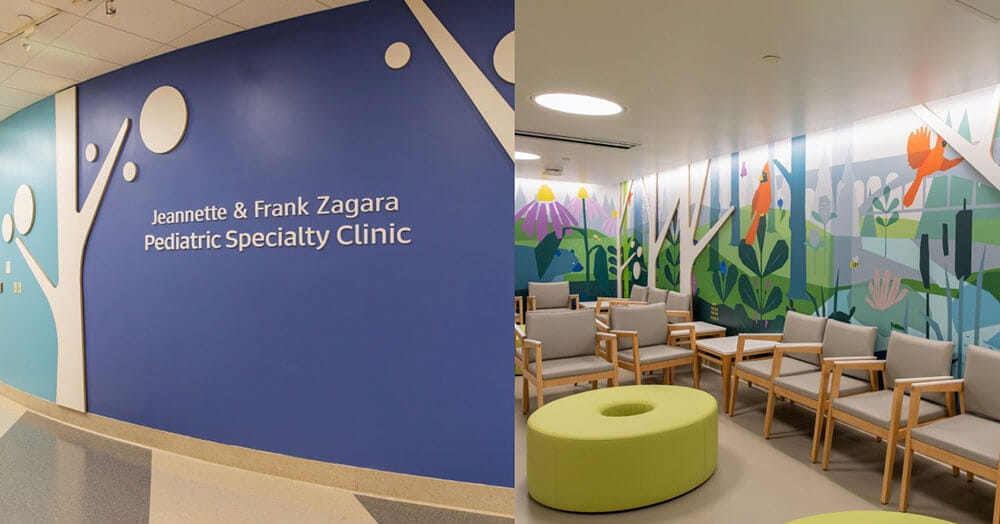
Daily rounds begin with the interdisciplinary Heart Huddle in the CTICU, an interdisciplinary huddle to review quality, systems-based opportunities, and highlight exceptional performance. Following huddle, fellows participate in the CTICU rounds serving as a consultant actively involved in the management of post-operative and high-acuity patients. Step-down unit rounds are then led by the fellow to manage all medical and surgical cardiac patients along with our front-line providers.
Consults
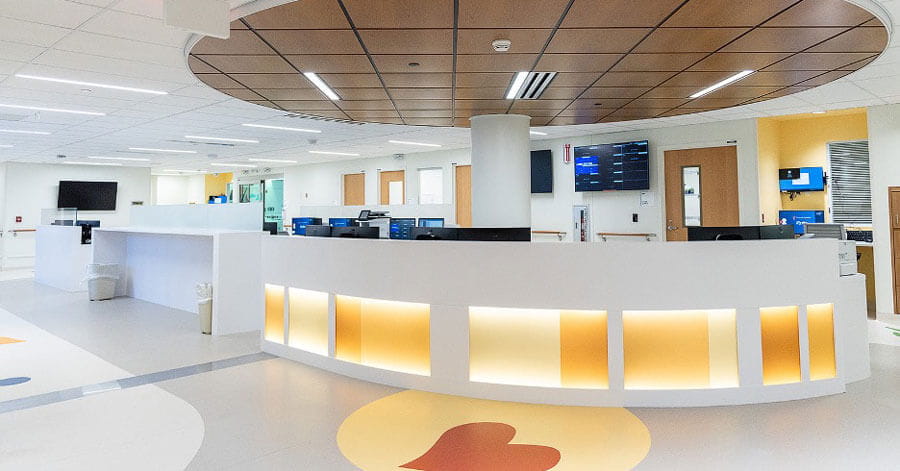
Fellows provide inpatient consultation for our pediatric and neonatal intensive care units, the inpatient wards, and newborn nursery. The fellow leads the inpatient consult service as the primary point of contact for now consult requests and is responsible for thoughtfully evaluating patients, formulating evidence-based recommendations guiding the care of patients with a wide range of cardiac conditions. The fellow plays a key educational role, coaching pediatrics residents through clinical reasoning, modeling effective communication, and fostering a collaborative learning environment on the inpatient wards. By balancing clinical oversight with mentorship, the fellow ensures that each consult not only advances patient care but also strengthens the knowledge of the resident team.
Catheterization & Electrophysiology
The catheterization service provides fellows with opportunities to evaluate patients prior to procedures, discuss upcoming procedures with patients and their families, perform catheterizations, evaluate the studies with the interventional faculty, and present catheterization data in the combined pediatric cardiology-surgery catheterization conference. On the electrophysiology service, fellows learn to perform and analyze invasive electrophysiologic studies, including radiofrequency and cryoablation, transesophageal pacing, and pacemaker insertion in the cardiac catheterization laboratory. Progressive responsibility is added for performance and analysis of invasive procedures throughout the three years of fellowship.
Echocardiography & Advanced Non-Invasive Imaging
Over the course of fellowship, fellows will be trained in the performance and interpretation of transthoracic echocardiography for the diagnosis and management of patients with suspected congenital and acquired heart disease. Fellows will work alongside a skilled attending physician and sonographer group to advance their skills. With evidence of proficiency in transthoracic echocardiography, fellows will be introduced to advanced imaging including transesophageal echocardiography, fetal echocardiography, cardiac MRI and cardiac CT.
- Average echocardiograms per year: 6,500
- Average fetal echocardiogram per year: 1,000
- Average cardiac MRIs per year: 140
Outpatient Cardiology Experience
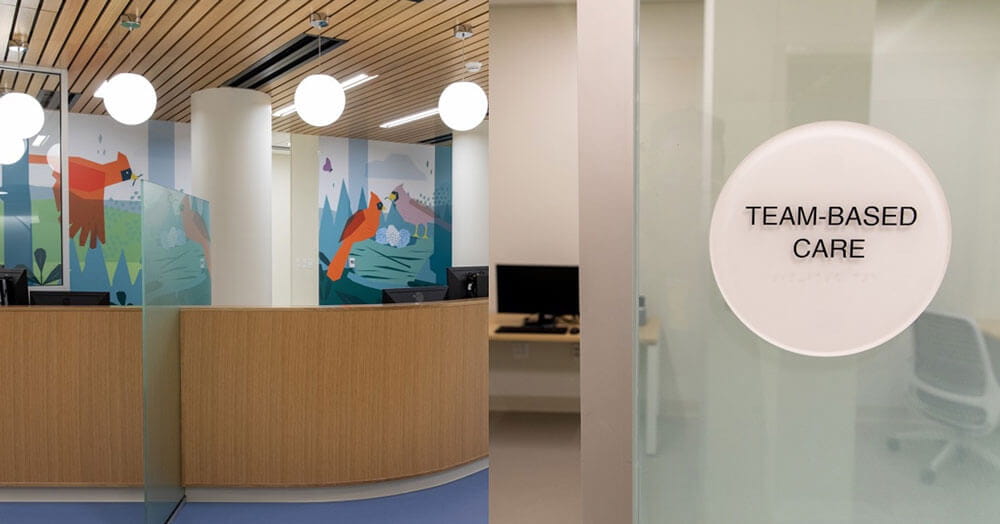
Fellows attend continuity clinic weekly while on all rotations except for the inpatient service. Continuity clinic offers a meaningful opportunity to build long-term relationships with patients and families while developing confidence in outpatient management. Under the close guidance of faculty mentors, fellows evaluate children referred for a wide range of diagnoses including patients with simple and complex congenital heart disease. Fellows will learn to integrate clinical history, examination findings, and diagnostic testing to create individualized treatment plans while honing communication skills and supporting families through ongoing follow up. This longitudinal experience, strengthens clinical judgement, deepens understanding of disease progression and fosters independence essential for future practice.
While on subspecialty rotations, fellows will evaluate patients with complex and highly specialized conditions. They will learn advanced diagnostic approaches, refine management strategies, and observe the nuances of longitudinal care unique to subspecialty care.
Fellows have the opportunity to attend additional multi-disciplinary care clinics including:
- Cardiogenetics
- Single Ventricle/Home-monitoring
- Fontan
- Pulmonary Hypertension
- Lipid/Preventative Care