


Internal Medicine Residency at UH St. John Medical Center Westlake, Ohio
The University Hospitals St. John Medical Center Internal Medicine Residency, offered through the University Hospitals Community Consortium, trains physicians in the full breadth of internal medicine within a community-based hospital backed by a major academic health system. Residents gain hands-on clinical experience across hospital medicine, ambulatory care, critical care and various subspecialties while benefiting from a collaborative teaching environment and supported by an on-site simulation lab.
Quick Facts
- Program name: University Hospitals Community Consortium (UHCC/Westlake) Internal Medicine Residency Program
- Sponsoring institution: University Hospitals Community Consortium
- Accreditation: ACGME-accredited | ACGME Program Number: 1403800540
- Program length: Three years | Positions: Eight per year
- Application: ERAS | Match: NRMP
Welcome Letter from the Directors
Dr. Caitlin Gillen and Associate Program Director Dr. Amanda Pensiero lead the UH St. John Internal Medicine Residency with a shared commitment to individualized training, faculty mentorship and resident success. Read the PD's letter to learn more about the program's culture, values and what you can expect from your three years at UH St. John.
Why Choose Our Internal Medicine Residency?
Core Faculty-Led Inpatient Training
The inpatient medicine service is run almost exclusively by core faculty, ensuring consistent, high-quality teaching and a highly individualized learning experience with meaningful mentorship and feedback throughout your three years.
A Hands-On Simulation Lab That Sets Us Apart
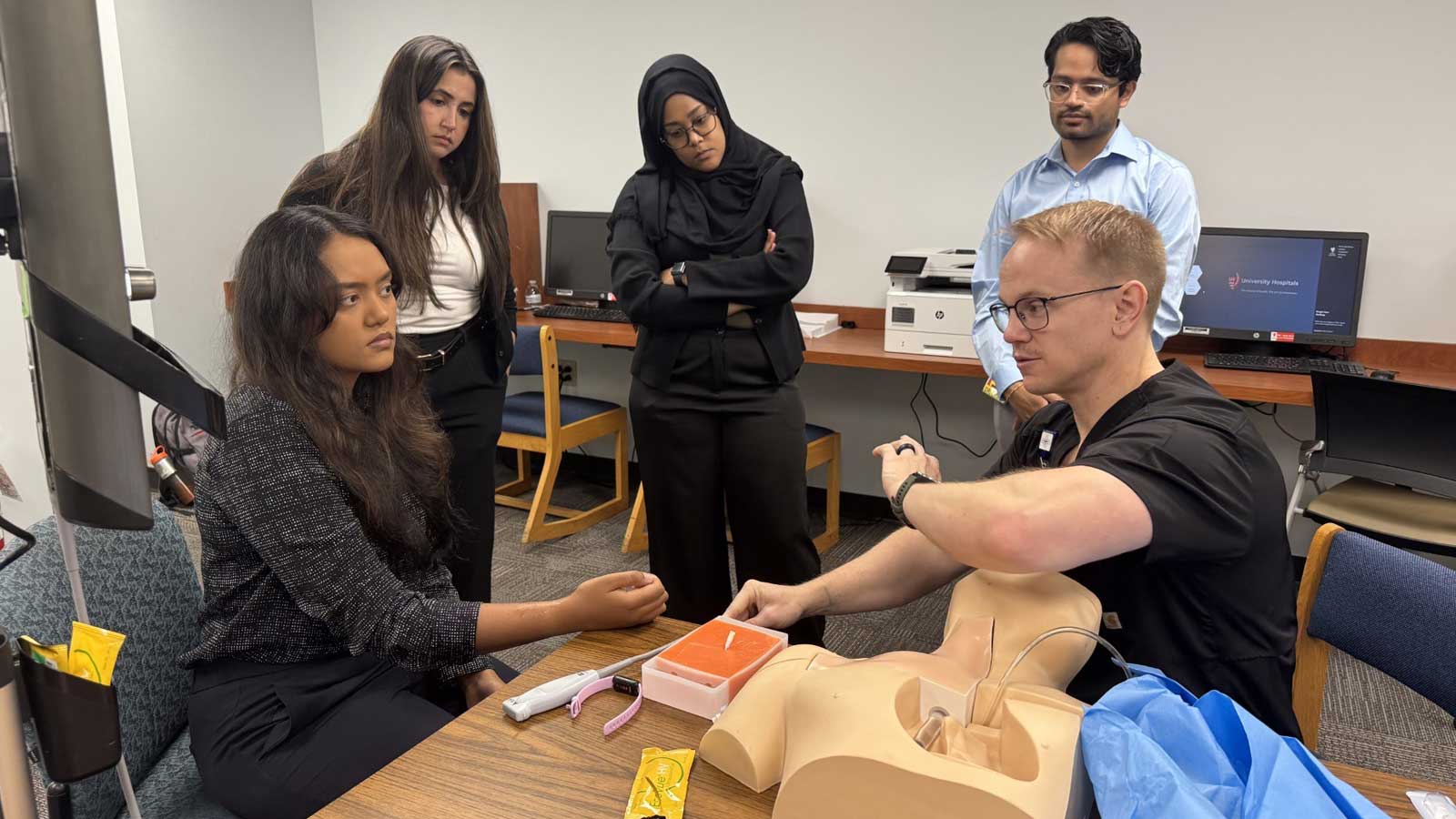
Our on-site simulation lab gives residents dedicated practice with acute care scenarios and procedural skills, one of the few Internal Medicine programs in Northeast Ohio to offer this resource on-site.
Community Training With a Tertiary System Behind You
The program combines community-based mentorship with access to the full University Hospitals network, including optional elective rotations at UH Cleveland Medical Center for expanded subspecialty exposure.
Broad Clinical Exposure Across Medicine's Core Disciplines
Residents train across hospital medicine, primary care, critical care, and various subspecialty fields. We have integrated POCUS education and have 100% attending presence at daily didactics.
Built for Physicians With Ambitions Beyond Residency
Residents develop leadership, academic, and teaching skills through scholarly activity, quality improvement, hospital committees, and a resident-as-teacher curriculum, supported by dedicated board prep resources including MKSAP and UWorld.
Westlake: A Community as Livable as It Is Convenient
UH St. John Medical Center is located in Westlake, one of Northeast Ohio's most desirable communities, with easy access to Cleveland's dining, arts, and cultural scene.
Three-Year Internal Medicine Residency Training
The UH St. John Medical Center Internal Medicine Residency is an ACGME-accredited three-year program based in Westlake, Ohio, within the University Hospitals Community Consortium. The program trains 8 residents per year in a community-based hospital setting backed by the resources of a large academic health system. The program supports residents pursuing hospital medicine, primary care, and fellowship training across a broad range of subspecialties.
ACGME Accreditation, ERAS and Match Participation
The UH St. John Medical Center Internal Medicine Residency is ACGME-accredited under the sponsoring institution University Hospitals Community Consortium, with program number 1403800540. The program participates in ERAS for applications and the NRMP Match for resident selection.
Watch Our Virtual Tour
Training Environment
Residents at UH St. John Medical Center experience the best of both worlds: the personalized training culture of a community program and the resources of a leading academic health system. The collaborative environment fosters strong relationships with faculty, staff, and fellow residents, creating a supportive atmosphere for professional growth that is difficult to replicate in larger, more impersonal training settings.
Residents also benefit from access to the full University Hospitals network, including optional elective rotations at UH Cleveland Medical Center for expanded subspecialty exposure. This combination of individualized mentorship, broad clinical experience, and system-level resources prepares residents to thrive throughout training and into their careers, whether that path leads to fellowship, hospital medicine, or primary care in Northeast Ohio and beyond.
Residency Curriculum and Clinical Training
The UH St. John Internal Medicine Residency follows a structured three-year curriculum built around progressive clinical competency across inpatient medicine, ambulatory care, critical care, and ten required subspecialty selectives. The 6+2 scheduling model balances rotation depth with continuity, and elective blocks in PGY-2 and PGY-3 allow residents to tailor training toward fellowship or career goals.
Training highlights include:
- Core faculty-led inpatient service with daily collaborative rounds
- Multidisciplinary ICU led by pulmonary and critical care physicians
- On-site simulation lab with monthly sessions and dedicated procedure labs
- POCUS education integrated across all three years
- Subspecialty selectives in cardiology, GI, nephrology, neurology, hematology-oncology, infectious disease, and more
- Optional elective rotations at UH Cleveland Medical Center for tertiary-level subspecialty exposure

Faculty Mentorship and Resident Support
The UH St. John Medical Center Internal Medicine Residency provides residents with direct faculty mentorship through a core attending-led inpatient service, individual program director and associate program director meetings, and a close-knit community training environment. Residents build sustained relationships with the same core faculty across all three years of training, supported by a program director who maintains an active role in individual resident development and program-wide communication.
The residency also offers a Peer Mentorship Program designed to support trainees as they transition into residency training. Each intern is paired with a senior resident mentor who serves as a trusted resource for guidance, advice and support throughout the year. This program fosters connection, promotes resident well-being and helps create the collaborative and supportive culture that defines our training environment.
Support for Career Development and Residency Success
The UH St. John Medical Center prepares residents for independent practice and fellowship success through structured academic development, board preparation resources and faculty-supported scholarly activity. Residents have access to MKSAP throughout all three years of their training, and UWorld in PGY-2 and PGY-3. Residents are also offered annual educational and research stipends to offset the cost of attending and presenting at national conferences, board exams, fellowship applications, and much more. We also offer a one-time board review course stipend to support external exam preparation.
Resident Alumni Outcomes
Our graduates pursue a wide range of successful career paths in both primary care and hospital medicine, helping address the growing national need for skilled internists. Alumni practice throughout Northeast Ohio and across the country, including Florida, Texas, Washington, and many other states.
In recent years, approximately 30% of graduates have pursued fellowship training. Our residents have matched into a broad range of subspecialties at institutions across the nation, including Pulmonary and Critical Care Medicine, Cardiovascular Disease, Electrophysiology, Nephrology, Gastroenterology, Allergy and Immunology, Endocrinology, Infectious Disease, Geriatric Medicine and Hospice and Palliative Medicine. These fellowship matches reflect the strength of our clinical training, mentorship and individualized career development.
Life as a Resident in Westlake, Ohio: Community Medicine Near Cleveland
UH St. John Medical Center is located in Westlake, a safe and well-resourced suburb on the west side of Cleveland. For residents evaluating where to spend three years of training, Westlake offers an accessible, affordable quality of life that larger urban training environments often cannot match.
Cleveland itself provides easy access to a nationally recognized arts and cultural scene, a growing restaurant community, professional sports, and Lake Erie waterfront neighborhoods. The cost of living is low relative to other major medical training markets, and the region draws residents who want to put down roots rather than simply pass through.
For applicants from Ohio and surrounding states, Northeast Ohio is familiar ground. For those relocating, it is a region that tends to surprise. Program graduates who trained at UH St. John Medical Center consistently cite location as one of the reasons they chose the program and, in many cases, one of the reasons they stayed.
How to Apply to the Residency
The UH St. John Internal Medicine Residency Program (University Hospitals Community Consortium (UHCC/Westlake) Internal Medicine Residency) accepts applications through ERAS and participates in the NRMP Match. We begin reviewing applications in September with interview invitation extension shortly after. Interview season will begin in October and typically runs through early December.
Frequently Asked Questions About the Residency
- What's unique about your program?
-
Our inpatient service is primarily run by core faculty, ensuring consistent, high-quality teaching and a highly individualized learning experience while still providing access to the resources of a large institution.
Additionally, our on-site simulation lab further distinguishes our program by enhancing hands-on education.
- Where do most residents live?
-
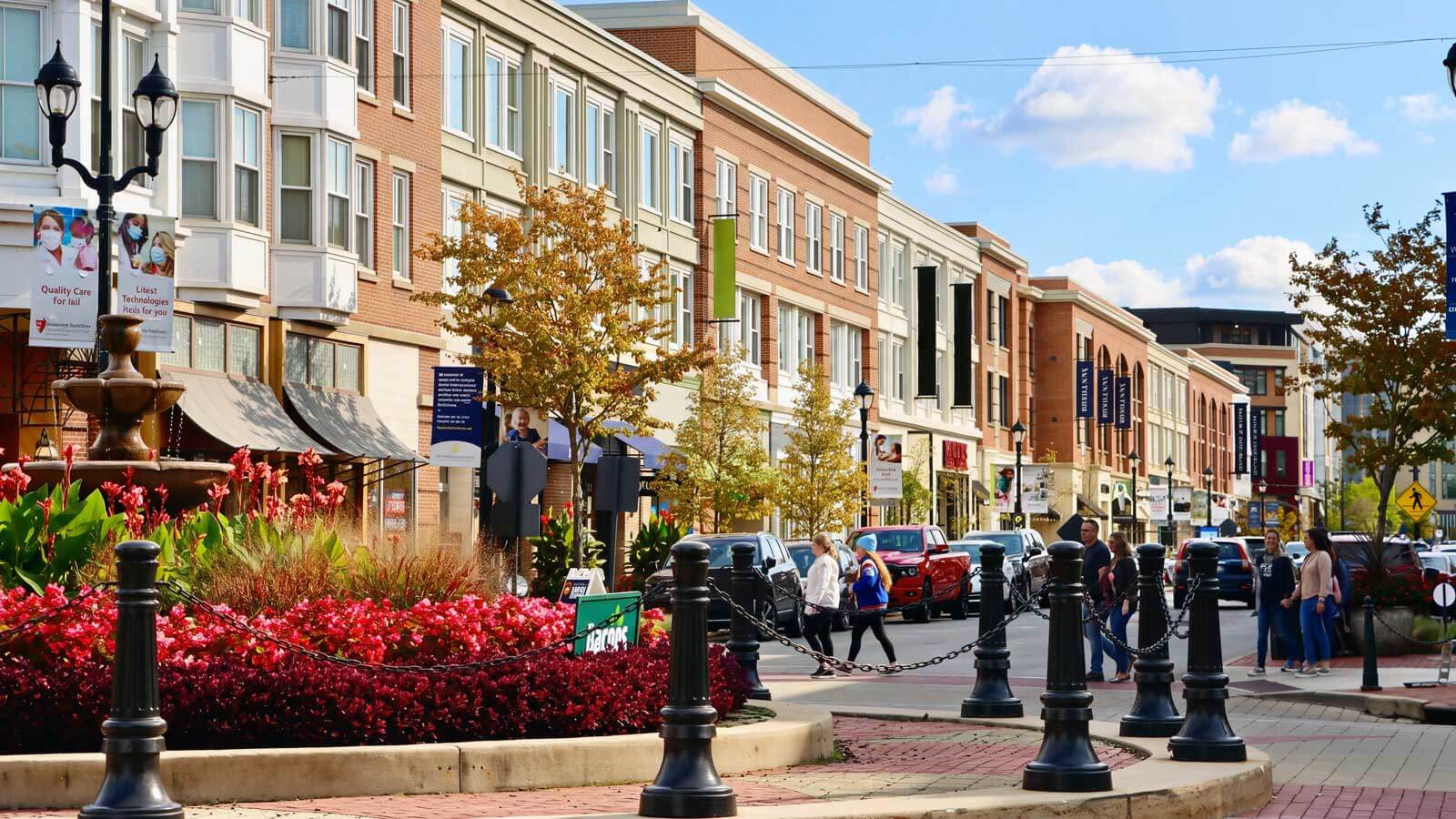
Many residents choose to live in Westlake near the hospital. Crocker Park is a popular destination for food, shopping, and entertainment in Westlake. Other residents choose to commute from more urban settings such as downtown Cleveland or Ohio City; this commute is approximately 25 minutes. These areas are popular and allow for walkable activities including professional sports, arts, and a wide variety of bars and restaurants.
[Discover Westlake] [Explore Cleveland]
- How is your curriculum structured?
-
We follow a ‘6+2 model’ which means that each resident will have six weeks of rotations followed by 2 weeks of continuity clinic. Most rotations are scheduled in 2-week blocks, with the exception of inpatient Internal Medicine and Critical Care, which are scheduled for 4-week blocks to enhance continuity.
The goal of our curriculum design is to provide as much flexibility as possible while ensuring residents gain the clinical exposure needed to become confident and competent internists. Our rotations are divided into three main categories: required rotations, selectives, and electives.
Required rotations are scheduled within specific training years as part of the core curriculum. Selectives must be completed by the end of the three years of training but can be scheduled in any order, allowing residents to tailor their experience and explore areas of interest. Electives offer additional flexibility and may include clinical or non-clinical experiences that align with each resident’s individual goals.
- How are inpatient medicine rotations structured?
-
We have two inpatient medicine teams - the Blue Team and the Green Team. Inpatient rotations are typically scheduled in 4-week blocks (up to a maximum of 6 weeks) and generally consist of approximately 3 weeks of day shifts and 1 week of night shifts.
Residents round with their attending each morning and have protected educational time from 12:00–1:00 PM, Monday through Friday. Afternoons are typically dedicated to following up on patient results, reassessing patients, completing documentation, and admitting new patients.
Each team alternates between short-call and long-call responsibilities. Residents on short-call accept admissions until 2:30 PM and may sign out and leave at 4:00 PM if all clinical duties are completed. The long-call team assumes responsibility for all admissions after 2:30 PM and provides sign-out to the night team, which arrives at 6:30 PM.
On average, interns work approximately 22 shifts per 28-day block, while senior residents average about 20 shifts per 28-day block.
- Do you have a short-call system?
-
Yes, we do! We have two teams on the inpatient medicine service, and each team will be assigned short-call or long-call. The assignment rotates between the two teams every day – so you can expect to be on short-call every other day. Our short-call team stops taking admissions at 2:30PM and signs out to the long call team at 4:00PM. The long call team takes all the admissions after 2:30PM and signs both teams out to the night team who arrive at 6:30 PM.
- What subspecialty rotations do you offer?
-
UH St. John Medical Center is a high-functioning, well-supported community-based hospital that offers a wide range of clinical experiences both on-site and within our Westlake ambulatory centers. These experiences include, but are not limited to, cardiology, pulmonology, interstitial lung disease clinic, rheumatology, endocrinology, anesthesia, interventional radiology, hematology and oncology, nephrology, gastroenterology and advanced endoscopy, allergy and immunology, geriatrics, and infectious disease.
For residents interested in additional subspecialty exposure, rotations can also be arranged at our affiliated tertiary care center, UH Cleveland Medical Center. Examples of rotations pursued there include, but are not limited to, hepatology, bone marrow transplant, heart failure, ultrasound, dermatology, gynecologic oncology, and critical care.
Most subspecialty rotations provide a combination of inpatient and outpatient experience, although the exact structure varies by specialty.
- Do you have dedicated education time?
-
Yes, residents have protected educational time Monday through Friday from 12:00–1:00 PM. Our didactic curriculum is aligned with the ABIM Blueprint to ensure comprehensive coverage of core internal medicine topics.
Most sessions are led by attending physicians, though we also encourage resident-led teaching. By the end of training, we want each resident to feel confident leading educational sessions and teaching their peers. All resident-led sessions are supported by an attending physician, who is present to provide feedback and supplement discussion as needed.
- Tell me more about the on-site simulation lab.
-
We received a generous donation from the Westshore Osteopathic Foundation to develop an on-site simulation lab. Our simulation center opened in March 2025, and we have continued to expand and enhance the simulation experience since its launch.
Our simulation lab features a SimMan with point-of-care ultrasound (POCUS) capabilities, along with a variety of procedural task trainers.
Prior to the opening of our on-site lab, our residents participated in simulation experiences on a quarterly basis. Currently, we offer monthly simulation sessions led by our Simulation Director, Dr. Pensiero. In addition, we offer dedicated procedure labs and simulation-based didactics to further support hands-on learning.
- What do most residents do after residency?
-
We generally have a mix of residents pursuing fellowship, hospital medicine, and primary care. Each class has varying interests which are reflected in their career choices post training.
Looking back at the past five years, we had ~46% of residents pursue hospital medicine, ~24% pursue primary care, and ~30% pursue fellowship.
- What wellness initiatives do you have?
-
All our team members have access to the UH Caregiver Support Program, which provides up to five phone or video counseling sessions per year with licensed counselors for you and eligible household members.
In addition to these confidential support services, residents benefit from robust wellness initiatives that include on-campus and off-campus social and wellness events throughout the year, opportunities to participate in our annual Resident Morale Week focused on appreciation and community-building, and regular town hall meetings that provide a safe forum for open dialogue and anonymous feedback. These offerings are designed to promote connection, well-being, and a supportive environment.
- What is your board pass rate?
-
Our board pass rate is great, although we are always aiming for better. Our three-year rolling average for first time board pass rate is 88%, which exceeds the national average first time pass rate of ~86%.
Live Well. Train Well.
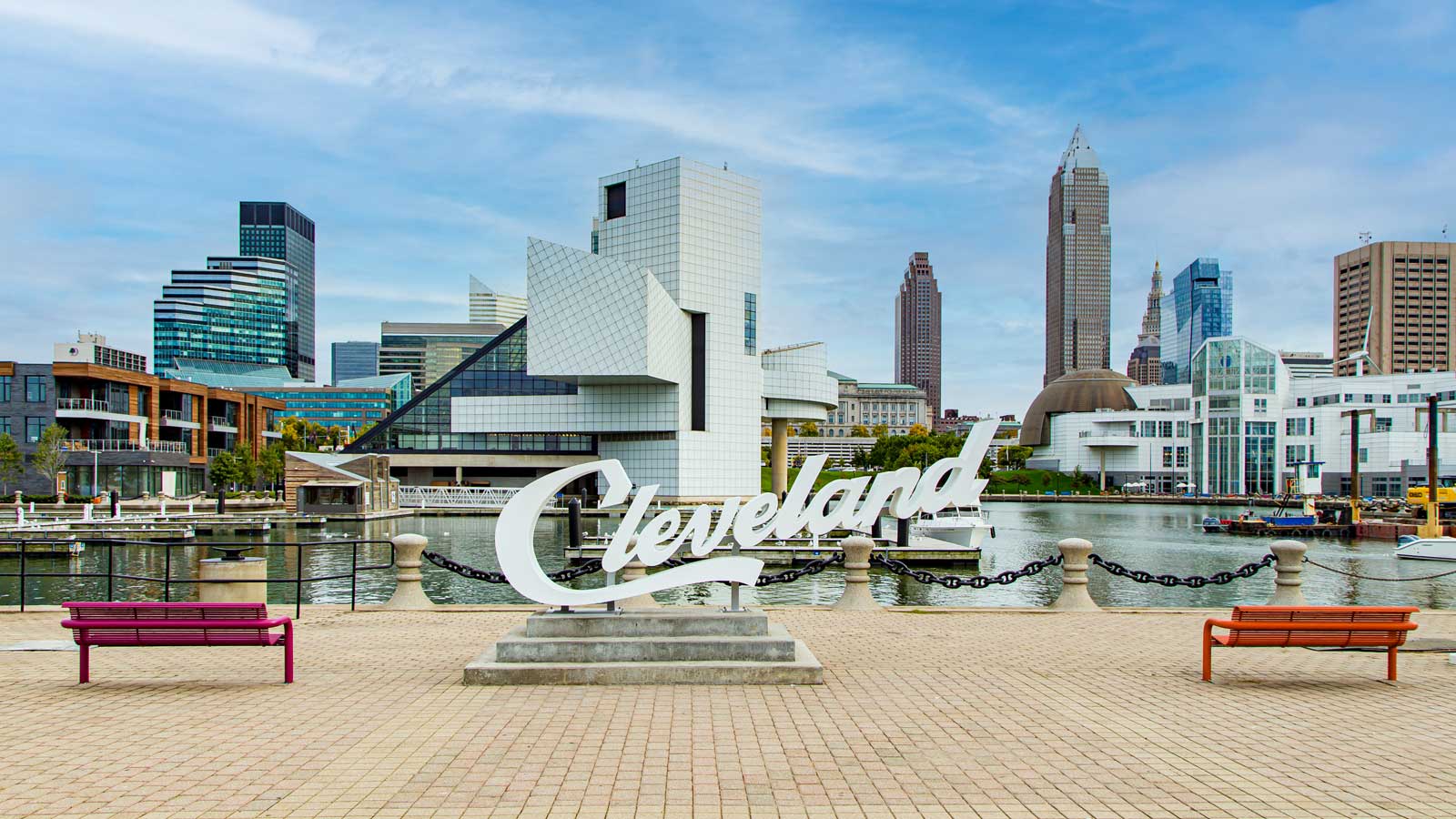
UH St. John Medical Center is located in Westlake, one of Northeast Ohio's most livable suburbs, minutes from everything Cleveland has to offer.