


Leading Immunology Research to Transform Patient Care
The Department of Pathology at University Hospitals is advancing immunology research to better understand, harness and regulate the immune system to improve patient outcomes across a wide spectrum of diseases. By integrating cutting‑edge approaches in immunology, molecular biology, microbiome science and precision medicine, our investigators are uncovering the mechanisms that drive immune dysfunction and translating these discoveries into the next generation of therapies.
From identifying novel drug targets to developing vaccines, cellular therapies and immune‑based treatments, our research programs move medicine beyond symptom management toward addressing disease at its root – within the immune system itself. Together, these efforts are shaping a future of more precise, personalized and effective care for patients with immune‑mediated and inflammatory disorders.
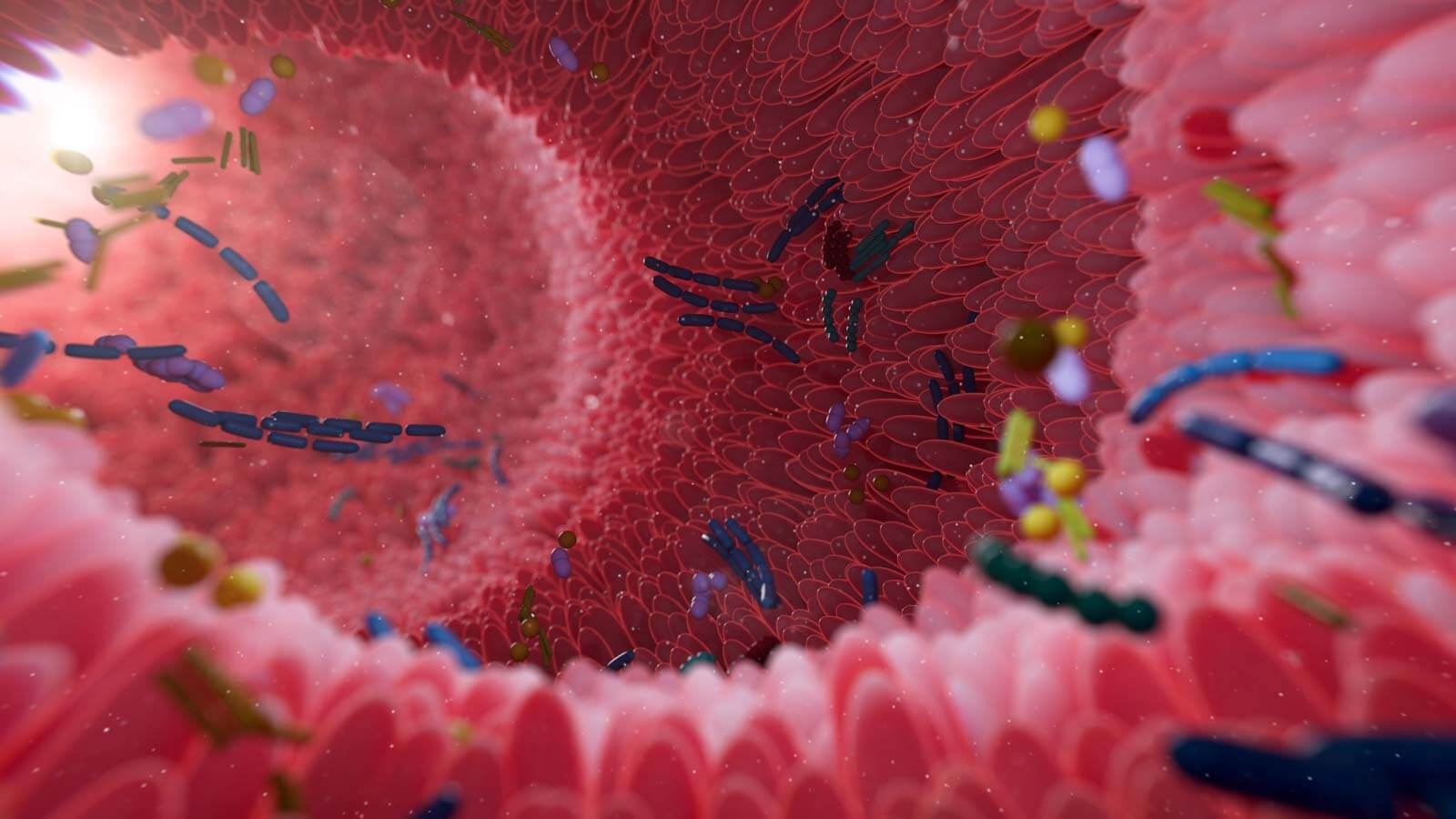
Mucosal Immunology, Barrier Biology and the Microbiome
University Hospitals researchers are uncovering how immune responses at the body’s barrier surfaces, particularly the gut, oral cavity and reproductive tract, shape health and disease. These mucosal tissues are constantly exposed to microbes, environmental stressors and injury, making effective immune regulation essential for maintaining barrier integrity and preventing chronic inflammation.
A major focus of this research is understanding how epithelial cells and barrier associated proteins actively regulate immune responses. Rather than functioning as passive protective layers, epithelial cells can sense stress, injury or microbial imbalance and communicate directly with the immune system through inflammatory signals, extracellular vesicles and cytokines. Disruption of these interactions can drive chronic inflammatory diseases such as inflammatory bowel disease and ulcerative colitis.
Researchers are also investigating how the microbiome interacts with mucosal immunity across multiple organ systems. Studies of the gut, vaginal, oral and reproductive microbiomes are revealing how microbial composition and immune recognition influence disease susceptibility, inflammation, cancer risk, fertility and treatment outcomes. By identifying immune–microbial signatures associated with protection or pathology, this work aims to inform new preventive, diagnostic and therapeutic strategies that restore balance at barrier surfaces.
Inflammation, Innate Immunity and Immune Dysregulation
A core strength of the immunology research program at University Hospitals lies in uncovering the fundamental mechanisms by which the innate immune system detects danger and drives inflammation. This research examines the molecular pathways that initiate immune responses, regulate cytokine release and control inflammatory cell death. These processes are essential for host defense but can cause tissue damage when they become dysregulated.
Our researchers are examining inflammasome signaling and the activity of gasdermin proteins that control highly inflammatory outcomes such as pyroptosis, as well as alternative, non‑destructive pathways that allow immune cells to release inflammatory signals without dying. Understanding how cells choose between these distinct modes of immune activation is critical for identifying new ways to control harmful inflammation without suppressing protective immunity.
Insights from this work have broad relevance across autoimmune disorders, chronic inflammatory diseases, infections and neuroinflammatory conditions. By defining the molecular switches that regulate immune activation, our research provides a foundation for developing targeted therapies that precisely modulate inflammation at its source.

Vaccines, Infectious Disease Immunology and Immune Protection
Researchers at University Hospitals are contributing to global efforts to prevent and control infectious diseases by studying how durable immune protection is generated and maintained. This research focuses on antibody‑mediated immunity, immune memory and the mechanisms that determine whether exposure to a pathogen result in infection, severe disease or long‑term protection.
Our research in this area includes advancing antibody‑based strategies and vaccine development for pathogens such as malaria, as well as characterizing immune responses to emerging infectious diseases like COVID‑19. By identifying immune markers associated with effective and long‑lasting protection, UH researchers are helping to guide the design of next‑generation vaccines and immune‑based therapies that are more durable and resilient to viral variation.
This research strengthens preparedness for future infectious disease threats and supports the development of interventions that protect vulnerable populations worldwide.
Precision Immunology and Transplant Science
University Hospitals investigators are advancing precision immunology approaches to improve outcomes for patients undergoing organ transplantation. This research focuses on how adaptive immune responses, particularly those driven by B cells and antibodies, determine whether a transplanted organ is accepted or rejected.
UH researchers are working to distinguish immune pathways that promote rejection from those that support long‑term graft tolerance. By characterizing donor‑specific immune responses and identifying biomarkers associated with transplant success or failure, this work seeks to improve early detection of rejection and guide more personalized immunosuppressive strategies.
Genetic research is also a key component within this area. By studying how inherited variations in immune‑related genes influence transplant risk, investigators aim to integrate genetic and immune profiling into individualized transplant care. Together, these efforts are transforming how transplant patients are monitored and treated, with the goal of improving long‑term organ survival and patient quality of life.