


Leading Global Health Research to Reduce Disease Burden Worldwide
University Hospitals conducts innovative global health research focused on infectious diseases, immune regulation and health disparities. Through international collaboration and the application of cutting‑edge technologies, our research aims to develop new diagnostics, treatments and prevention strategies that improve health outcomes for high‑risk populations worldwide.
Understanding Immune Tolerance in Asymptomatic Malaria
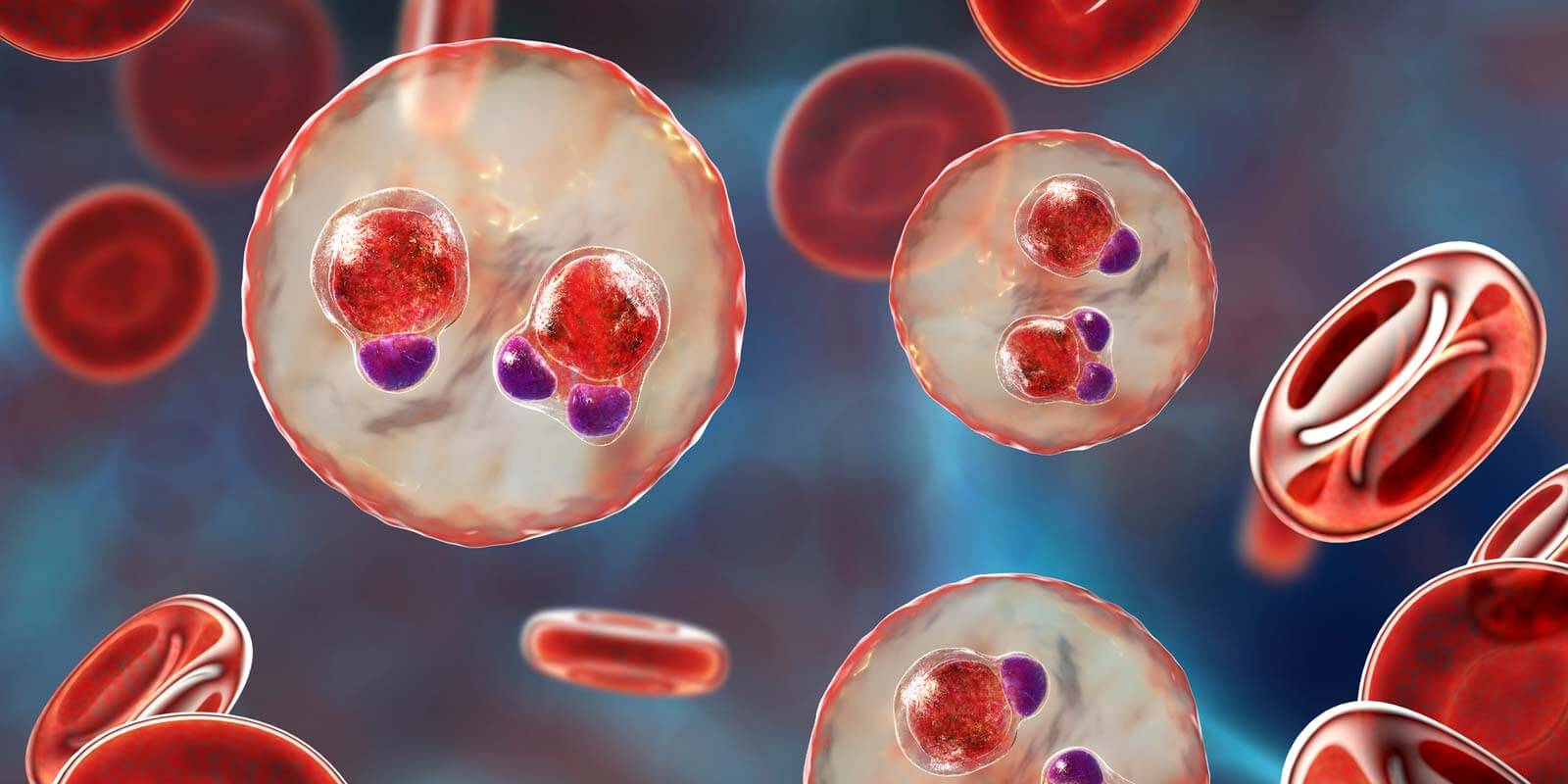
In parts of sub Saharan Africa, many school age children carry high levels of Plasmodium falciparum without developing symptoms. These asymptomatic infections represent a significant reservoir for malaria transmission, yet the immune mechanisms that allow parasites to persist without causing illness remain poorly understood.
University Hospitals researchers are studying how epigenetic changes in immune cells, such as monocytes, along with regulatory pathways involving IL 10 and Tr1 cells, suppress inflammation and promote immune tolerance. This research seeks to identify the immune and genetic signatures associated with asymptomatic malaria, with the goal of informing new strategies to disrupt transmission and support global malaria control and eradication efforts.