


Sleep Medicine Research Areas
Research Provides Insight into Breathing Mechanics, Enhances Diagnosis and Treatment of Sleep Disorders
Physicians and scientists in sleep medicine at University Hospitals are involved in a wide spectrum of industry-sponsored and National Institutes of Health-funded studies to develop and validate new diagnostic technologies, treatment devices, and medical therapies for the amelioration of sleep disorders.
The scope of our research consists largely of clinical trials and basic research into respiratory control mechanisms, in collaboration with the Pulmonary Care Division and the Case Western Reserve University School of Medicine and School of Nursing. Additionally, our researchers work with sleep experts from Cleveland’s MetroHealth System and the Louis Stokes Cleveland Department of Veterans Affairs Medical Center, VA, in addition to other national and international researchers, to further the science of sleep medicine.
Throughout our sleep medicine program, basic and clinical research raises the bar for everything we do, from advancing the field to providing patients with the latest, most efficacious options for treating sleep disorders.

Control of Breathing
For over 20 years, the Control of Breathing Research Group has led studies on the genetic and neural mechanisms that regulate respiration. Current projects explore how genetic variation influences ventilatory patterns in rat models through advanced QTL mapping. Our team also studies the development of sleep patterns and uses multi-neuronal recording to understand how pontine networks coordinate breathing. Ongoing collaborations investigate how CPAP therapy affects brainstem regulation of respiration and heart function, along with research into the mechanisms and clinical implications of respiratory variability.

Wearable Devices
A rapidly expanding area of sleep research focuses on wearable technologies that monitor, analyze and transmit physiological data remotely from patients to healthcare systems. Researchers at University Hospitals are evaluating the design, functionality and diagnostic accuracy of these devices in identifying obstructive sleep apnea (OSA). By comparing wearable-derived data to standard in-lab polysomnography, the team aims to assess their potential as cost-effective alternatives to traditional sleep studies.
Current clinical trials are testing the latest generation of wearable platforms, such as the Belun Ring and Belun Cor, which integrate advanced deep-learning algorithms for OSA detection. These studies also explore the ability of wearables to identify cardiac arrhythmias, assess baseline sleep biomarkers linked to CPAP adherence, and determine how much sleep data is required for an accurate diagnosis in home settings. The research further evaluates emerging AI-based OSA screening tools developed by global collaborators, advancing efforts to make sleep diagnostics more accessible and precise.
Device and Therapeutic Studies
New diagnostic and therapeutic technologies are transforming the identification and treatment of sleep disorders, increasing the ease and accuracy of diagnosis, and expanding the range of clinical options for patients wrestling with disruptive and frustrating sleep issues. In this rapid-moving realm of medicine, sleep experts at University Hospitals study and validate high-tech devices they believe will be most useful and impactful in diagnosing patients, giving them greater access to the most advanced care.
Identifying New Treatments to Improve Clinical Effectiveness of Sleep Apnea
Researchers at University Hospitals are advancing innovative approaches and technologies for the treatment of obstructive sleep apnea (OSA). Their goal is to expand therapeutic options and improve patient adherence by developing effective alternatives to continuous positive airway pressure therapy.
The Sleep Center has played a leading role in the study and development of neurostimulation therapies, including hypoglossal motor stimulation, an upper airway stimulation technique used to treat moderate to severe OSA. Ongoing research builds on this foundation to refine current interventions and design next-generation solutions that allow patients and providers to choose the most effective, personalized treatment strategies.

Neurostimulation for Sleep Apnea
University Hospitals is the only health system in Northeast Ohio participating in the OSPREY randomized clinical trial of LivaNova’s aura6000™ system, designed to stimulate both protruders and retractors at multiple points along the tongue. This study aims to evaluate the safety and effectiveness of a new aura6000® hypoglossal stimulation system. The randomized “Treating Obstructive Sleep Apnea using Targeted Hypoglossal Neurostimulation” (OSPREY) trial seeks to demonstrate the safety and effectiveness of the LivaNova aura6000™ System. This implantable hypoglossal neurostimulator is intended for adult patients with moderate to severe obstructive sleep apnea, who do not achieve results with CPAP or have declined its use. The OSPREY system does not require the use of masks or hoses and is less invasive than other available OSA therapies.
Recently published early results from OSPREY find aura6000 safe and with similar effectiveness as current treatment. Now, the study’s focus is on implanting additional patients to confirm findings prior to filing for FDA approval.
New Device to Treat Central Sleep Apnea
Our sleep experts advanced the development of a new device to treat central sleep apnea (CSA), the repeated starting and stopping of breathing during sleep. The device, remedē System, was recently approved by the FDA for clinical use. Our Sleep Center is among the few programs nationwide to offer the remedē System, the first non-mask therapy designed to treat moderate to severe CSA in adults. The Remedē system is an implantable device that activates automatically and restores a more normal breathing pattern to treat CSA without a mask or medications to help patients sleep more peacefully. Sleep Center physicians implanted their first patient with the device in December 2023.
SynAIRgy Obstructive Sleep Apnea Study
Researchers at University Hospitals are leading multidisciplinary studies to evaluate emerging oral therapies for obstructive sleep apnea and to deepen understanding of how sleep disorders contribute to broader health conditions, including cardiovascular disease.
University Hospitals is among a select group of national sites participating in the SynAIRgy trial, a randomized, double-blind, placebo-controlled, six-month study assessing the efficacy and safety of AD109, a fixed-dose combination of aroxybutynin and atomoxetine. AD109 is a first-in-class, once-daily, investigational therapy designed to activate upper airway dilator muscles and maintain airway patency during sleep. If proven effective, it could become the first oral nighttime treatment for OSA patients who are unable or unwilling to use continuous positive airway pressure therapy.
Additional collaborations with the Division of Cardiology are exploring the potential of Ozempic® in managing sleep apnea and examining the relationship between circadian health and cardiovascular outcomes.
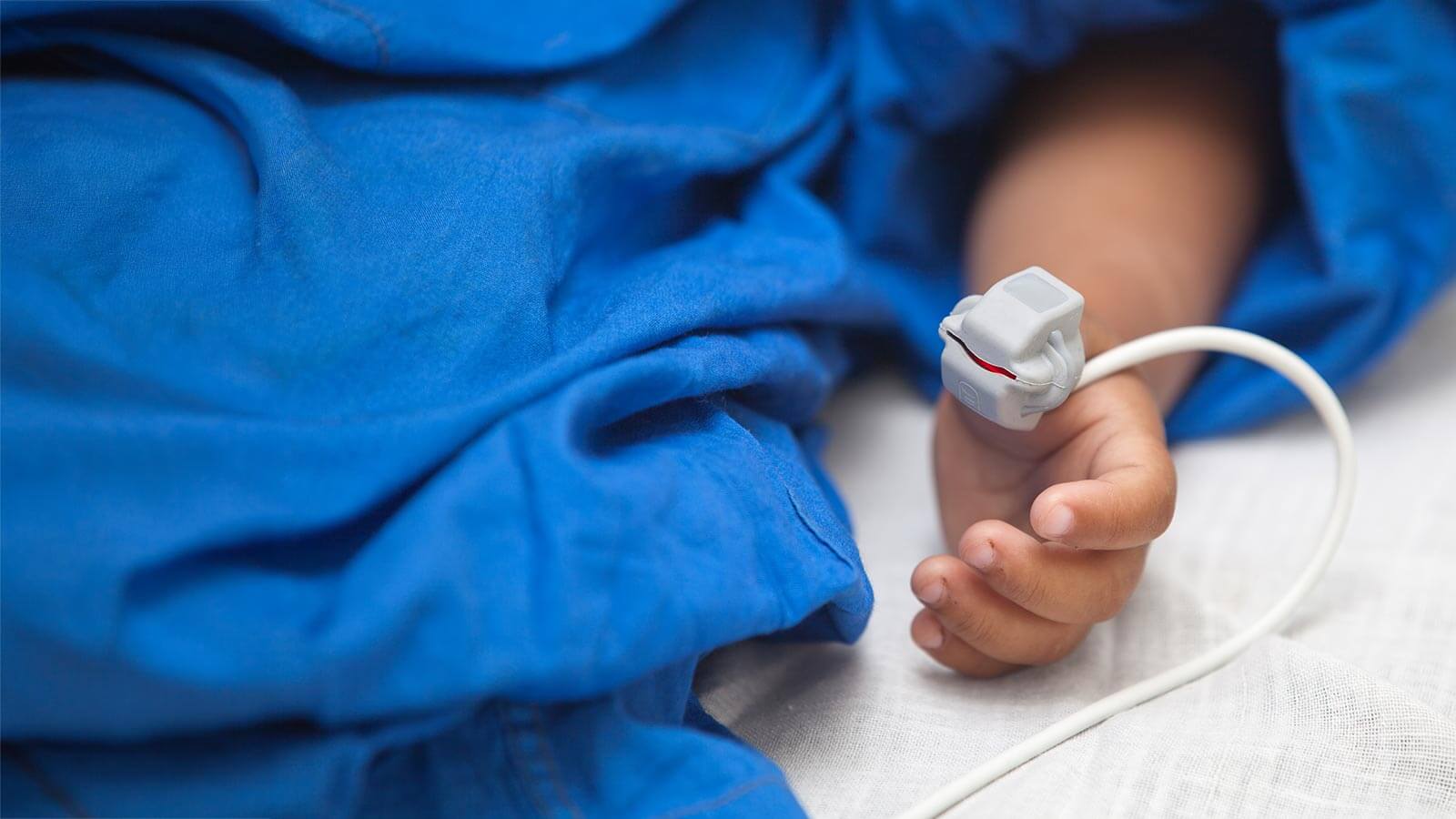
Pediatric Sleep Medicine Research
Researchers at University Hospitals Rainbow Babies & Children’s are advancing pediatric sleep medicine through studies focused on improving the understanding, diagnosis and treatment of sleep disorders in children. Explore current areas of investigation and research opportunities through the Pediatric Sleep Medicine Research program.
Hypersomnia & Narcolepsy
Researchers at University Hospitals are helping advance the development of new therapies for hypersomnia and narcolepsy through participation in multicenter clinical trials evaluating novel approaches to improving wakefulness, daytime functioning and quality of life.
Our physician-investigators have contributed to major national and international studies, including the REVITALYZ™ and REFRESH clinical trial programs, as well as research evaluating emerging orexin-targeted therapies. These investigational treatments are designed to address the underlying neurological mechanisms that regulate sleep and wakefulness, with the goal of expanding therapeutic options for patients living with central disorders of hypersomnolence.
Long Covid & Sleep
National NIF-Funded Study to Understand and Treat the Effects of Long Covid on Sleep
University Hospitals is participating in the National Institutes of Health’s Researching COVID to Enhance Recovery (RECOVER) initiative, a nationwide effort to better understand, treat, and prevent the long-term effects of COVID-19.
As part of the RECOVER-SLEEP study, UH researchers are testing interventions for individuals who experience sleep disturbances following COVID-19 infection. Ongoing trials include one focused on hypersomnia, or excessive daytime sleepiness, evaluating two wakefulness-promoting medications, and another exploring treatments for insomnia to improve sleep quality and regulation in adults with long COVID.
Health Disparities & Sleep
Health Disparity Studies in the Diagnosis and Treatment of Sleep Disorders
To improve the detection, diagnosis and treatment of sleep disorders, researchers at University Hospitals are investigating barriers that prevent timely identification and management of these conditions. Their work focuses on developing better screening methods to identify high-risk individuals early, enabling prompt diagnosis and effective treatment. Proper management of sleep disorders can significantly reduce associated medical complications and enhance overall quality of life.
Current research includes efforts to automate a screening tool for sleep apnea using data from electronic medical records. This technology is designed to flag patients at high risk, prompting clinicians to initiate screening and, when appropriate, refer patients to specialized care. By enhancing early detection and intervention, these initiatives aim to reduce the burden of co-morbidities linked to sleep disorders, including heart disease, stroke and heart failure.