


Forensic Psychiatry Fellowship Education & Training
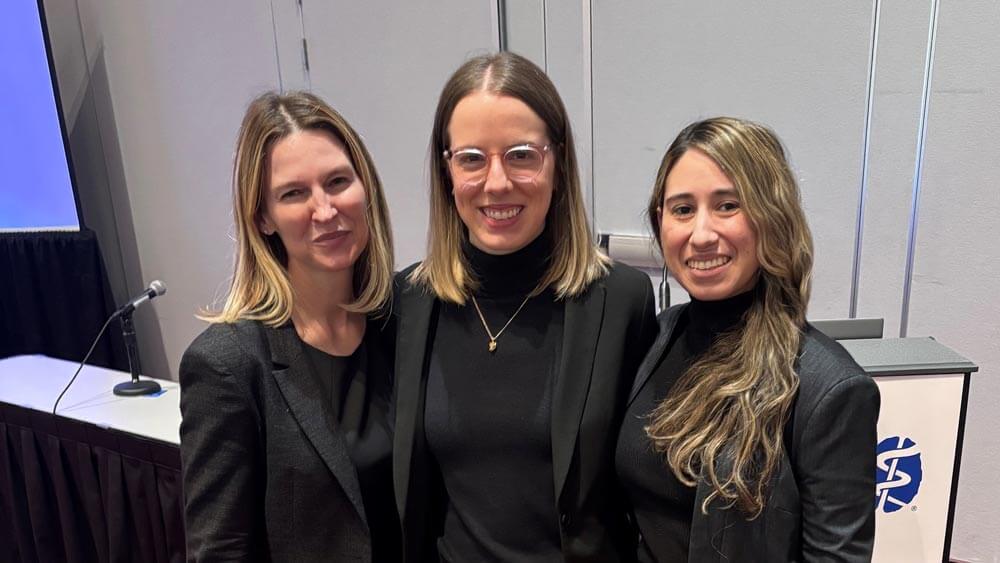
The Forensic Psychiatry Fellowship program consists of one year of didactic study and supervised clinical experience working in the area of law and psychiatry. A concentration in child forensic psychiatry is available. Four fellowship positions are available each year.
During the year-long fellowship program, opportunities for Forensic Psychiatry fellows include:
Clinical Rotations
Northcoast Behavioral Healthcare: Northcoast Behavioral Healthcare is a 280-bed regional hospital affiliated with the Ohio Department of Behavioral Health. Forensic psychiatry fellows spend a substantial amount of their time during the week here, generally up to four half-days, rotating with faculty members and completing psychiatric evaluations and consultations primarily for criminal justice patients. Forensic evaluations include competence to stand trial, sanity at the time of the act, civil commitment, involuntary treatment, conditional release, violence risk assessment, and assessment of malingering.
Cuyahoga County Court Psychiatric Clinic: At the Court Psychiatric Clinic of the Cuyahoga County Court of Common Pleas, fellows have the opportunity to complete evaluations and reports pertaining to defendants involved in felony criminal matters. Generally, fellows spend one half-day at the Court Clinic completing forensic evaluations, including competence to stand trial, sanity at the time of the act, psychiatric factors in the offense, mitigation of penalty, commitment, and mental health court eligibility.
University Hospitals Emergency Psychiatry Services: Under the supervision of our Program Director, each fellow spends one half-day during a three-month period performing forensic psychiatry consultations in University Hospitals’ Emergency Department. Evaluations include emergency hospitalization/commitment, involuntary treatment, duty to protect, and suicide/violence risk assessment.
Summit County Jail: During one half-day per week for half of the year fellows rotate at the Summit County Jail in Akron where they complete consultations and evaluations for criminal justice patients.
Forensic Psychiatry Consultation Service: Forensic fellows perform forensic psychiatry consultations to inpatient psychiatry services at University Hospitals of Cleveland. Evaluations typically include suicide/violence risk assessment, commitment, involuntary treatment and duty to protect.
Didactics
Fellows participate in an extensive 48-week didactic seminar, which in a given week typically includes a 90-minute lecture on core topics in forensic psychiatry and a two-hour detailed study of landmark mental health law cases. Broken into topics, two to five cases are discussed in detail each week. In total, fellows master the more than 100 landmark mental health law cases.
Law Courses
During both the Fall and Spring semesters, forensic psychiatry fellows enroll in Law and Psychiatry courses at Case Western Reserve University School of Law and at University of Akron School of Law. Both courses focus on the interaction between mental health and the legal system. Classes are held one evening each week and are taught by our faculty members.
Mock Trials
Forensic psychiatry fellows participate in forensic case conferences and mock trials, serving as expert witness, direct examiner and cross-examiner. Mock trials are generally held twice a month, with involvement from our faculty, as well as virtual collaboration with fellows and faculty at other forensic psychiatry fellowship programs. Detailed instruction is given on delivering effective direct testimony and successfully navigating cross examination.
Supervision
One morning each week is dedicated to fellow supervision completed by a faculty member. This block of time offers the opportunity for fellows to discuss forensic cases, report writing, career development, publishing, teaching, research, and landmark cases.
Student Lectures
Throughout the year-long program, fellows will deliver suicide risk assessment and violence risk assessment lectures for medical students enrolled at Case Western Reserve University. Presentations occur once a month, generally on Friday mornings.
Private Practice
Fellows participate in forensic psychiatric evaluations from faculty members’ forensic practices, which cover a wide variety of topics in forensic psychiatry including evaluations referred by defense and plaintiff attorneys, courts, prosecutors, public defenders, insurance companies, hospital credentialing/privileging committees, and state licensing boards.
Additional forensic psychiatry training activities include:
- Forensic Psychiatry journal club
- Research projects
- Grand Rounds
- Publishing
- Presenting forensic psychiatry workshops at the American Psychiatric Association and American Academy of Psychiatry and the Law annual meetings
Unique experiences the forensic psychiatry fellows attend include:
- Child Fatality Review
- Domestic Violence Fatality Review
- Homicide Review Team
- Drug Court