


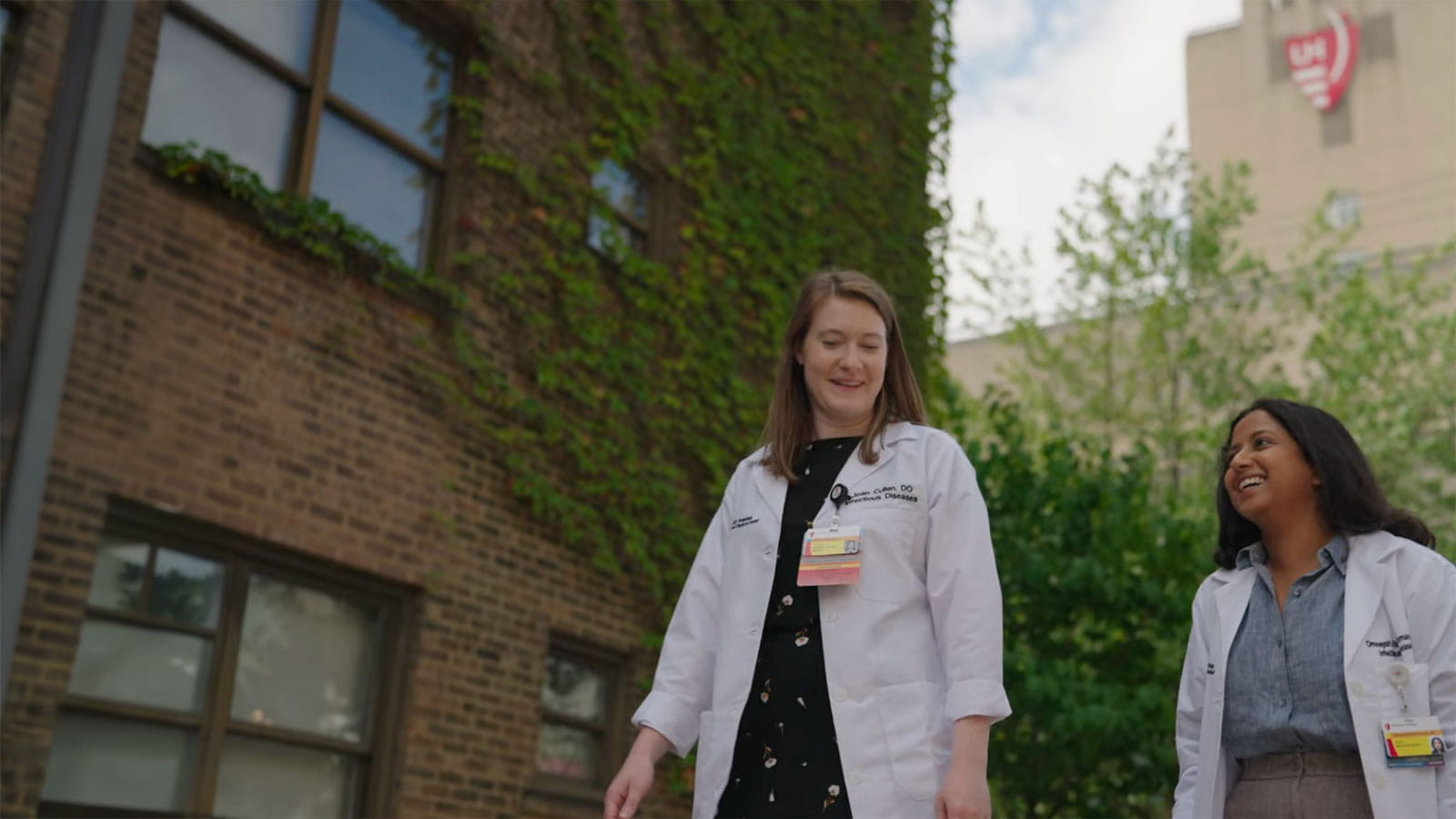
Infectious Disease Fellowship at University Hospitals Cleveland, OH
The Infectious Disease Fellowship at University Hospitals Cleveland Medical Center / Case Western Reserve University, MetroHealth and Louis Stokes Cleveland VA Medical Center, trains physicians for the full range of careers in infectious disease, from academic and research to antimicrobial stewardship to community clinical practice. Fellows train across three distinct clinical sites and learn from a program with a national reputation for research, all while receiving mentorship built around their individual career goals.
Quick Facts
- Program name: Case Western Reserve University/University Hospitals Cleveland Medical Center Infectious Disease Fellowship Program
- Sponsoring institution: University Hospitals Cleveland Medical Center
- Accreditation: ACGME-accredited | ACGME Program Number: 1463821154
- Program length: Two years | Positions: Four fellows per year
- Application: ERAS | Match: NRMP Medicine and Pediatric Specialties Match
- Board eligibility: American Board of Internal Medicine (ABIM)
Two-Year Fellowship Training in Infectious Disease
The Infectious Disease Fellowship is a two-year ACGME-accredited program based at UH Cleveland Medical Center, the Louis Stokes VA Medical Center, and MetroHealth Medical Center. Fellows rotate across all three sites, gaining exposure to a broad range of inpatient and outpatient infectious diseases, including HIV continuity of care, travel medicine, and infections in complex surgical cases and in transplanted and immunocompromised hosts, as well as infection control and antimicrobial stewardship. The training program is grounded in Case Western Reserve University (CWRU) School of Medicine's academic and research infrastructure, providing fellows with access to faculty mentorship and research opportunities as they develop clinically as infectious disease specialists.
ACGME Accreditation, ERAS and Match Participation
The ACGME-accredited Infectious Disease Fellowship (Program Number 1463821154) participates in ERAS for applications and in the NRMP Match for ranking and matching. Applicants apply and interview through the standard ERAS and NRMP timelines, with virtual interviews typically held in September and October.
Why Choose Our Fellowship?
Applicants choose this program for its national research reputation, clinical breadth across three hospital systems, and mentorship built around individual career goals.
Three Premier Training Sites
UH Cleveland Medical Center, Louis Stokes Cleveland VA Medical Center, and MetroHealth provide diverse and complementary clinical experiences.
Nationally Recognized Stewardship Excellence
All three training sites are designated IDSA Antimicrobial Stewardship Centers of Excellence and are supported by state-of-the-art pharmacy and clinical microbiology services.
Robust Research & Academic Infrastructure
Access the resources of three academic medical centers and Case Western Reserve University, with more than $10 million in active research funding focused on antimicrobial resistance, HIV/AIDS, and tuberculosis.
Comprehensive HIV Care Experience
Care for more than 2,500 persons living with HIV across our training sites, supported by dedicated pharmacists, nurses, mental health specialists, and social workers.
Broad Infectious Diseases Subspecialty Exposure
Gain experience in transplant infectious diseases, bone and joint infections, trauma, and infections related to advanced cardiovascular support devices.
Global Health & Renowned Research Opportunities
Train with internationally recognized programs in tuberculosis, HIV/AIDS, and antimicrobial resistance, with opportunities through the Uganda-CWRU Research Collaboration and the Roe Green Center for Travel Medicine and Global Health.
Why Train at UH?
Life in Cleveland
Fellowship Curriculum and Clinical Training
The infectious disease fellows train across three distinct clinical sites each offering a different lens on infectious disease care. The two-year core curriculum covers HIV, infections in transplant and immunocompromised hosts, infection control, antimicrobial stewardship and microbiology. Fellows also attend weekly didactics, case conferences and a journal club held in partnership with the Cleveland Clinic ID Fellowship Program, plus one half-day of continuity clinic each week dedicated to the care of persons living with HIV. Support is provided to attend a national conference during fellowship, such as IDWeek or CROI.

Subspecialty Training Opportunities
Beyond core infectious disease training, fellows gain concentrated exposure to some of the most complex subspecialty areas in the field:
- Transplant infectious disease, including stem cell and solid organ transplant
- Bone and joint infections, including prosthetic joint infections
- Trauma-related infections
- Infections associated with advanced cardiovascular support devices
- HIV medicine, including care for veterans and underserved populations
- Global health and travel medicine, through the Uganda-CWRU Research Collaboration
- Antimicrobial stewardship, at three IDSA-designated Centers of Excellence
A Research-Intensive Infectious Diseases Division
Fellows train in a program where research is a core part of daily training that reflects a long institutional commitment to the field. Program faculty hold more than $10 million in active funding for basic, translational, and clinical research centered on antimicrobial resistance, HIV/AIDS, and tuberculosis. Fellows have access to research opportunities and mentorship across three academic medical centers and Case Western Reserve University, including premier HIV research programs such as the AIDS Clinical Trials Unit and the Center for AIDS Research (CFAR).
Fellows interested in an academic career can pursue an additional third year of fellowship with protected research time, funded through the Division's endowment, a T32 award from the Clinical and Translational Science Collaborative of Northern Ohio, or the VA Geriatric Research Education and Clinical Center (GRECC).

Faculty Mentorship and Fellow Support
Dedicated Faculty Mentorship
Fellows train alongside more than 30 clinical, education and research faculty across Cleveland's academic medical centers, affiliated with Case Western Reserve University School of Medicine, a highly ranked medical school in Ohio and the state's largest biomedical research institution. At each training site, faculty work alongside dedicated ID pharmacists, nurses, and other healthcare professionals, so fellows learn within a fully interprofessional model of care rather than working in isolation. The program's approach centers on individualizing each trainee's goals, so faculty support is shaped around the fellow's own path, whether that's academic medicine, clinical practice or research.
The Program Director and Associate Program Directors take a strong interest in each fellow's development. Shortly after beginning the program, first-year fellows receive guidance on selecting a scholarly project to pursue over their 2 years of fellowship, under the mentorship of a faculty member. Through frequent follow-up sessions with the Program Director and Associate Program Directors, the goal is to strengthen fellows' connections with faculty working in their area of professional interest and to cultivate their scholarly activity and research projects. There is flexibility, as interests may change and other types of career mentors may arise during fellowship training. Additionally, each fellow has a faculty preceptor for their half-day continuity clinic, whom they meet weekly. The preceptor serves as an adviser to help guide professional development and career planning.
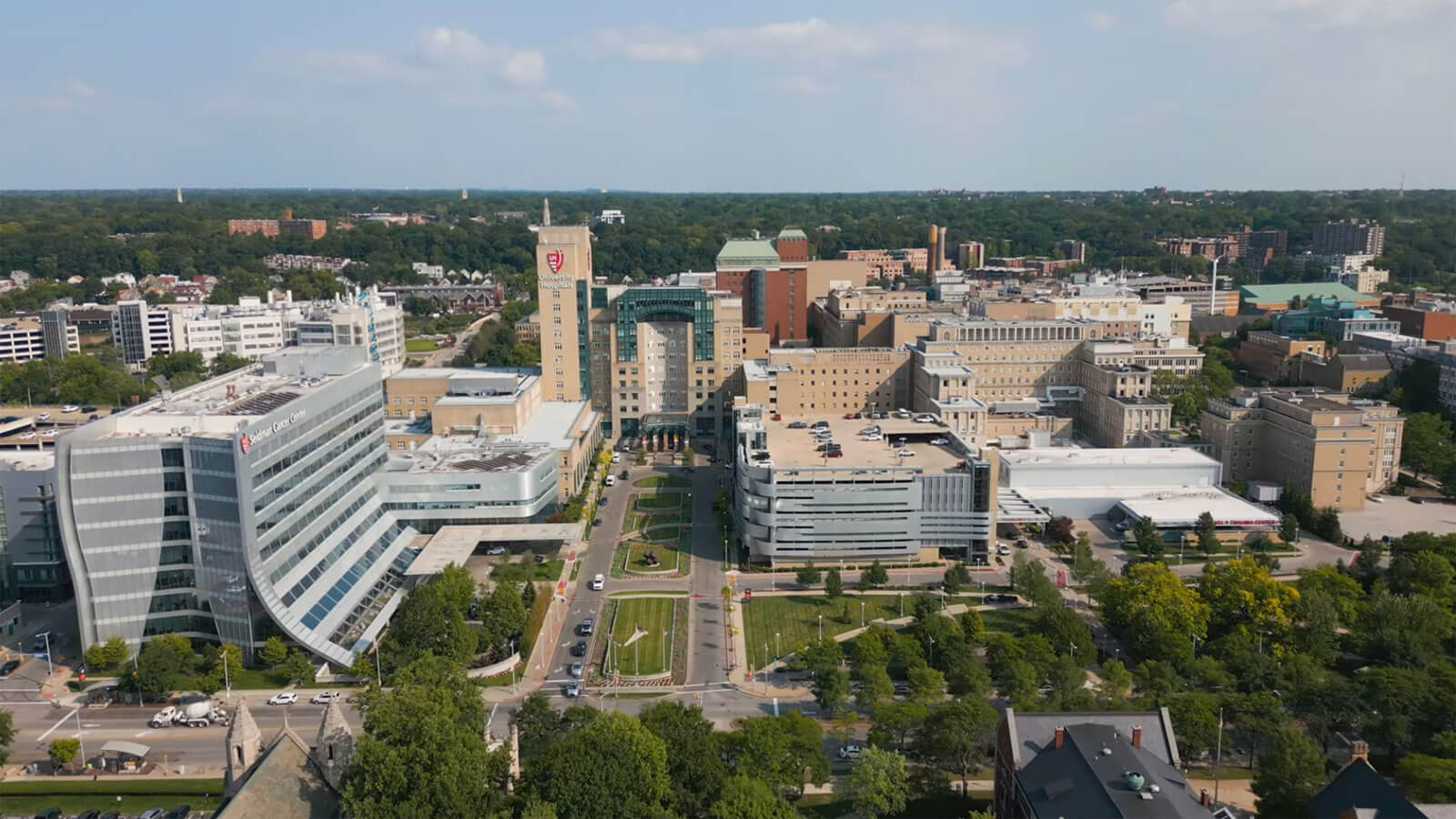
Training in Cleveland, Ohio at an Academic Medical Center
Cleveland is a nationally recognized academic medical hub and an exceptional city for advanced medical training. Fellows train at three of Cleveland's major academic health systems affiliated with Case Western Reserve University School of Medicine. Training across these institutions provides fellows with access to a broader clinical and research community than most programs can offer, while remaining in an affordable metro area for high-quality day-to-day life.
Taking advantage of the city's concentration of major academic medical institutions, fellows share a didactic program with the Cleveland Clinic Infectious Disease Fellowship, bringing fellows and faculty together for journal club on infectious diseases throughout the academic year.
Living in Cleveland During Fellowship
Beyond training, Cleveland offers a high quality of life at a cost of living well below that of cities with comparable academic medical centers. Fellows find charming, walkable neighborhoods like Tremont and Ohio City, as well as options for downtown living and close to the hospitals, restaurants representing every cuisine, world-class music, theater, arts and culture, professional sports, and easy access to Lake Erie, Cuyahoga Valley National Park, and the Metroparks system. It is a city where it is easy to build a complete and balanced life, whether arriving solo, with a partner or with a family.
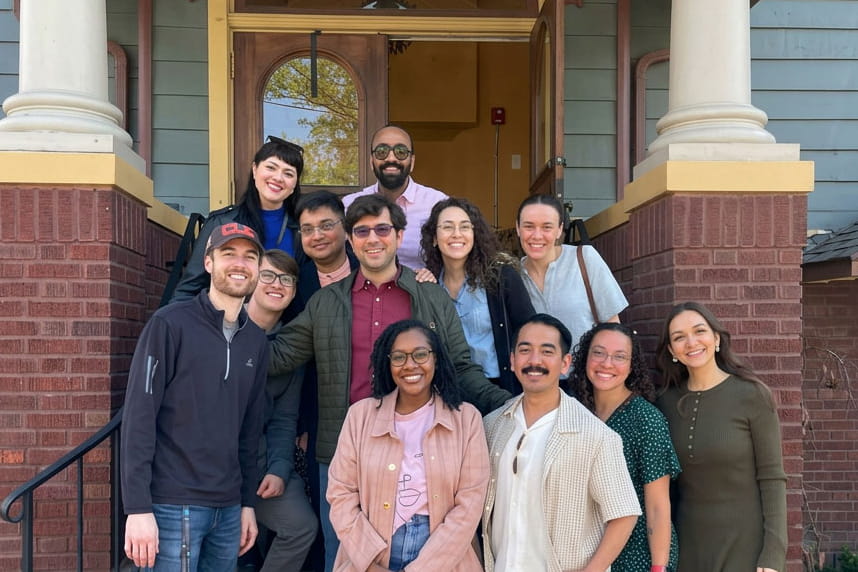
Current Fellows and Alumni Outcomes
Current fellows come from across the country and around the world, reflecting the program's robust reputation, built on the quality of its teaching hospitals, its research prowess, its IDSA-recognized stewardship programs, the excellence of its faculty, and its openness to considering strong candidates regardless of where they trained. The program accepts applications from international candidates holding J-1 or H-1B visa status.
Graduates of the program have pursued a range of careers as experts in clinical and translational research, infection control, antimicrobial stewardship, and medical education, as well as respected clinicians in both academic and community settings.
How to Apply to the Infectious Disease Fellowship
The UH / CWRU Infectious Disease Fellowship participates in ERAS and the NRMP Match. Applications are received starting in July, with interviews conducted in September and Match results announced in November. The program supports applicants on J-1 and H-1B visas.
Frequently Asked Questions About the Infectious Disease Fellowship
- How long is the fellowship?
-
The program is two years long to meet the ACGME requirements for Infectious Diseases training. There are opportunities for select fellows to pursue additional training in research funded by the T32 award from the Clinical and Translational Science Collaborative of Northern Ohio or the VA Geriatric Research, Education, and Clinical Center (GRECC).
- Where does training take place?
-
Fellows train across three sites in the Cleveland area: UH Cleveland Medical Center, the Louis Stokes VA Medical Center, and MetroHealth Medical Center.
- Does this fellowship include HIV training?
-
Yes. Fellows attend a weekly HIV-dedicated continuity clinic and can participate in premier HIV research programs, including the AIDS Clinical Trials Unit and the Center for AIDS Research.
- Does the program offer training in antimicrobial stewardship?
-
Yes. All three training sites are designated Antimicrobial Stewardship Centers of Excellence by IDSA.
- Does the program offer subspecialty training, such as transplant infectious disease?
-
Yes. Fellows gain exposure to subspecialty areas including transplant infectious disease, bone and joint infections, trauma-related infections and infections associated with advanced cardiovascular support devices.
- Is there a strong research component?
-
Yes. Program faculty hold more than $10 million in active research funding in antimicrobial resistance, HIV/AIDS and tuberculosis, and fellows can access research infrastructure at three academic medical centers and Case Western Reserve University.
- Is there an option to extend fellowship for additional research training?
-
Yes. Fellows interested in an academic career can pursue an additional third year of fellowship with protected research time, funded through the Division's endowment, a T32 award from the Clinical and Translational Science Collaborative of Northern Ohio, or the VA Geriatric Research Education and Clinical Center (GRECC).
- Does the program offer global health training?
-
Yes. Fellows have access to global health opportunities through the Uganda-CWRU Research Collaboration and the Roe Green Center for Travel Medicine and Global Health.
- Where do graduates of the program go after fellowship?
-
Graduates have pursued careers in clinical and translational research, infection control, antimicrobial stewardship, medical education, and clinical practice in both academic and community settings.
- Does UH participate in ERAS?
-
Yes. All applications for the Infectious Disease Fellowship are submitted through ERAS.
- Does the program participate in the NRMP Match?
-
Yes, the program participates in the National Resident Matching Program (NRMP).
- What is the ACGME program number for the UH Infectious Disease Fellowship?
-
The program's ACGME number is 1463821154.
- Does the program accept international applicants?
-
Yes. The program accepts J-1 and H-1B visa holders, and ECFMG certification is required.

Life in Cleveland Has So Much to Offer
Whether you are interested in exploring the rich cultural history of its neighborhoods or eating at one of its many award-winning eateries, Cleveland has something for everyone.