


The Intersection of Liver Disease and Metabolic Dysfunction
April 06, 2026

Innovations in Diabetes & Endocrinology | Summer 2026
Paralleling the rising rates of obesity, Type 2 diabetes (T2D) and metabolic syndrome is an increased prevalence of metabolic dysfunction-associated steatotic liver disease (MASLD). Progression of the disease to metabolic dysfunction-associated steatohepatitis (MASH) is now the leading cause of liver transplant among U.S. women and the second leading cause, behind alcohol-associated liver disease (ALD), among U.S. men.
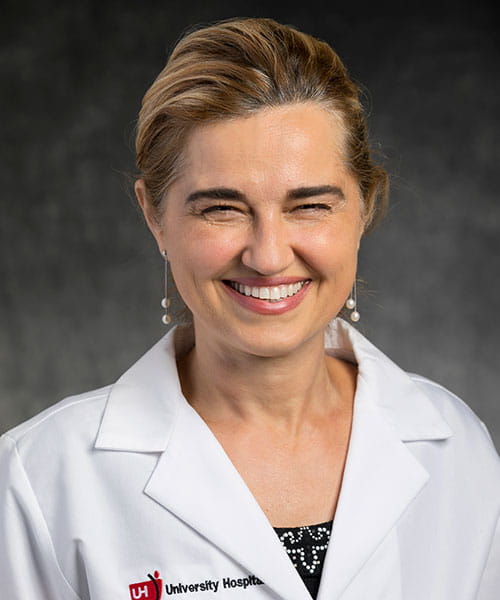 Betul Hatipoglu, MD
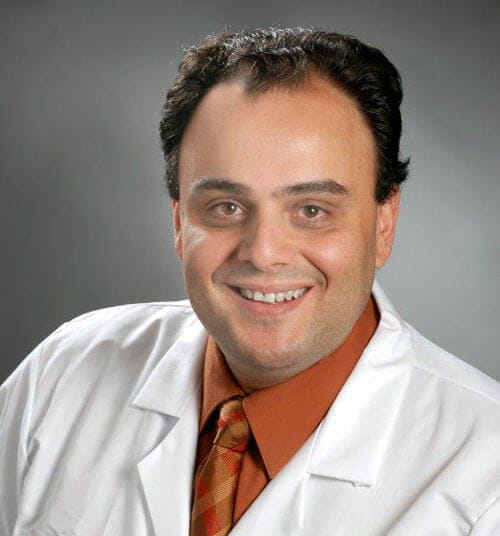 Pierre Gholam, MD
 Brandi Dobbs, CNP
“Hepatic disease associated with metabolic dysfunction begins with a buildup of fat that can lead to inflammation and scarring,” says Betul Hatipoglu, MD, Chief of Endocrinology and the Mary B. Lee Chair in Adult Endocrinology at University Hospitals Cleveland Medical Center and Medical Director of the University Hospitals Diabetes & Metabolic Care Center; Professor at Case Western Reserve University School of Medicine. “Thirty years ago, we could not have imagined how much the liver would be targeted by insulin resistance, dyslipidemia, hypertension and high glucose, but it is a complication that has become increasingly common.”
Formerly known as non-alcoholic fatty liver disease (NAFLD), MASLD is now the most common chronic liver condition worldwide. “We think that MASLD affects between a quarter and a third of all Americans — between 90 million on the low end and over 110 million on the high end,” says Pierre Gholam, MD, a Hepatologist at University Hospitals and a Professor at the School of Medicine. “Approximately eight percent of these patients develop MASH and are at higher risk over their lifetime for complications, including cirrhosis, liver cancer and the need for liver transplantation.”
Adding to the challenge of treating an increasing number of MASLD and MASH patients is a decline in the number of practicing hepatologists. According to the American Association for the Study of Liver Diseases, the hepatology workforce shortage is expected to worsen over the next decade. “We are the smallest subspecialty in medicine, so we are going to have to lean on other specialists, including endocrinologists, gastroenterologists and primary care doctors, to help address the growing demand,” Dr. Gholam says.
Fortunately, Dr. Gholam and his hepatology colleagues work in partnership with the UH Diabetes & Metabolic Care Center to screen and care for patients with MASLD, MASH and coexisting metabolic disorders.
“We are seeing a lot of overlap between hepatic and metabolic conditions, so collaborating with Dr. Gholam and his nurse practitioner, Ashley Hepner, helps patients progress more quickly,” says Brandi Dobbs, CNP, an Endocrinology Nurse Practitioner with the UH Diabetes & Metabolic Care Center. “Having a direct relationship and ongoing communication creates a mutual space for diagnosis, addressing risk factors and providing effective disease management.”
MASLD and MASH Screening
“Aggressive management is very important because by the time liver cirrhosis reaches end-stage, it is too late,” says Dr. Hatipoglu. “We are fortunate to have interventions and medications that show promise in slowing or reversing liver damage, but it is important for individuals with elevated liver enzymes to talk to their doctors to see if there is more they could be doing to improve liver function.”
Diagnosis of MASLD and MASH typically begins with a primary assessment. “There are two levels of screening, and the first comes in the form of a readily available blood test called the Fibrosis-4 that provides an initial assessment of whether a patient is at risk for scarring,” says Dr. Gholam. The non-invasive FIB-4 test generates a fibrosis risk score based on the patient’s age, two common liver enzymes (AST and ALT) and platelet count. A score of 1.30-2.67 warrants further assessment, and a score greater than 2.67 indicates a high probability of advanced fibrosis.
“There is also a proprietary blood test called enhanced liver fibrosis, or ELF, available through our lab and many others to assess liver scarring,” Dr. Gholam says. “Those two tests, in series or in parallel, will give a much more accurate indication of whether the patient is at risk for MASLD or MASH.”
If bloodwork is concerning, an advanced imaging test called vibration-controlled transient elastography (VCTE) can be performed, typically in a specialized setting such as hepatology, endocrinology or gastroenterology. FibroScan®, the VCTE technology used at University Hospitals, generates a liver stiffness measurement for fibrosis staging and a measurement of fatty liver (steatosis). Liver biopsy or spleen imaging may also be indicated.
Therapeutic and Lifestyle Management
“If there is liver scarring, we obviously want to follow these patients closely to hopefully slow progression,” Dobbs says. “From an endocrine standpoint, we work to help patients shift their approach to diet and lifestyle choices.”
In her diabetes and weight management groups, Dobbs recommends a Mediterranean diet that prioritizes high-fiber, low-saturated-fat foods and avoids alcohol, simple carbohydrates and highly processed foods.
“The guidelines for both metabolic dysfunction and MASLD or MASH are nutrition changes and a focus on a healthy lifestyle,” she says. “We provide patients with intensive nutrition and exercise counseling, which has been a very helpful approach for improving metabolic and liver health.”
Some pharmaceutical treatments have received U.S. Food and Drug Administration (FDA) approval for adult patients diagnosed with MASH and moderate-to-advanced fibrosis.
- Rezdiffra (resmetirom) received FDA approval in March 2024. The daily oral pill acts as a thyroid hormone receptor-beta agonist to reduce liver fat accumulation.
- Wegovy (semaglutide) received FDA approval in August 2025. In addition to treating MASH, the GLP-1 receptor is indicated for weight loss and reducing cardiovascular risk.
Clinical trials may also be available to University Hospital patients diagnosed with MASH.
Currently, no medications are approved for patients with MASLD or for those with liver cirrhosis. Not every individual responds to treatment, so it is essential to focus on diet and exercise to reduce the risk of disease progression.
Looking Ahead
“We have a number of collaborative efforts with the UH Diabetes & Metabolic Care Institute, and we are working to make devices that measure liver scarring available onsite to reach more patients in need,” Dr. Gholam says. “Hopefully, the future is bright as stakeholders, including diabetes and obesity medicine doctors, primary care doctors and surgeons, come together to better identify and treat patients on a population-wide level.”