


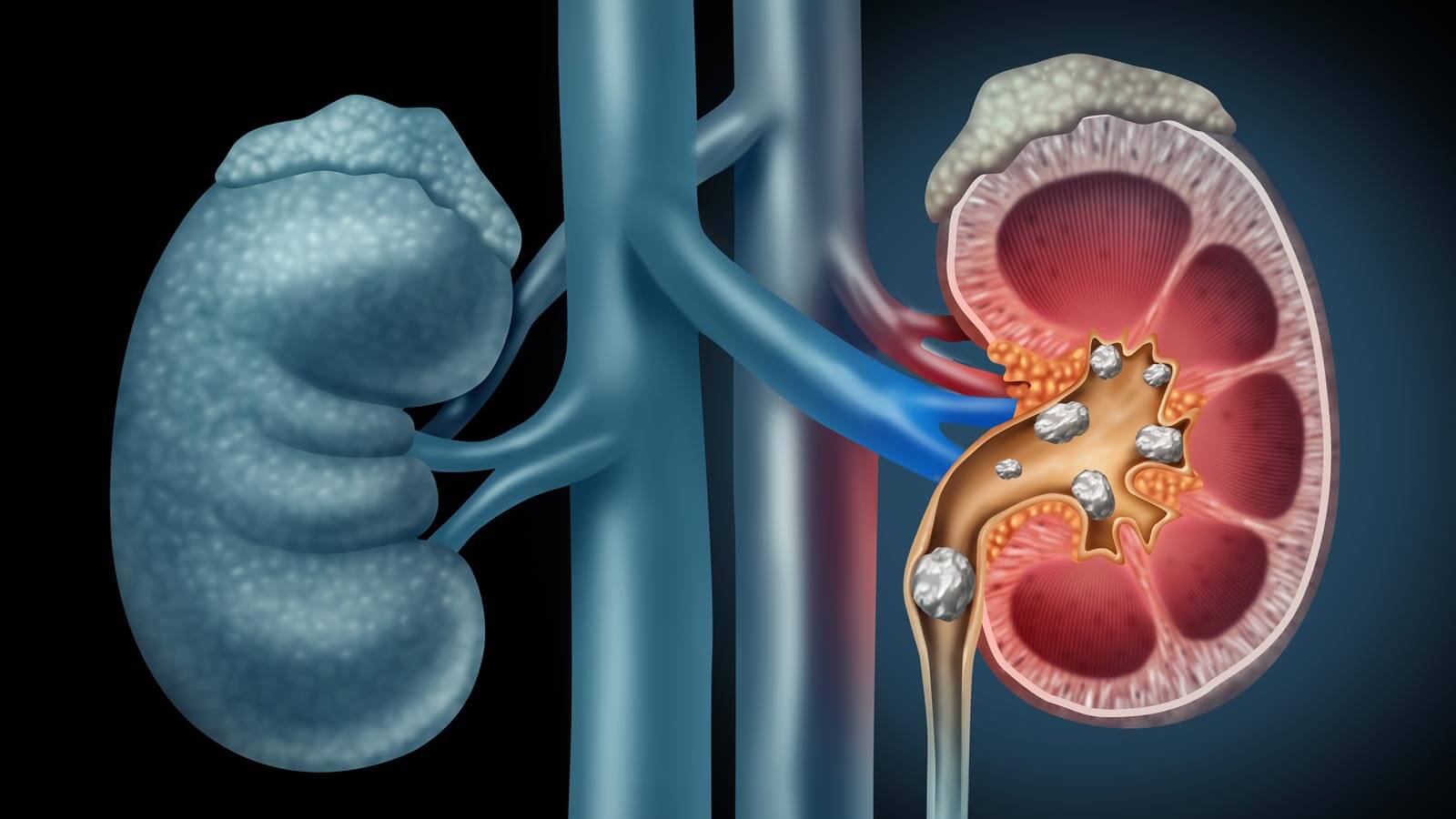
Kidney Stone Disease Research
Kidney stone disease represents one of the most common conditions managed in endourology. Our research program evaluates emerging laser platforms, medical expulsive therapies and infection patterns in stone disease. The goal is to advance minimally invasive care, refine treatment selection and improve patient outcomes through rigorous clinical and translational investigation.
TFL vs Moses 2.0 for Kidney Stone Treatment
Advances in laser technology have transformed stone ablation. Two next-generation systems have demonstrated strong performance characteristics.
- The Soltive SuperPulsed Laser System (Olympus) uses a thulium fiber laser (TFL) with very high firing frequency, small-caliber fibers, a higher absorption coefficient and improved portability.
- The Moses 2.0 Holmium Laser System (Lumenis) delivers higher peak power with a pulse modulation technology designed specifically for stone fragmentation.
Although both systems appear effective, there is limited prospective comparative data. Our study evaluates the difference in stone ablation time between TFL and Moses 2.0 to support evidence-based platform selection.
In-Vitro Study Using a Kidney Model
Urinary tract infections are common among patients with stones, particularly in the presence of urinary foreign bodies or biofilm formation. These patients often harbor multiple bacterial strains, and organism profiles can shift over time.
Previous work in non-urologic populations shows that the concordance between sequential positive urine cultures decreases as the interval between cultures increases. Our study evaluates how well prior urine cultures predict organism identity and susceptibility in urologic patients. This work may help guide empiric antibiotic selection before endourologic intervention.
Randomized Prospective Study: Tamsulosin 0.4 mg vs 0.8 mg for Ureteric Stones
Medical expulsive therapy with alpha-blockers is commonly used in the initial management of ureteral stones. While earlier systematic reviews suggested benefit primarily for larger stones, more recent large trials have reported limited or no advantage.
Although tamsulosin 0.8 mg is known to improve LUTS more effectively than 0.4 mg in BPH, the impact of the higher dose on ureteral stone passage has not been studied. Our randomized prospective study compares the stone passage rate of tamsulosin 0.8 mg vs placebo for ureteral calculi to determine whether dosing adjustments influence clinical outcomes.