


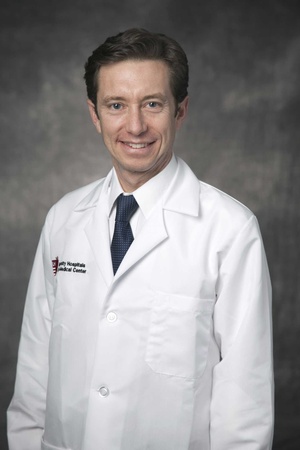
Jonathan Stamler, MD
-
Specialty: Cardiology
View Expertise - Languages Spoken: English, Hebrew
Biography: Jonathan Stamler, MD
Expertise
Titles
- President, Harrington Discovery Institute, University Hospitals
- Director, Institute for Transformative Molecular Medicine, University Hospitals
- Director, Institute for Transformative Molecular Medicine, UH Cleveland Medical Center
- President, Harrington Discovery Institute, UH Cleveland Medical Center
- Professor, CWRU School of Medicine
- Robert S. and Sylvia K. Reitman Family Foundation Distinguished Chair in Cardiovascular Innovation, University Hospitals
Certifications & Memberships
- Internal Medicine - American Board of Internal Medicine
Education
Fellowship | Cardiovascular Disease
Cardiovascular Disease - Brigham And Women's Hospital (1989 - 1993)
Fellowship | Pulmonary Disease
Pulmonary Disease - Brigham And Women's Hospital (1988 - 1989)
Residency | Internal Medicine
Internal Medicine - Brigham And Women's Hospital (1986 - 1988)
Internship | Internal Medicine
Internal Medicine - Brigham And Women's Hospital (1985 - 1986)
Medical Education
Icahn School Of Medicine At Mount Sinai (1985)
Undergraduate
Brandeis University (1981)
Related Blog Articles

How Nitric Oxide Fuels Your Health
Nitric oxide is a naturally occurring molecule in the body that plays an important role in blood circulation and overall health.

The Best Dementia Prevention? A Workout for Your Brain
Just 30 minutes of exercise five times a week helps lower the risk of dementia. The trick is knowing which kind of exercise will provide the most benefits.

New Research Holds Promise for Alzheimer’s Disease
Ongoing Alzheimer’s research is attacking the disease in novel ways, with some early successes that show promise for the future of treating this disease.